Here’s a great story!
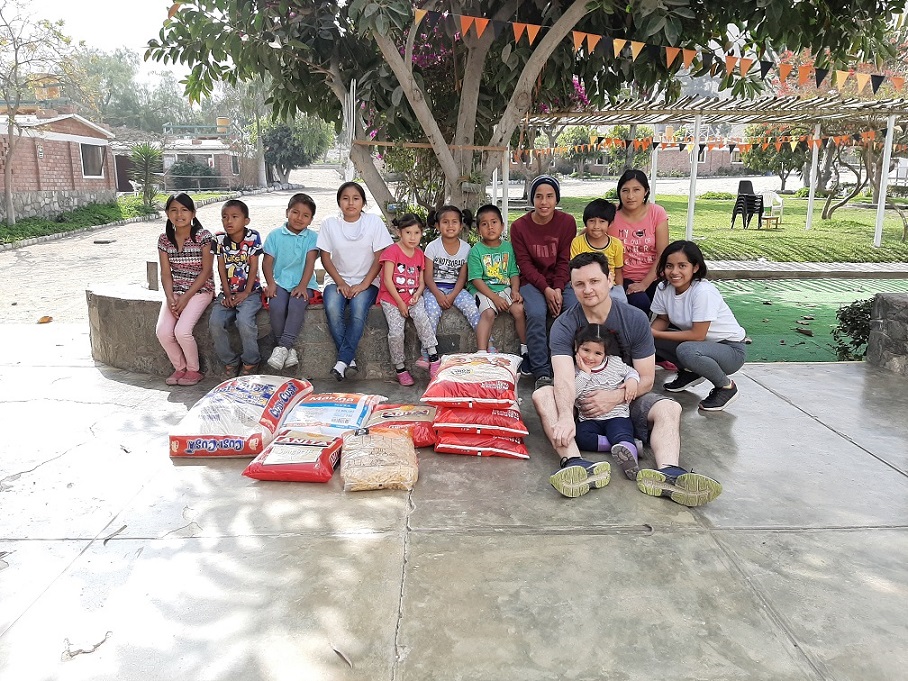
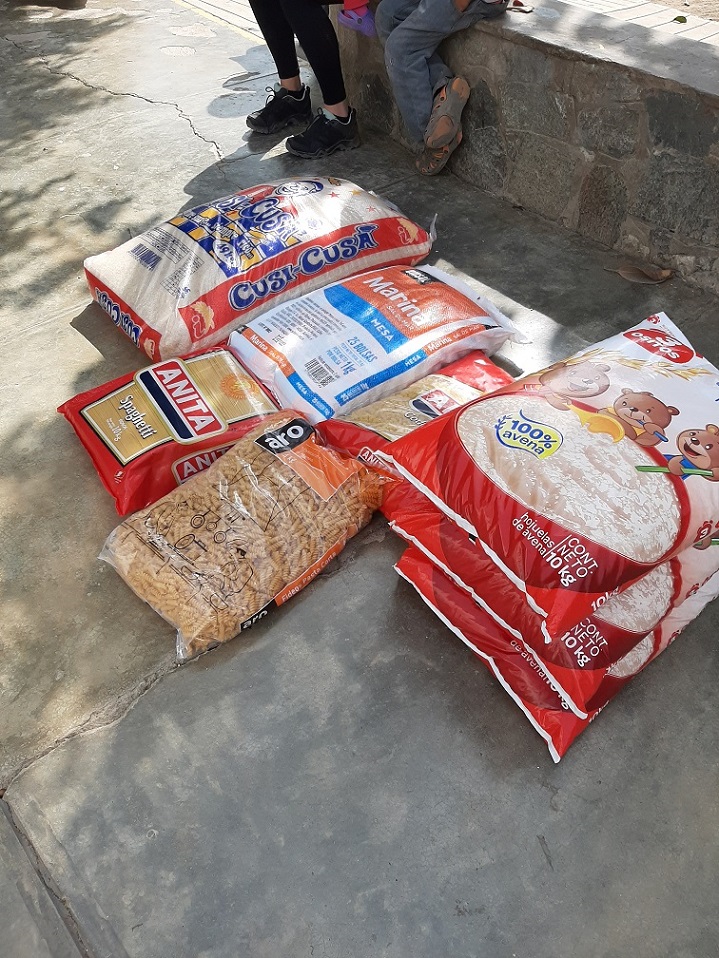
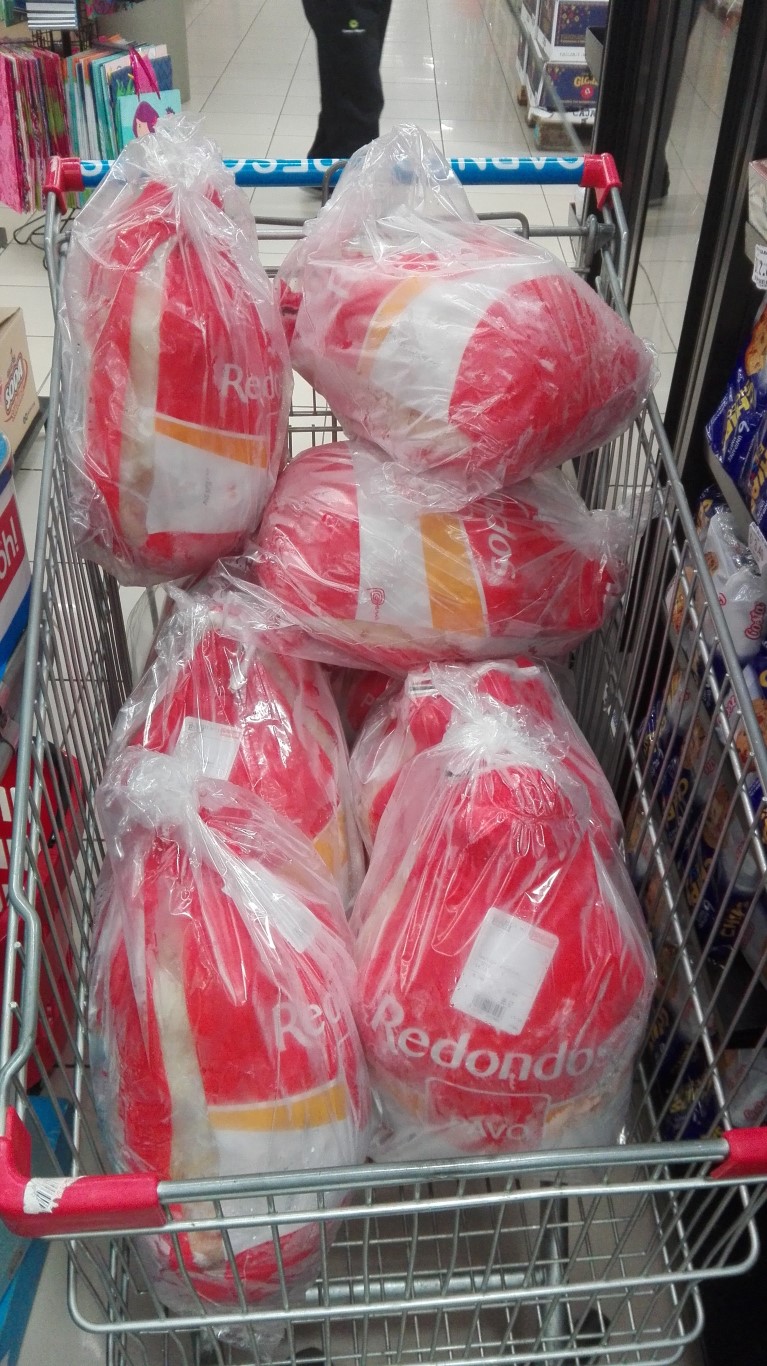
Connie C.K. is a Peruvian who now lives in Maryland, USA and runs CLCP Early Learning. For her son’s birthday she collected donations for Westfalia Orphanage instead of birthday presents and raised $335!!
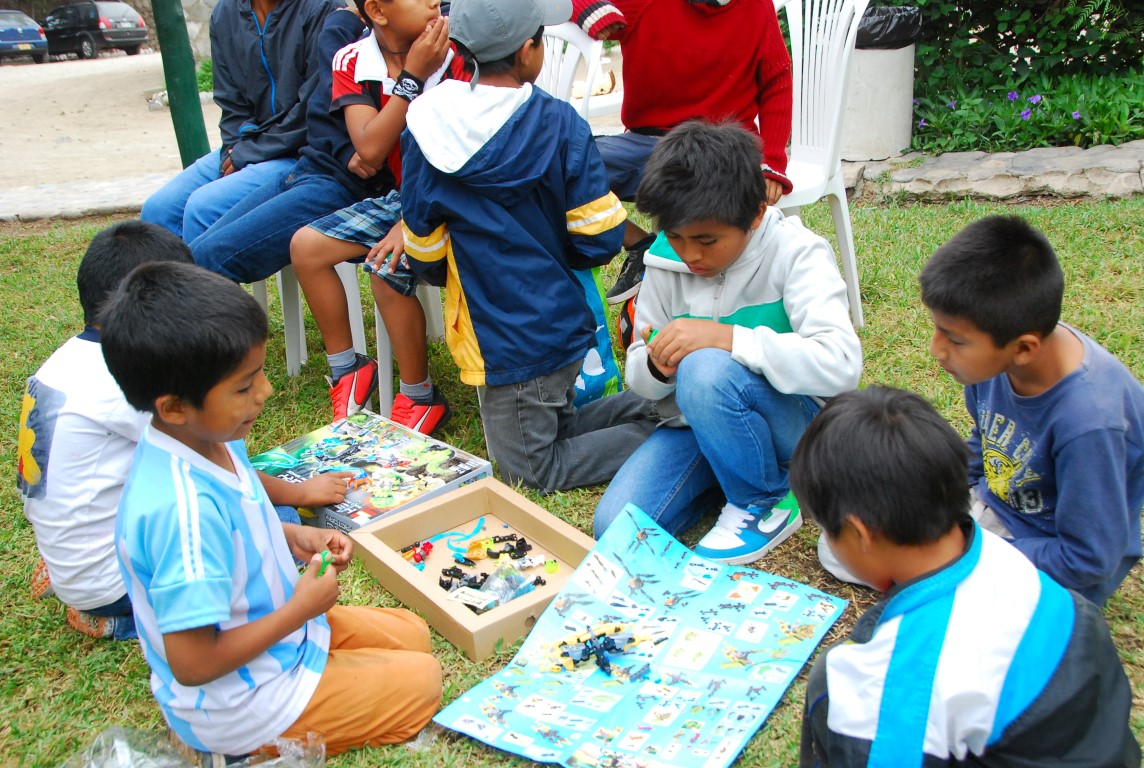
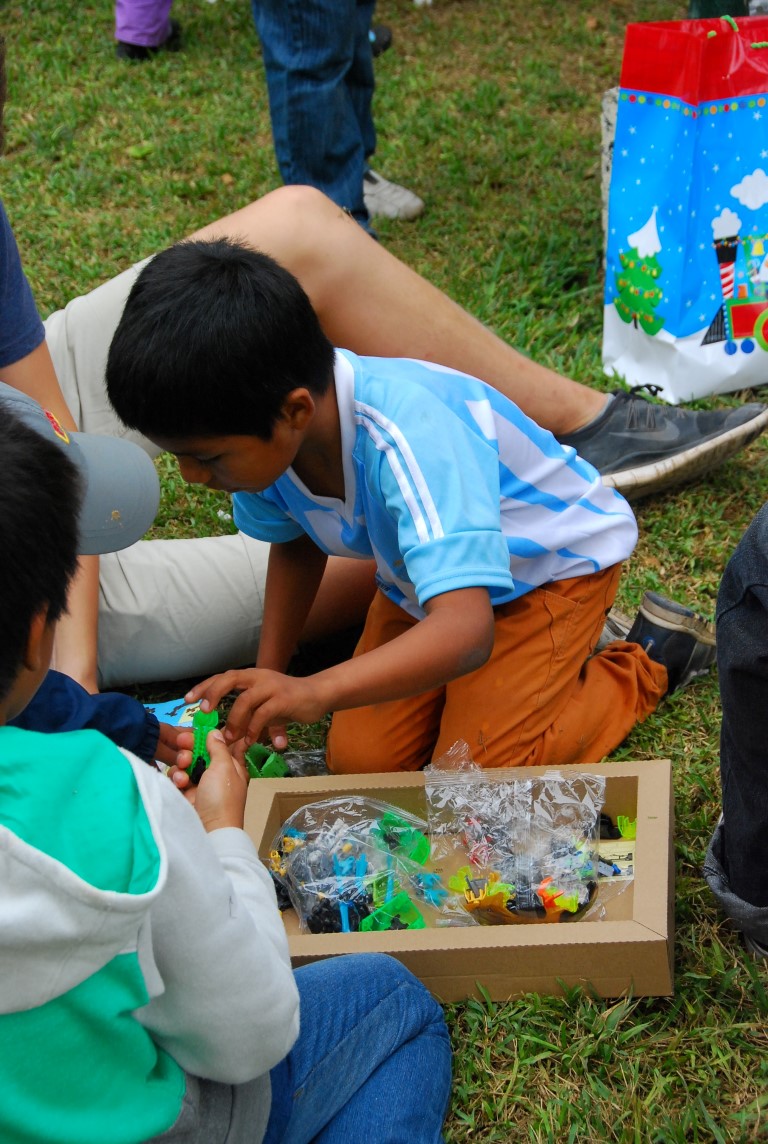
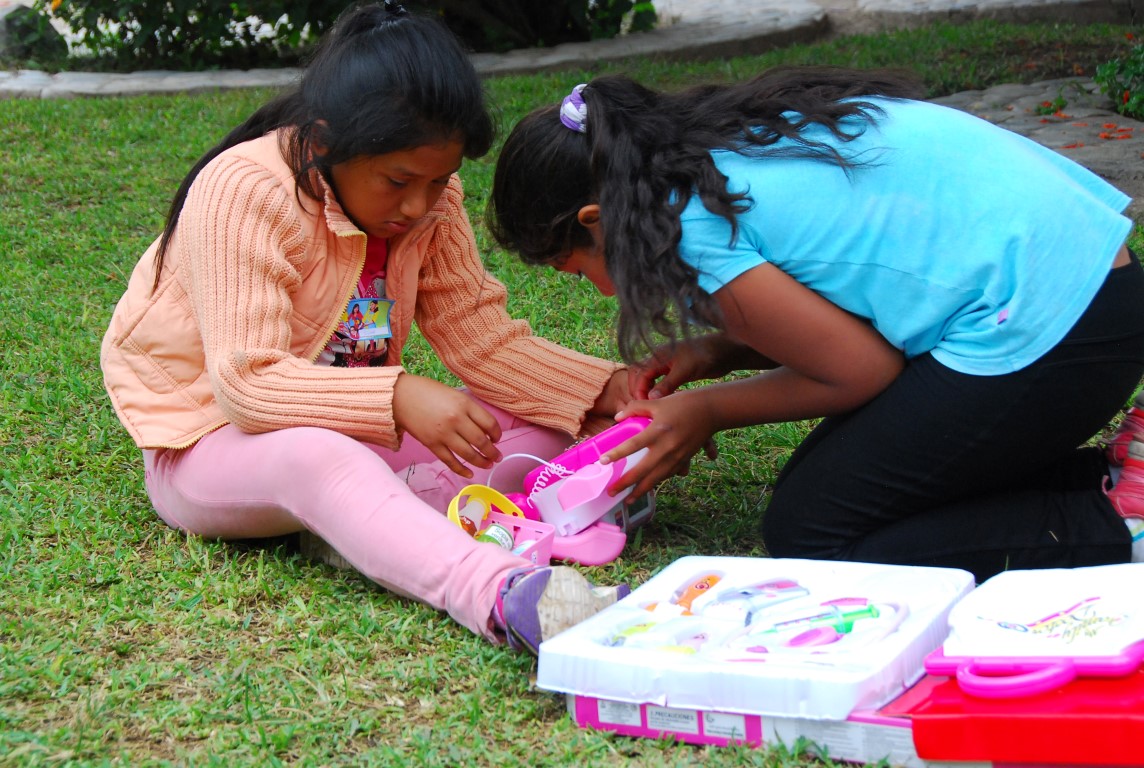
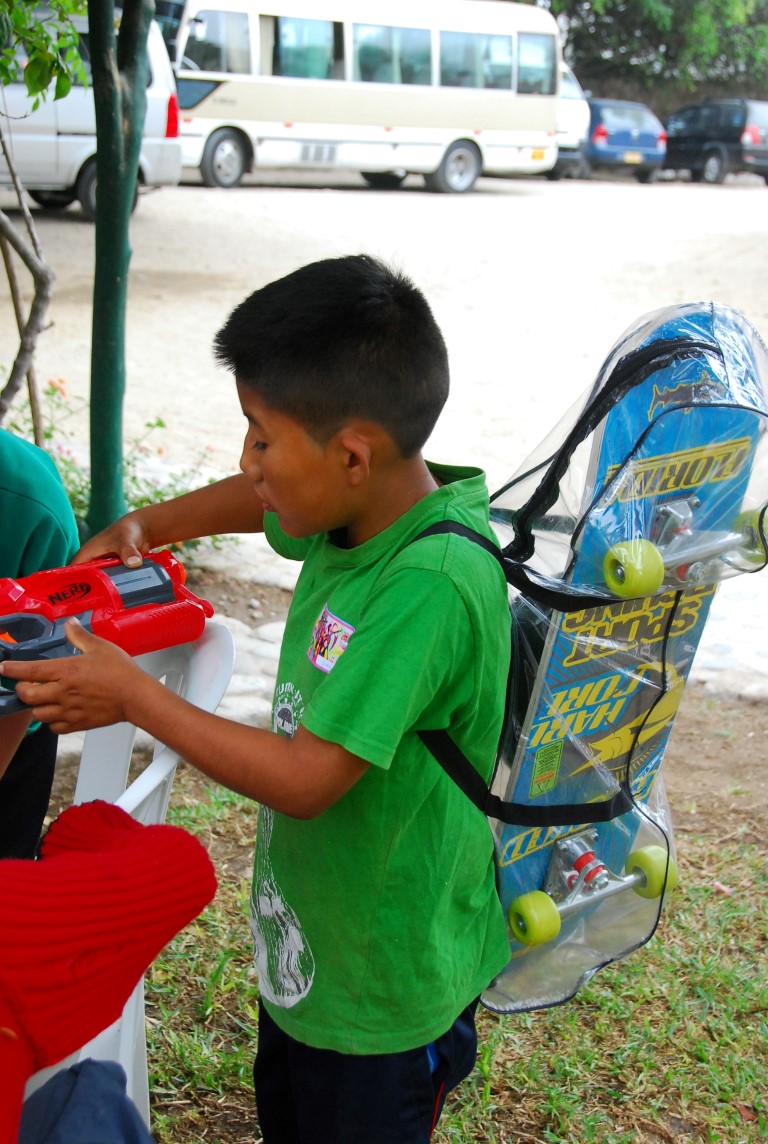
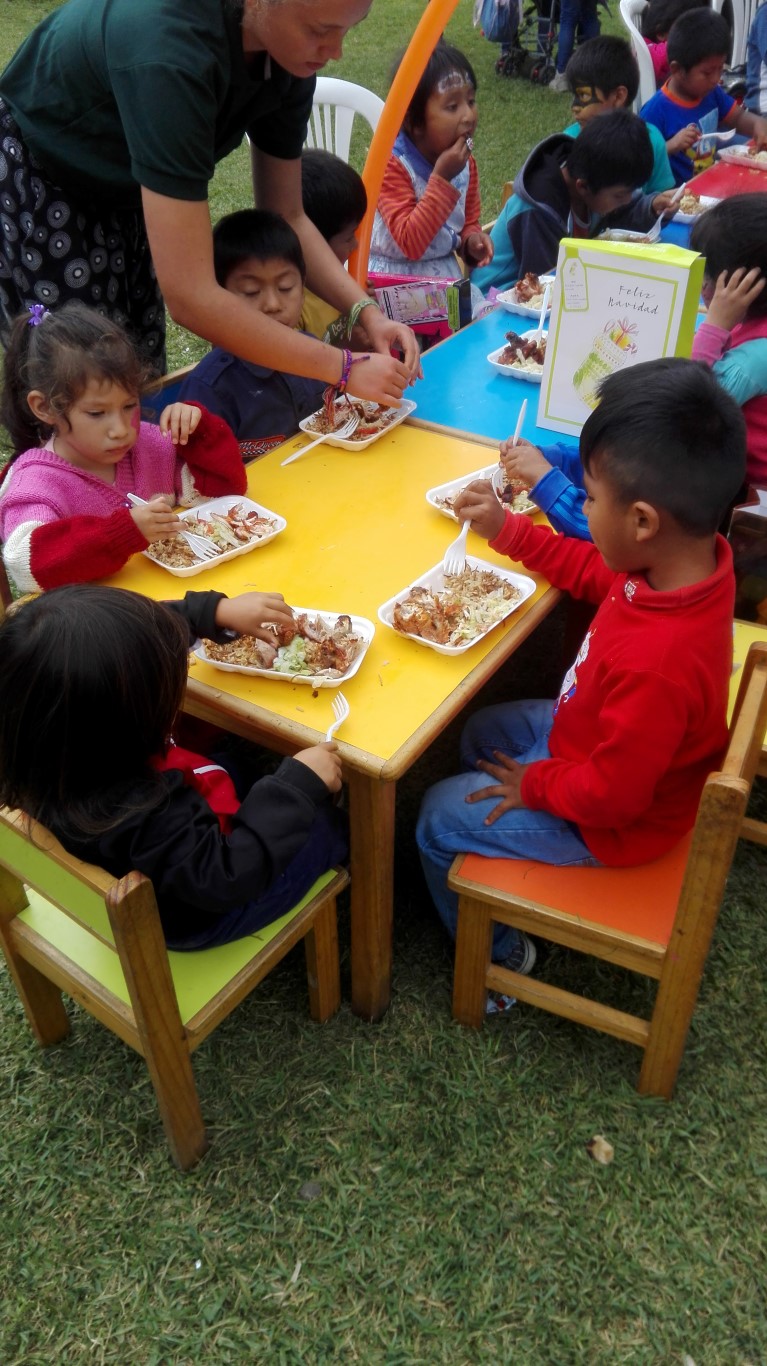
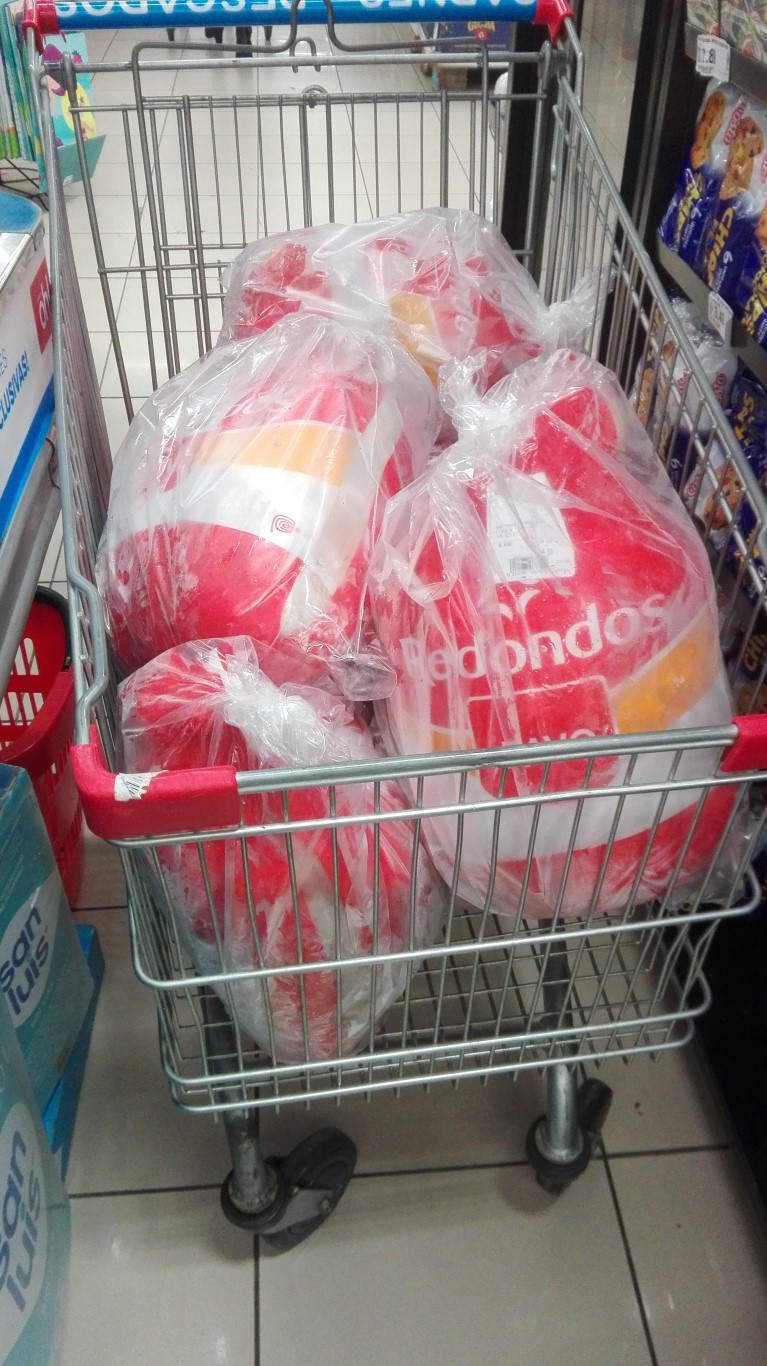
Here are some photos of the first food run. This weekend we’re buying baby supplies!
Thanks again Connie!!
It’s time! Our 9th annual Sonrisasenperu.org Christmas party!
On Saturday, 22 December 2018 we are hosting our 9th annual Sonrisasenperu Christmas party for the 120+ children of Westfalia Orphanage in Peru. We’re looking for a little help to make it happen.
The kids come from broken, abusive homes, abandonment or their families gave them up because they simply don’t have the money to take care of them. These kids don’t have electronics games, bikes, or televisions. They don’t go to the cinema on a Saturday night or enjoy trips away with family. There are 4 or 5 children per room and there are 12-15 children per ‘house’. They live in an orphanage in the mountains of Cieneguilla in the mountains, 2 hours outside of Lima and will be spending Christmas alone, without family. So we want to brighten up their Christmas and help them to experience a happy, loving time.
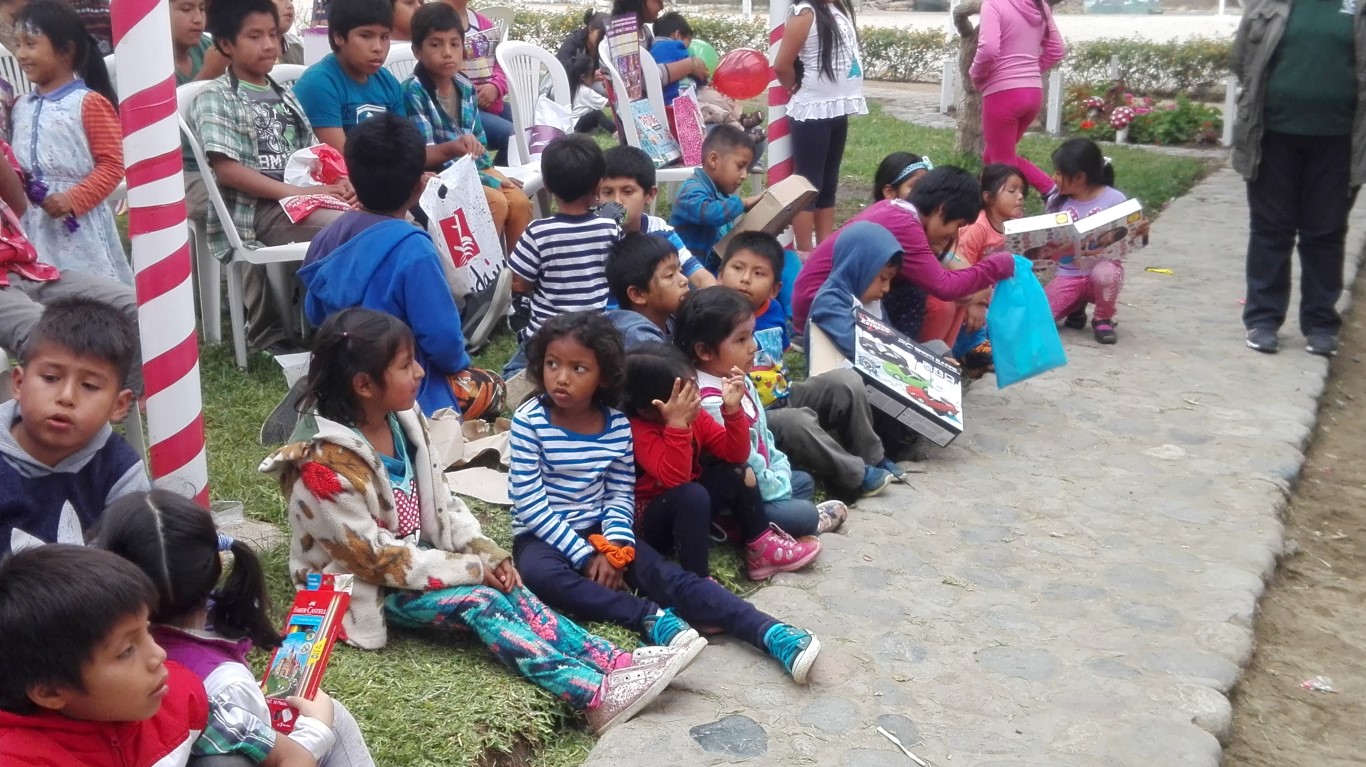
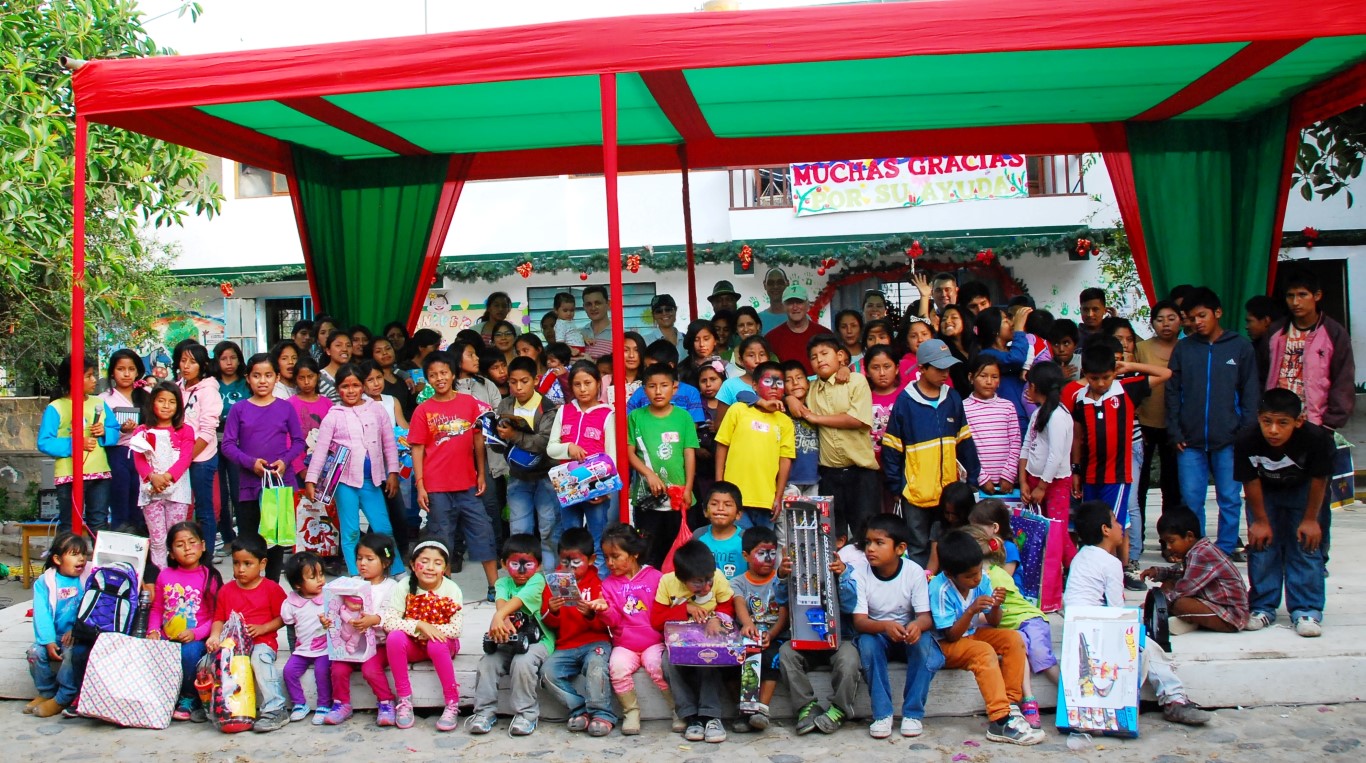
What’s happening?
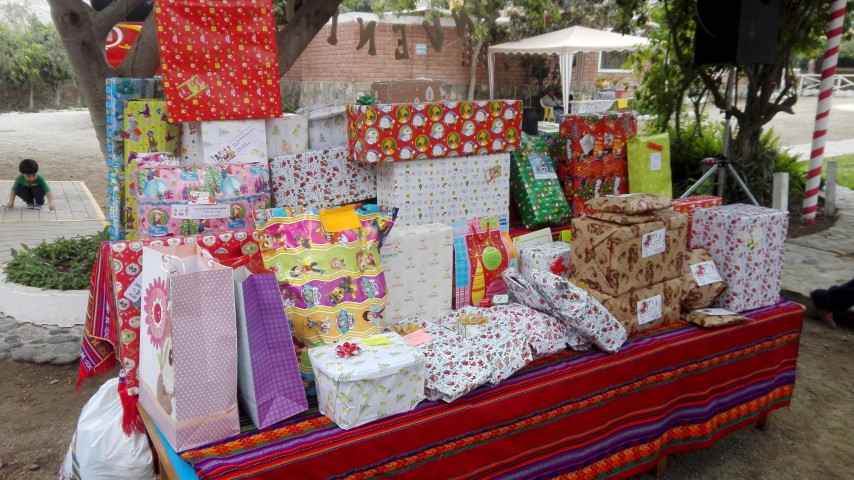
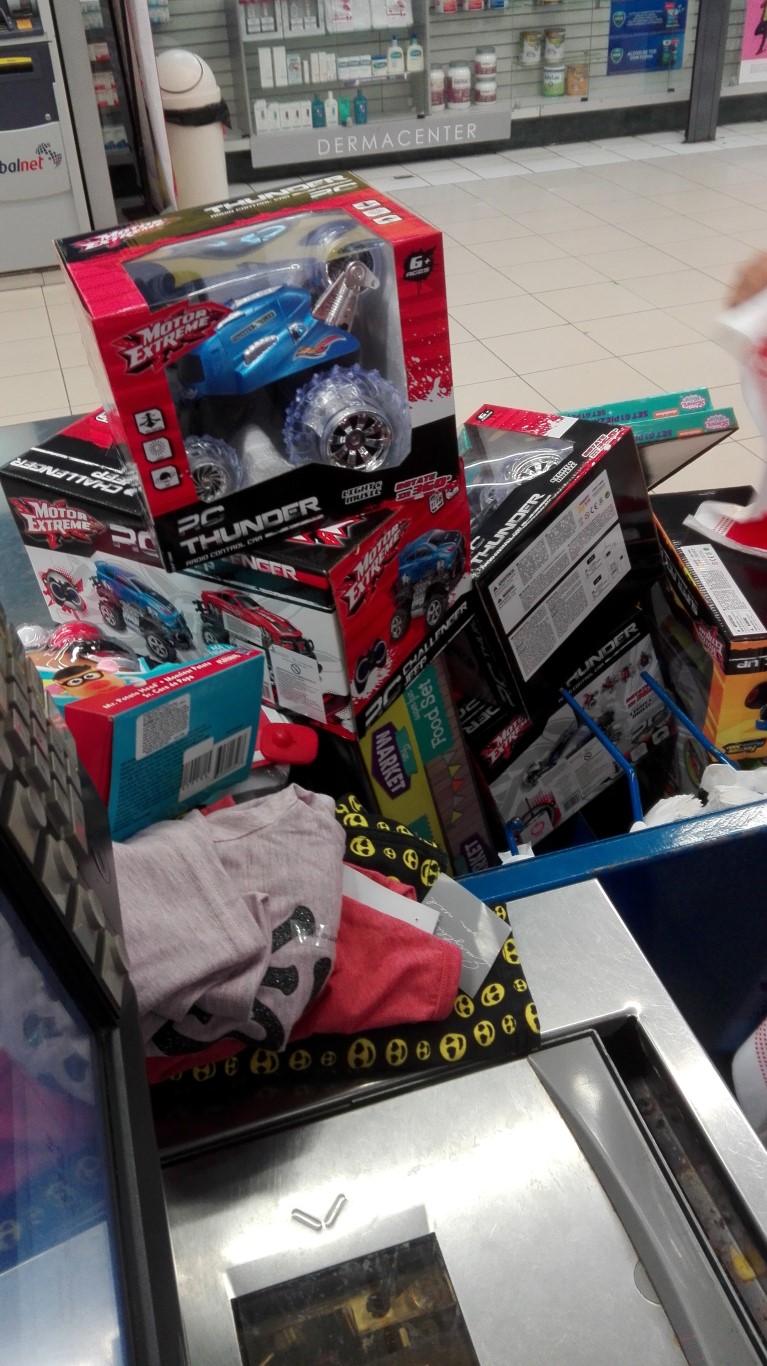
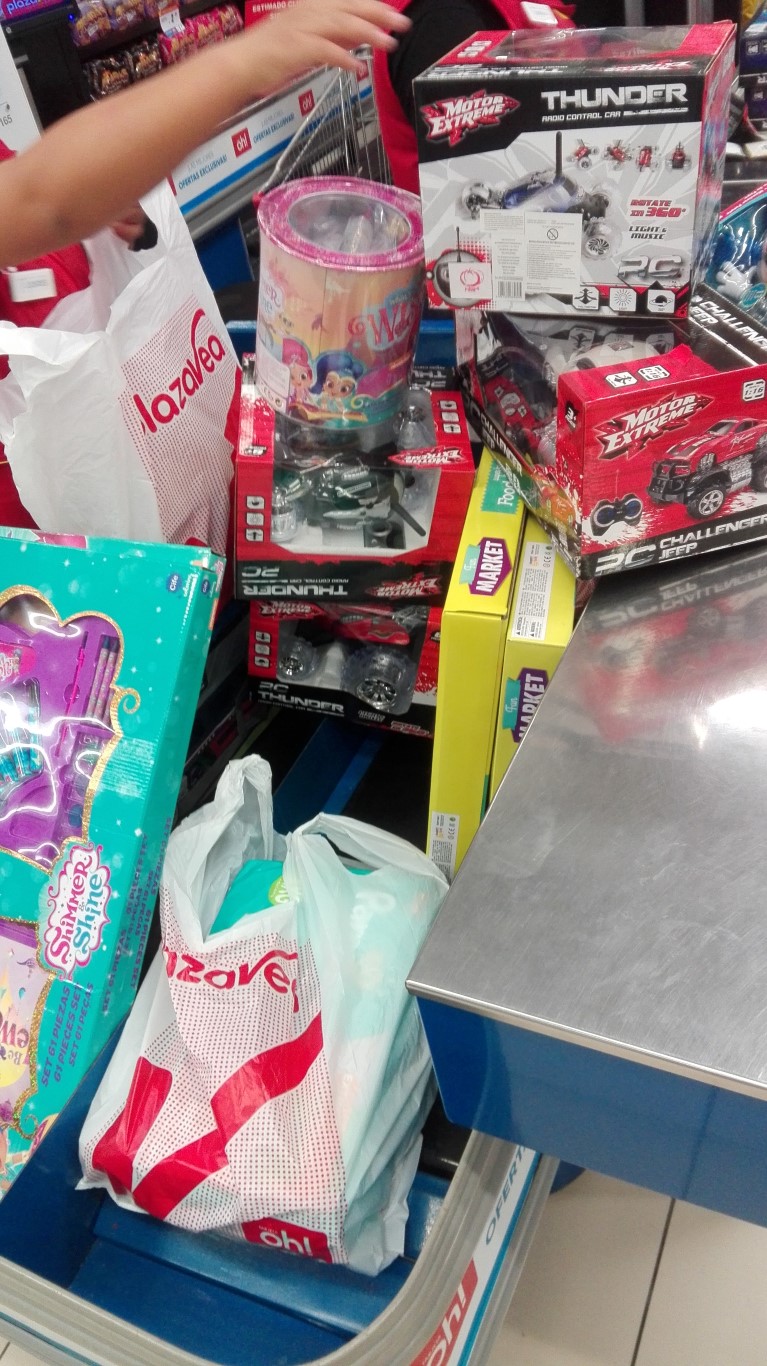
We are aiming to get 2 gifts for each of the 120+ children. We’ll also be providing a traditional turkey lunch, snacks, drinks, and dessert. There will be a live show for the kids which includes singing, dancing, lots of games, competitions, and of course, Santa handing out the gifts! Oh yeah, and we’ll be providing lots of fun!
… BUT we really need your help!

Donations have helped us provide many things for the orphanage over the past 9 years, including a permanent, industrial water filter which cleans river and well-water when the kids were drinking dangerously polluted water which didn’t meet World Health Organisation standards. Your donations helped to renovate one of the childrens’ 25 year old houses to meet new government health and safety requirements. You helped fund a new industrial stove to replace a gas-leaking, 22 year old stove as well as a load of new pots and pans. You’ve helped provide all kinds of classes over the years. You’ve helped replace broken windows and provided shoes, clothes, blankets and literally tonnes of food and essential supplies to the orphanage. But we need your help once again.
If you can help out please send us a donation. We want to make sure these kids get at least one present, a memorable turkey lunch and lots of fun. Like always, any extra funds will go towards food and supplies, clothes, etc. The orphanage’s food stocks are always low over the Christmas break so we also want to buy food provisions such as rice, beans, potatoes, meat, eggs and milk. If you’ve never donated and been a bit hesitant…now is your chance.
If you’re here in Lima, Peru and want to donate a gift or food, please send us an email (‘Contact Us’ at the top of the page). You can also see the 2017 Sonrisasenperu Christmas party here!
Please post this on your Facebook page to help spread the word. We need all the help we can get!
Thanks for helping make a difference 🙂
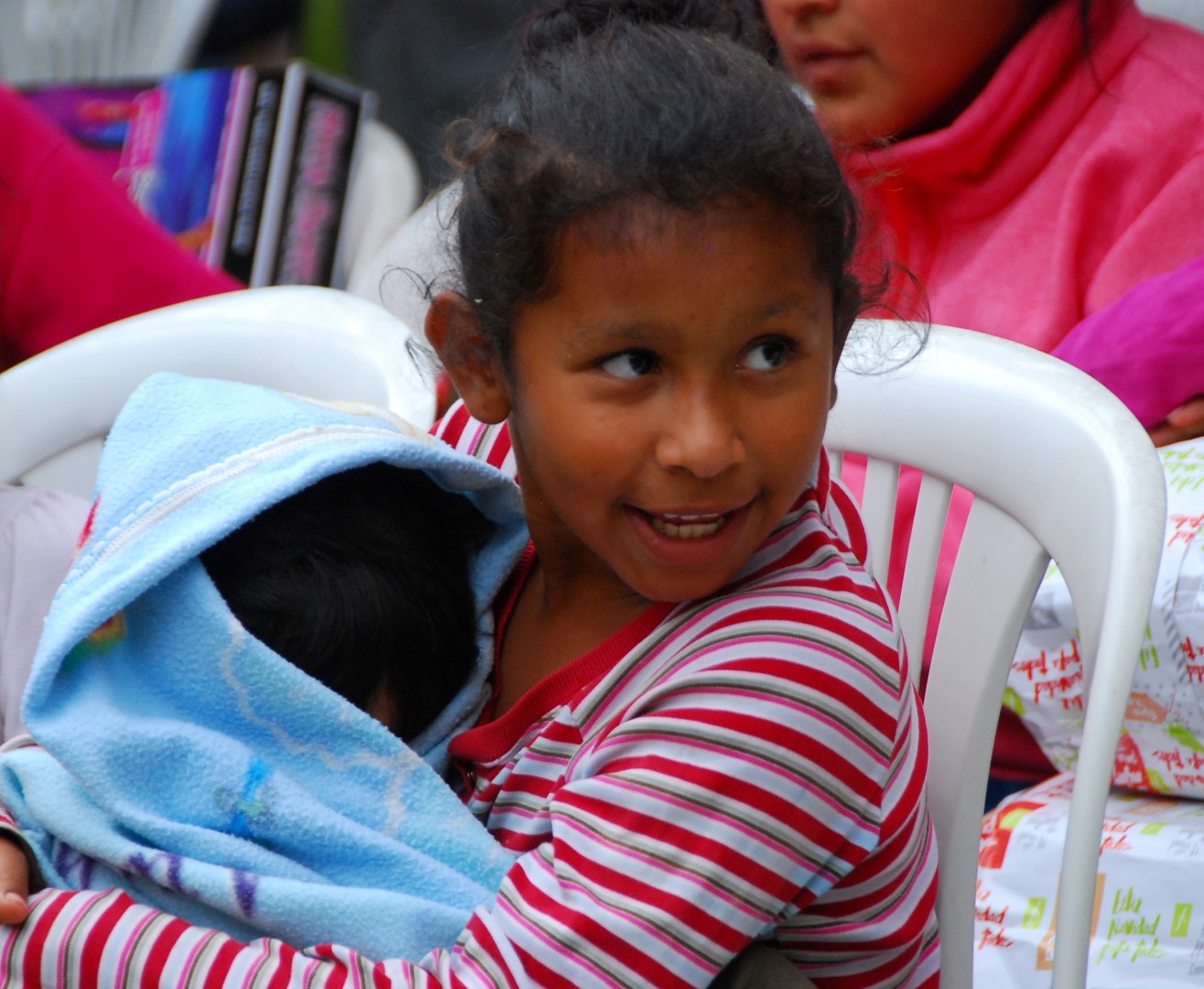
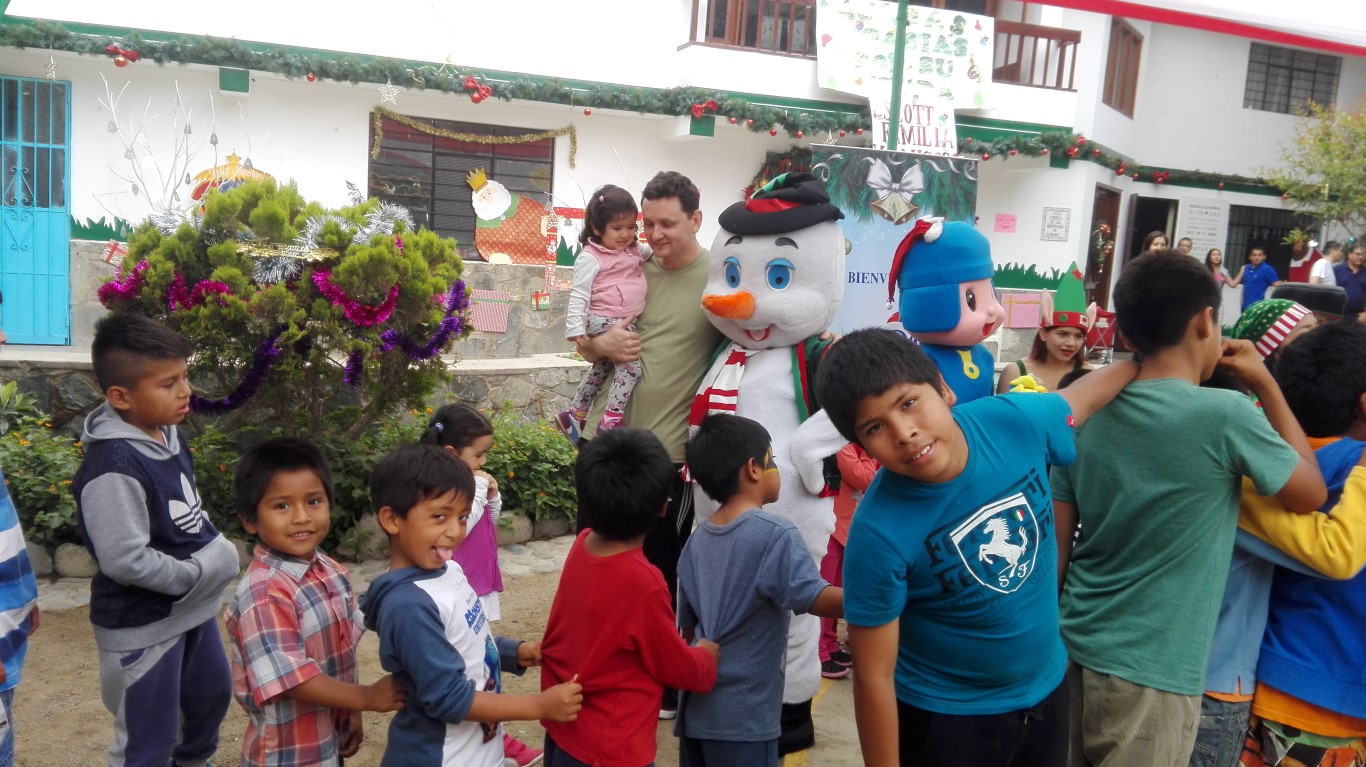
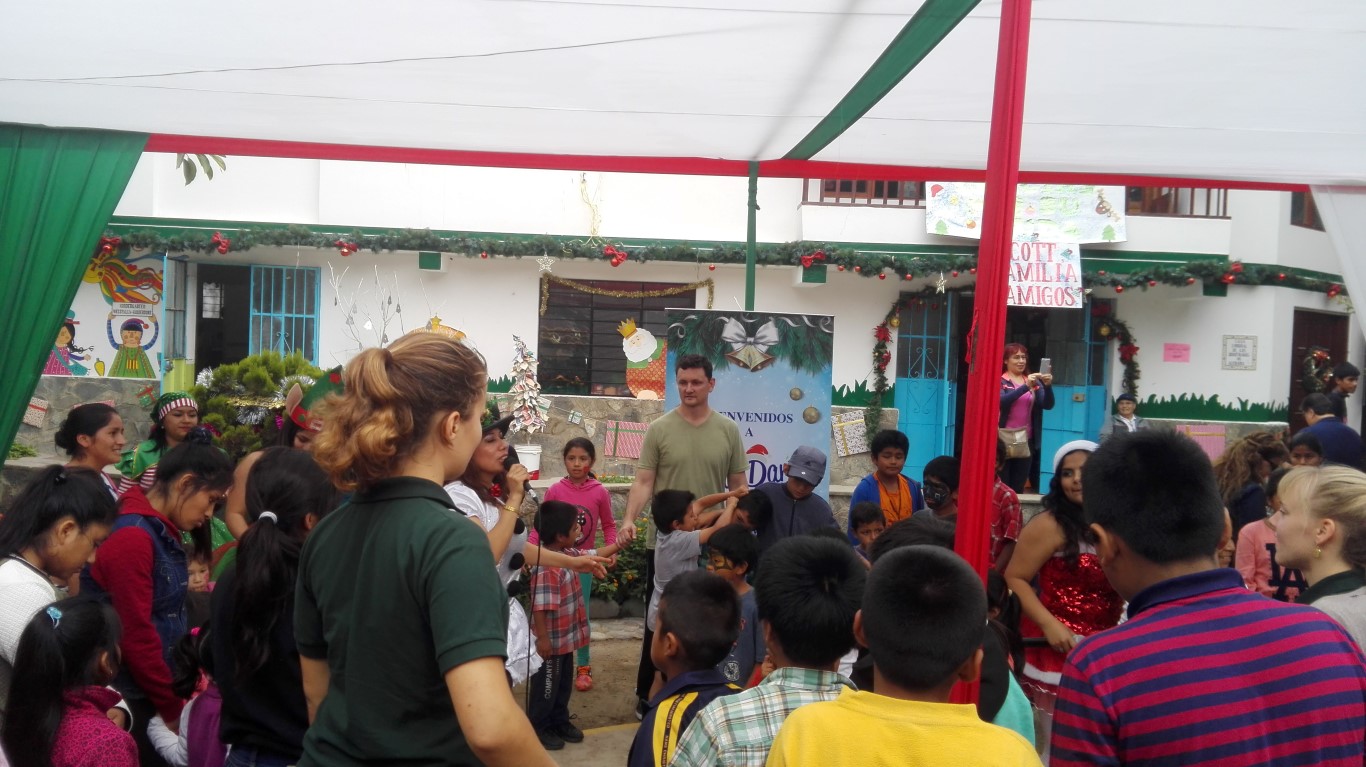
On Saturday December 23, 2017, we hosted the Sonrisasenperu 8th annual Westfalia Orphanage Christmas Party. It’s a very special day to show the 120+ orphans that they are loved and cared for. They get a chance to feel like regular children and enjoy Christmas. These are the same kids who don’t have individual birthday parties, but have a ‘monthly’ party with all the kids whose birthdays fall in that month. So it is always a really big deal for them. As always a really big thanks to everybody who contributed through donations, gifts, food, or their time. It was an amazing day only made possible with help from you guys!
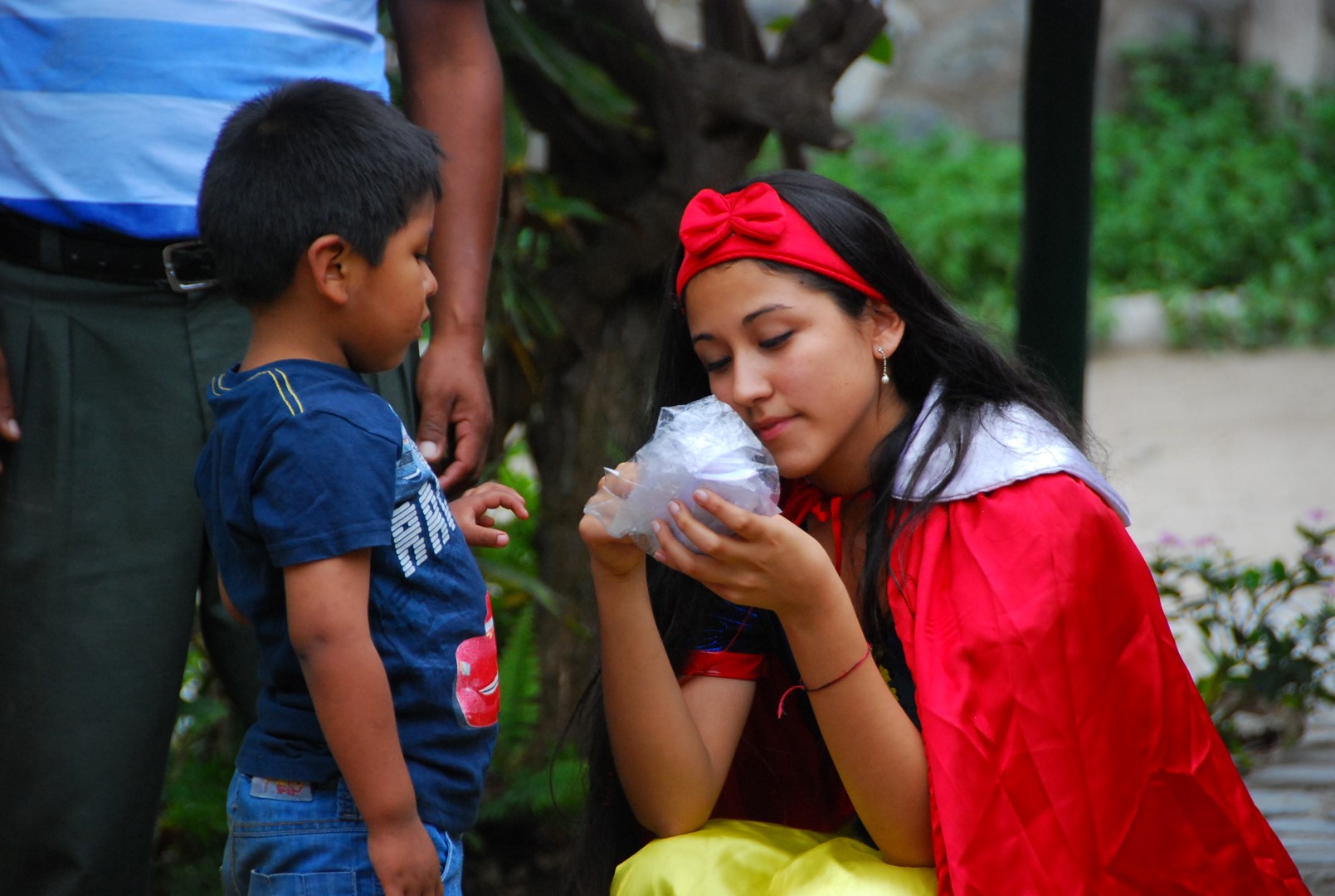
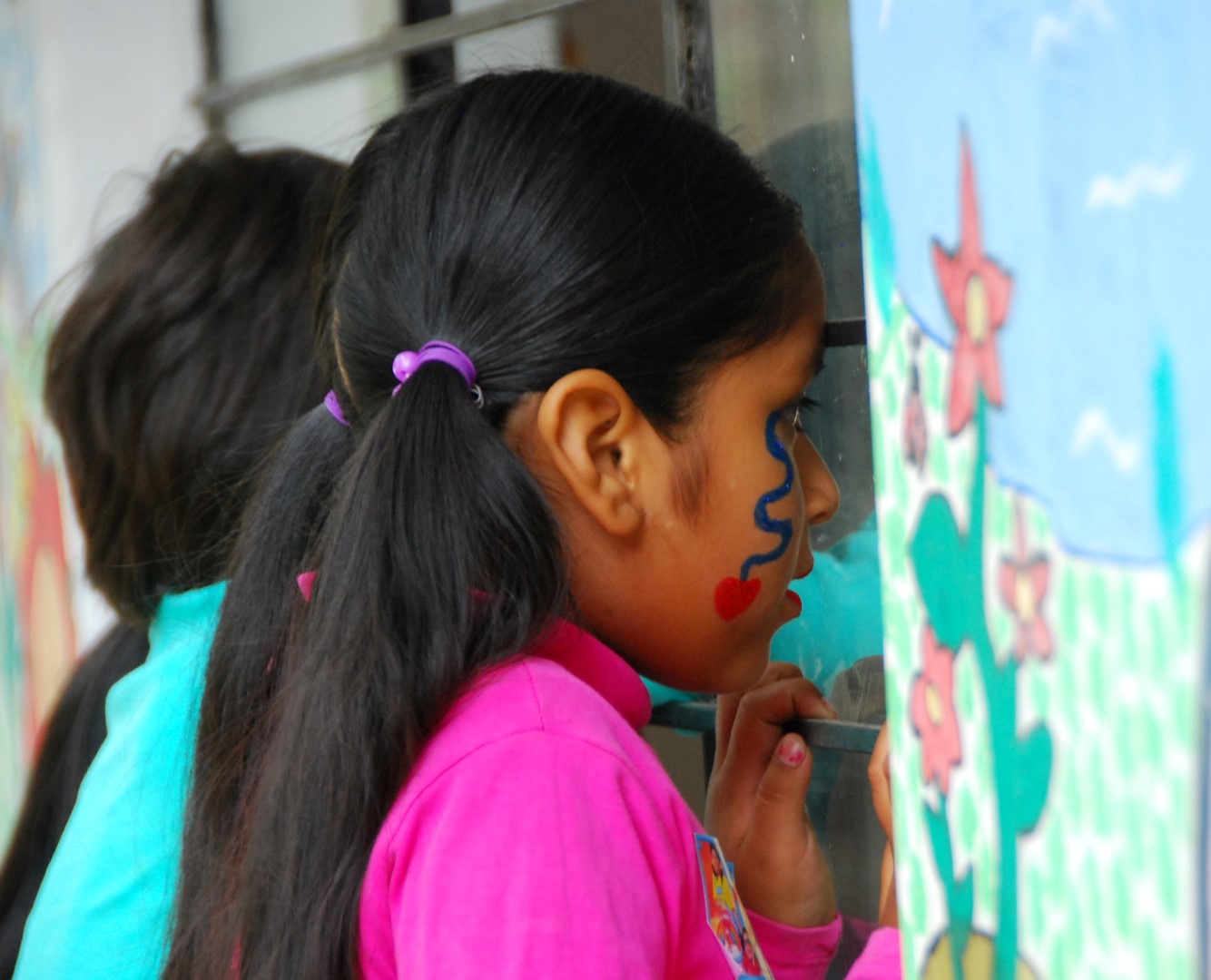
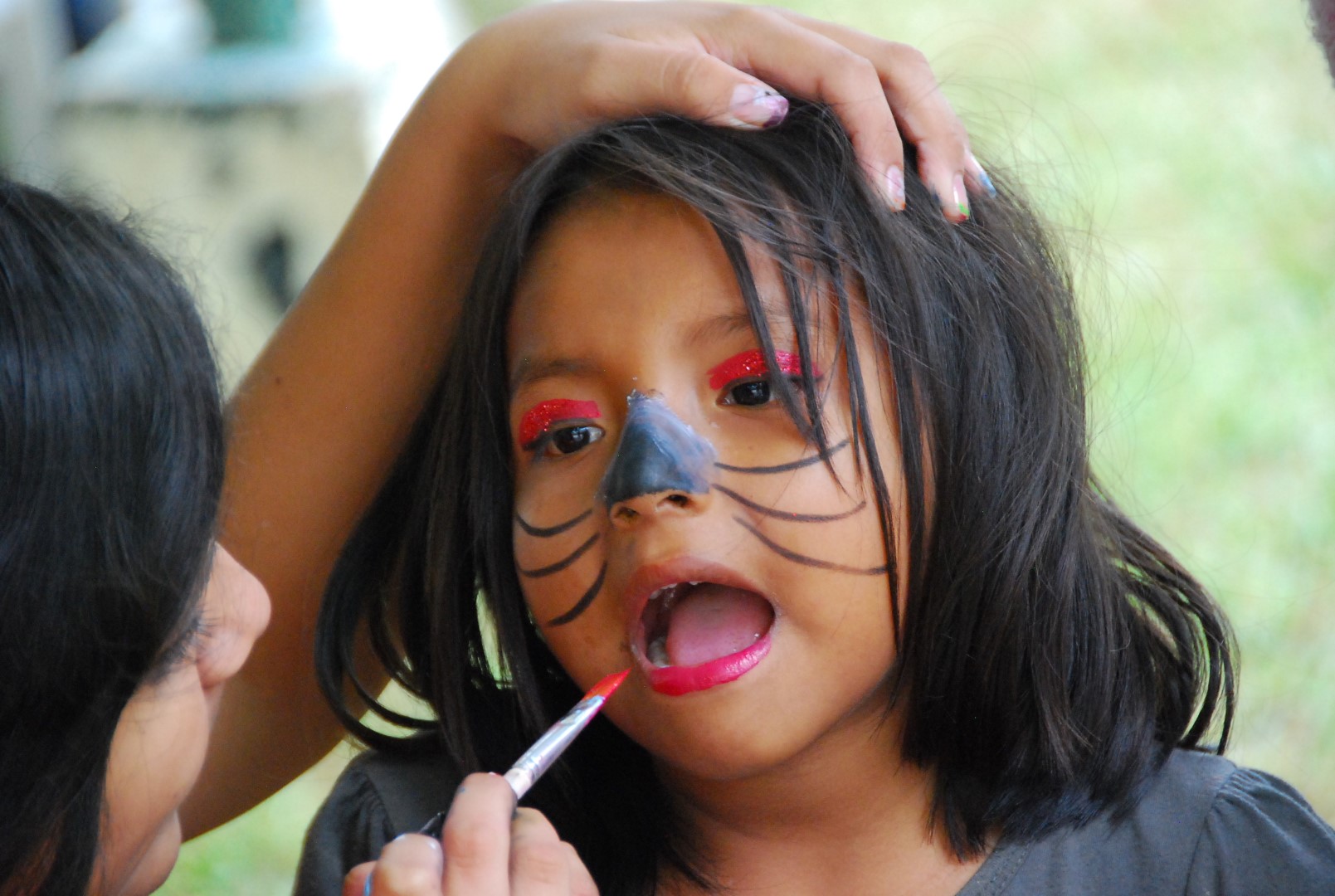
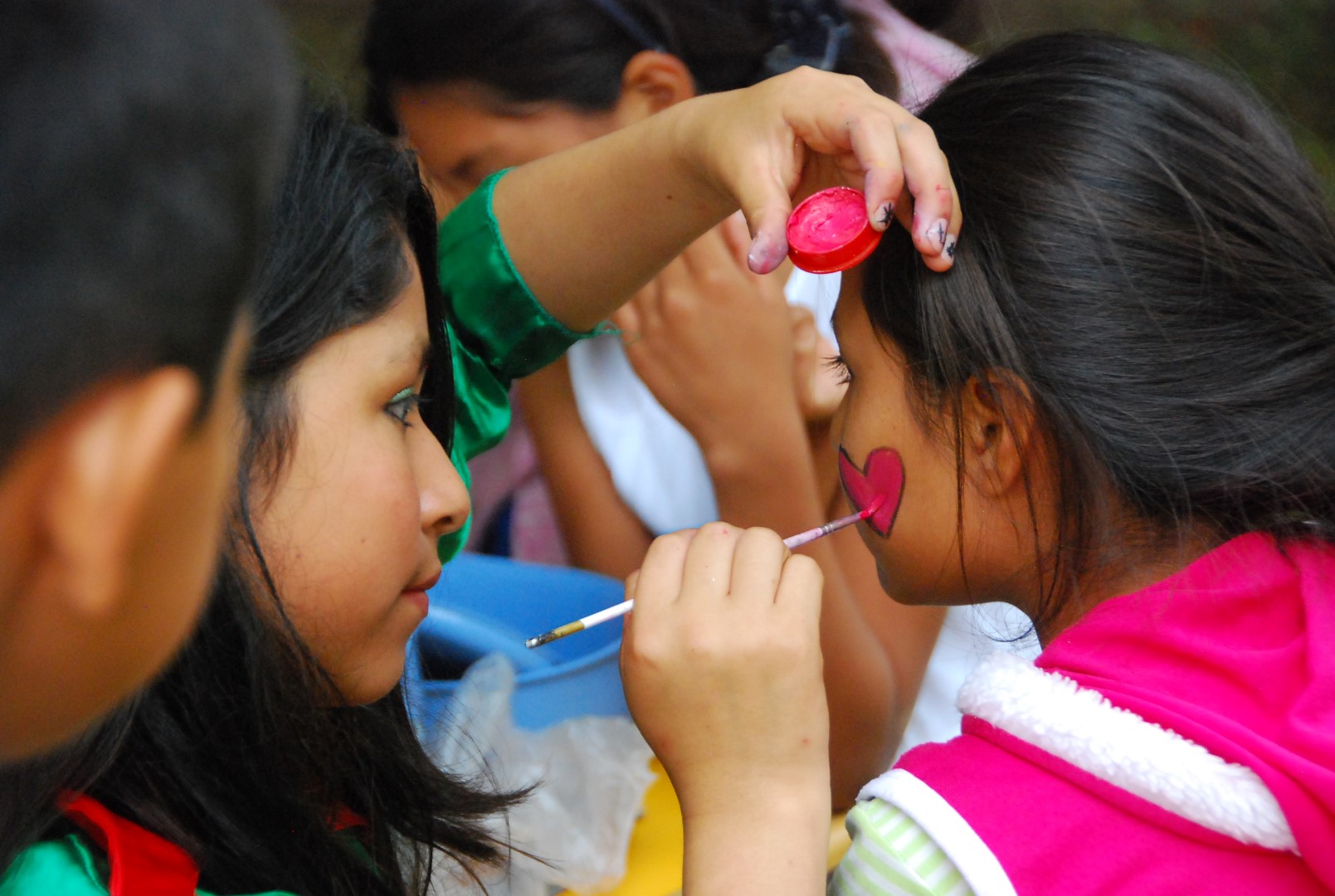
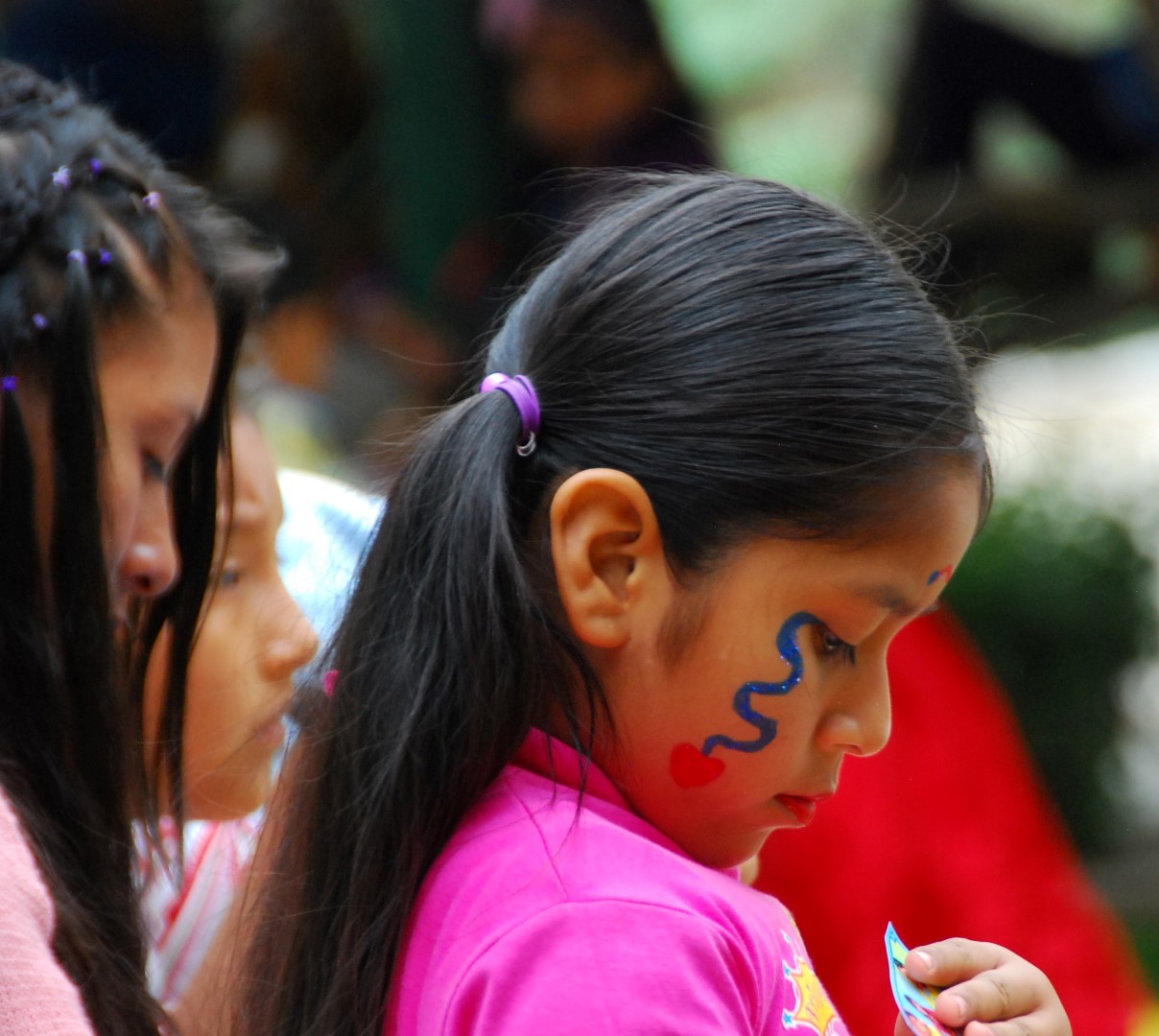
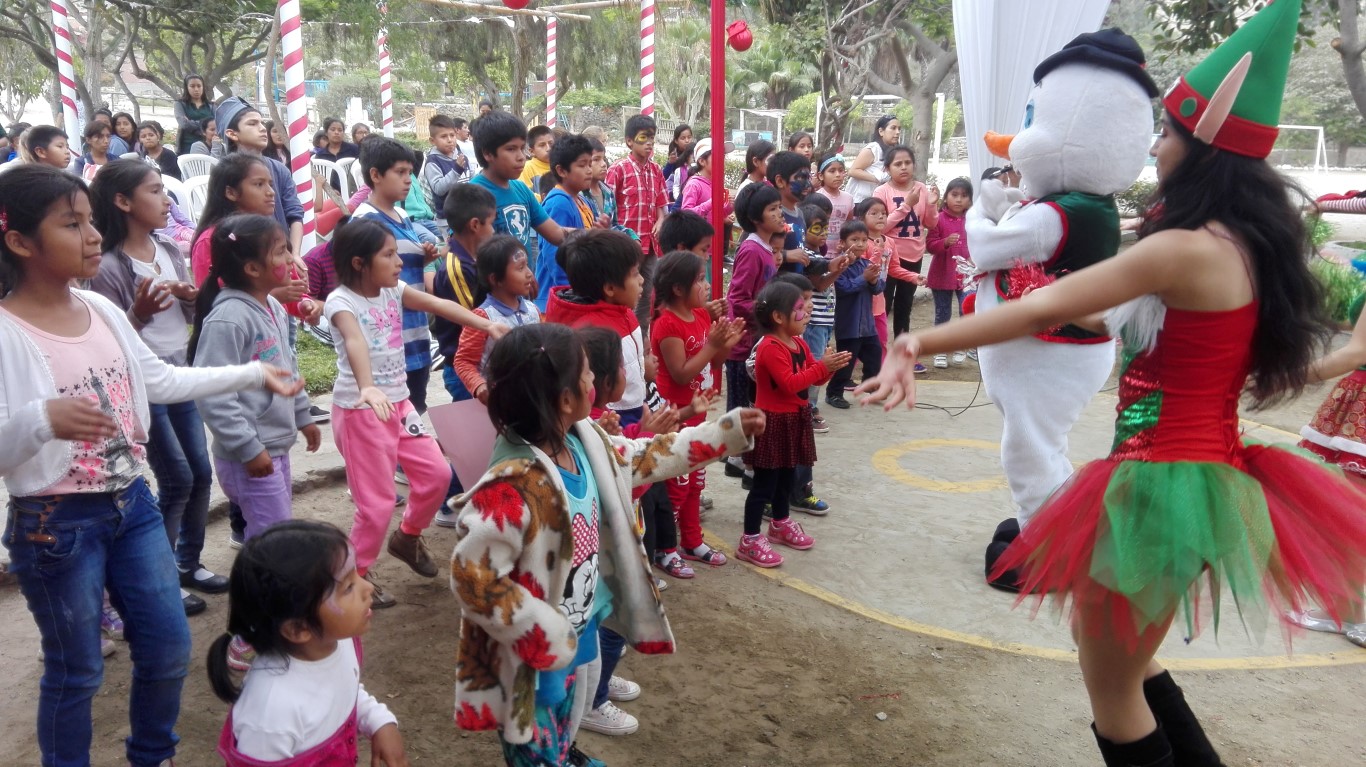
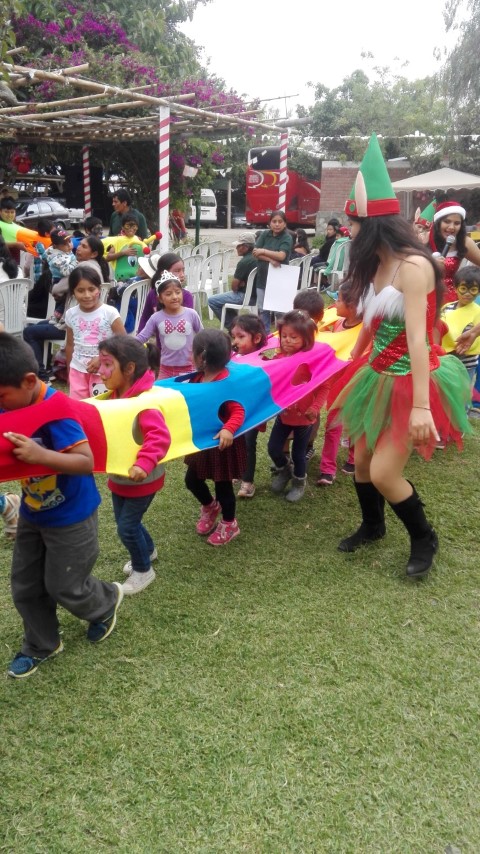
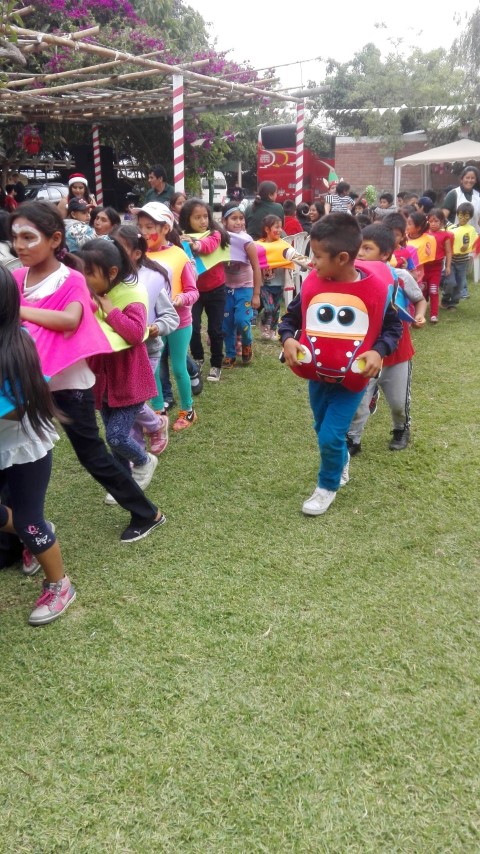
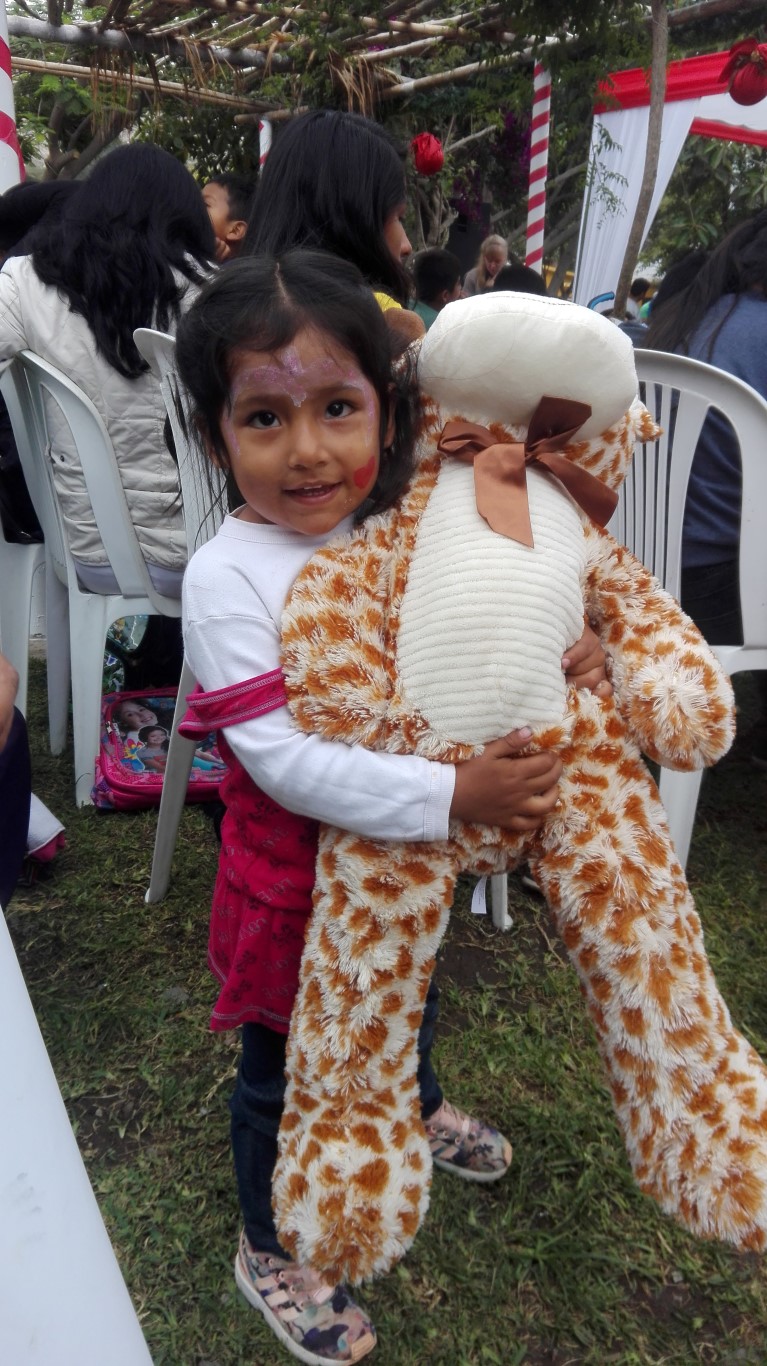
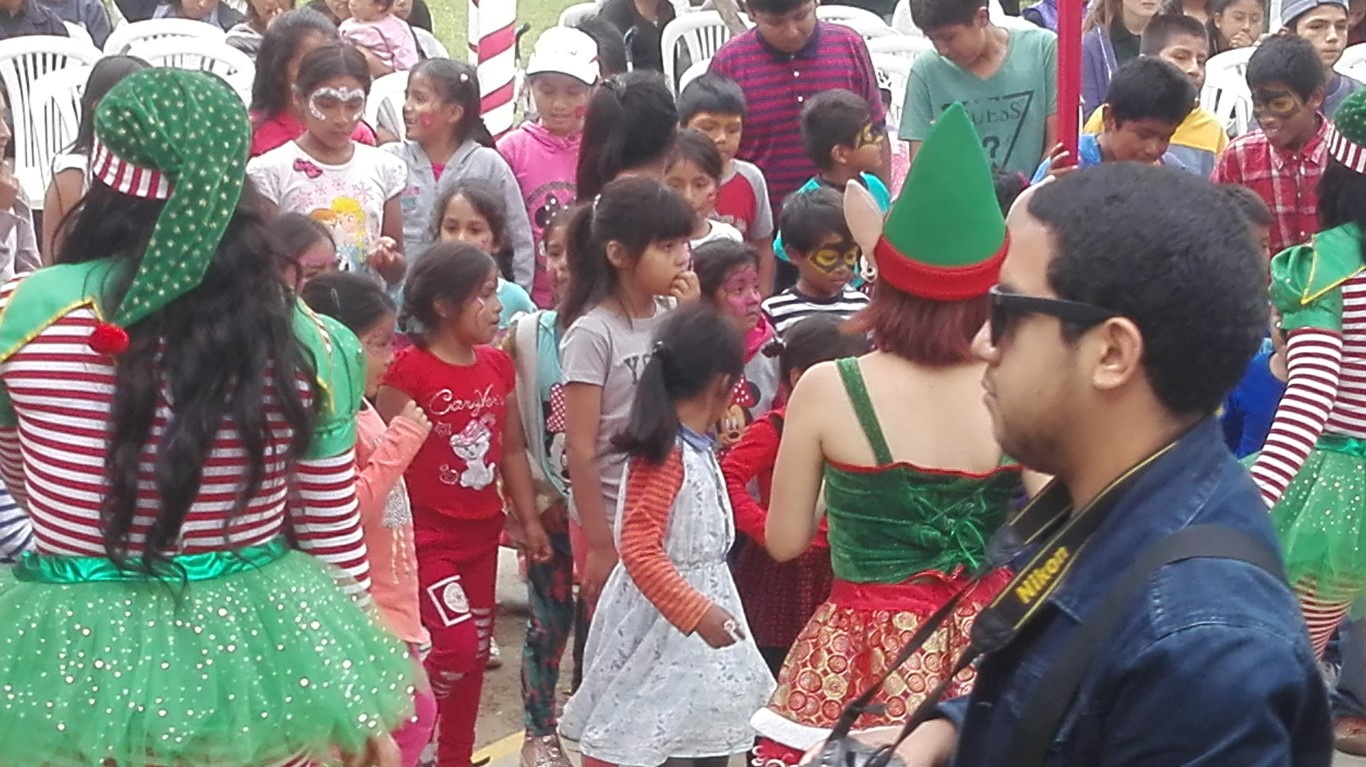
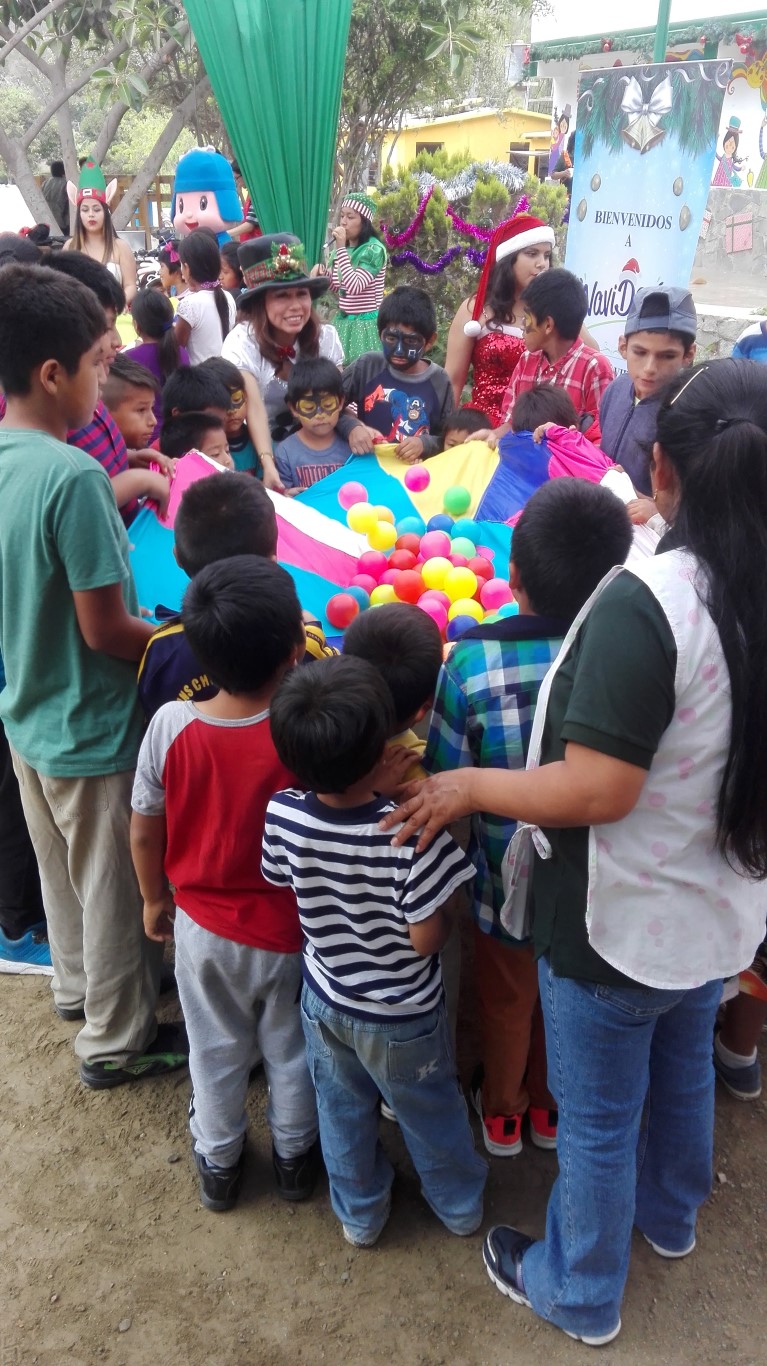
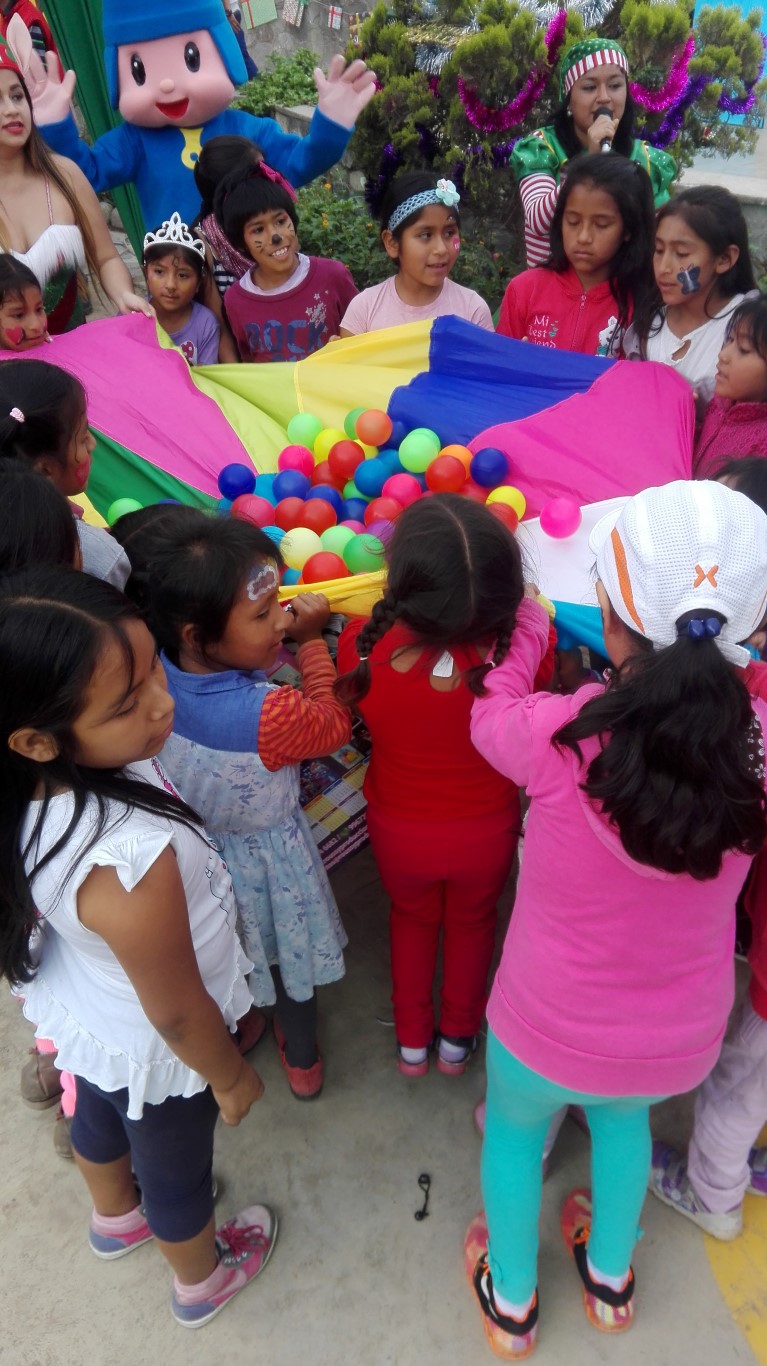
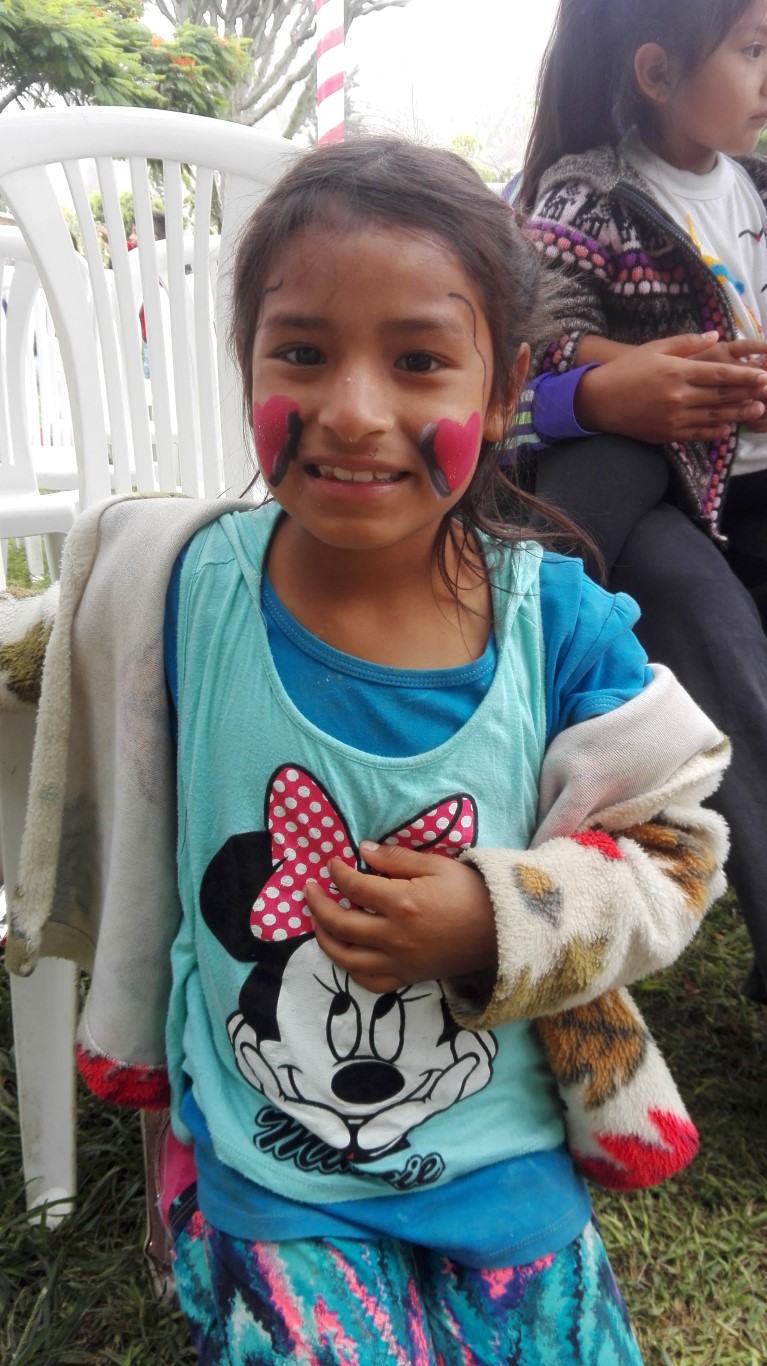
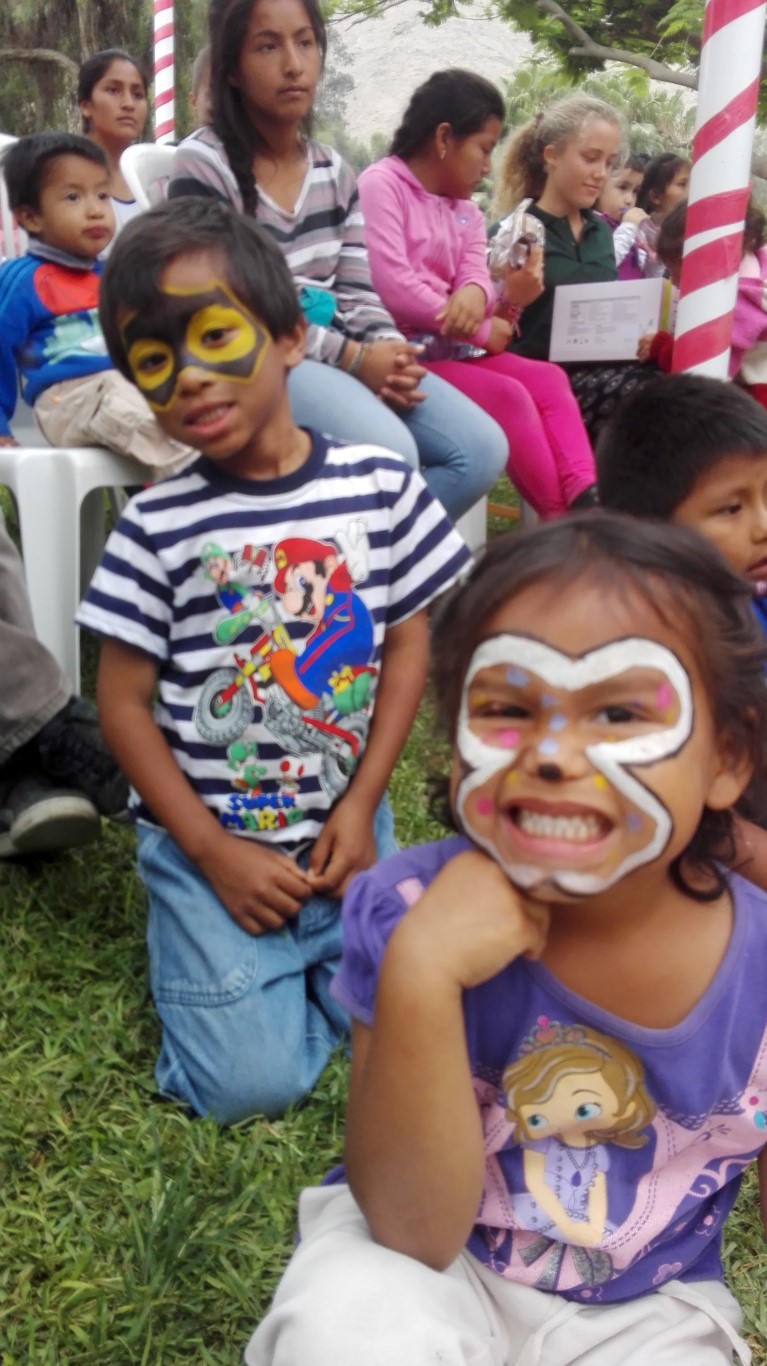
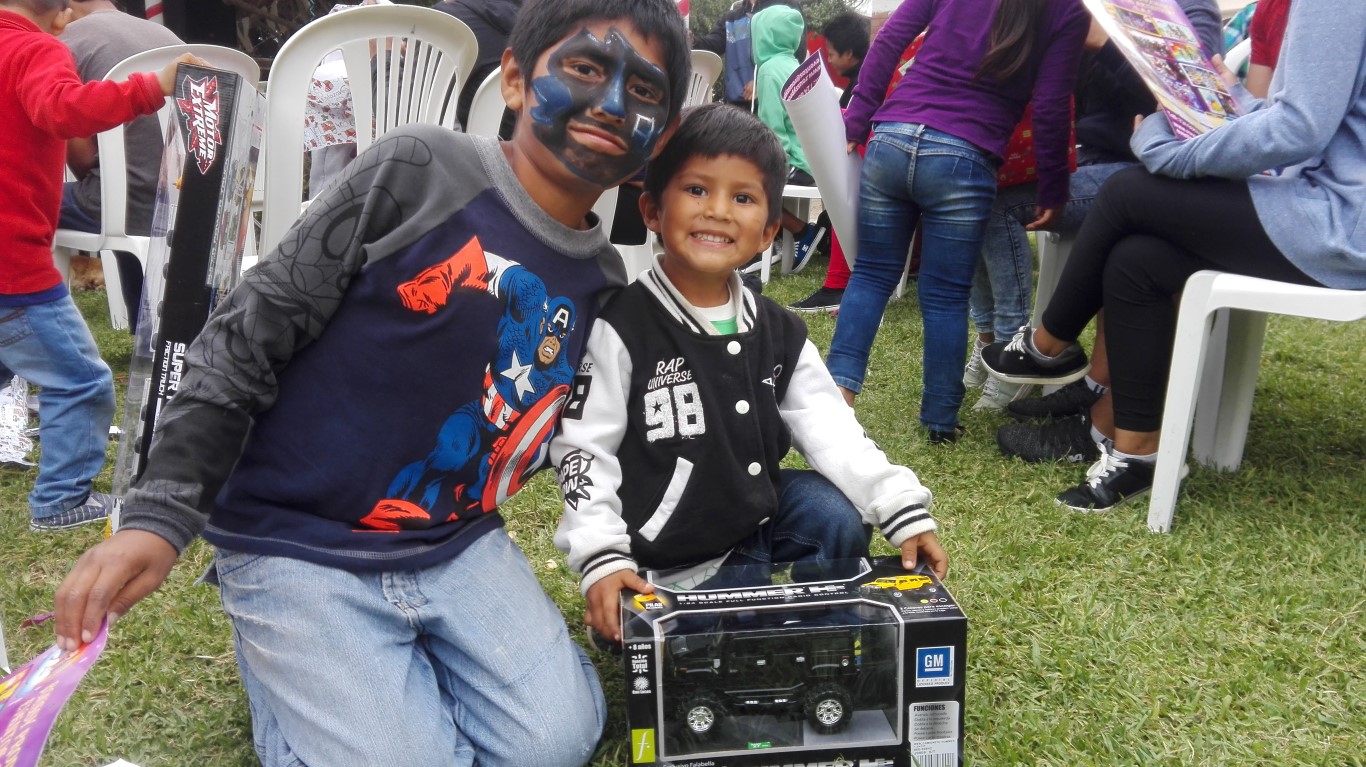
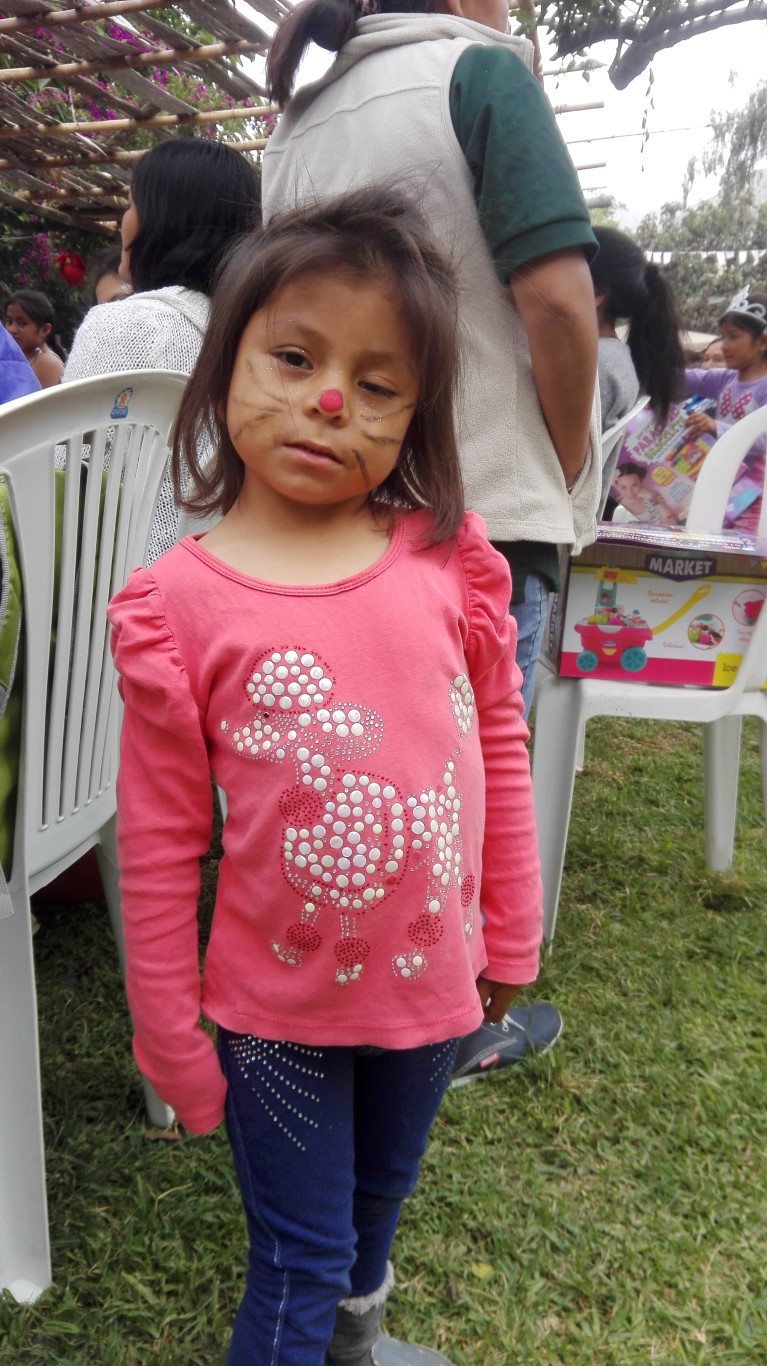
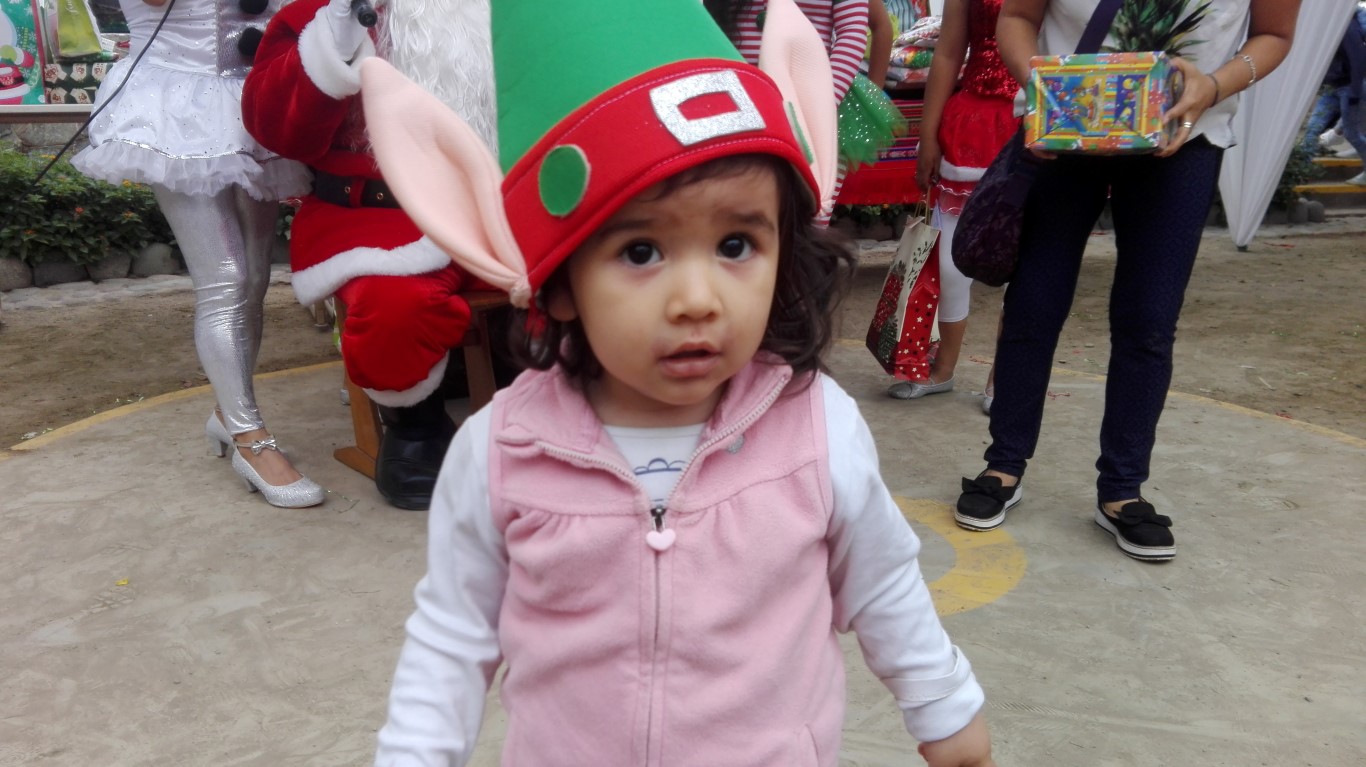
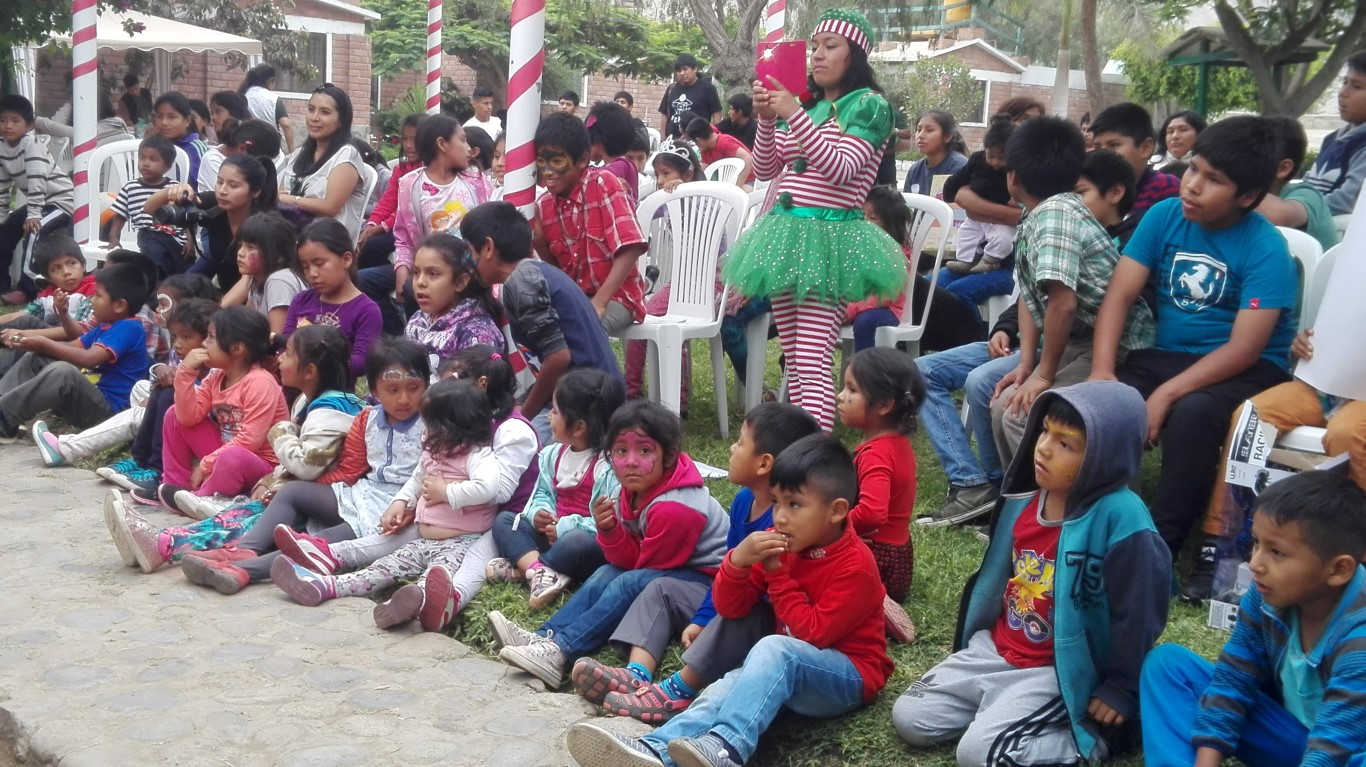
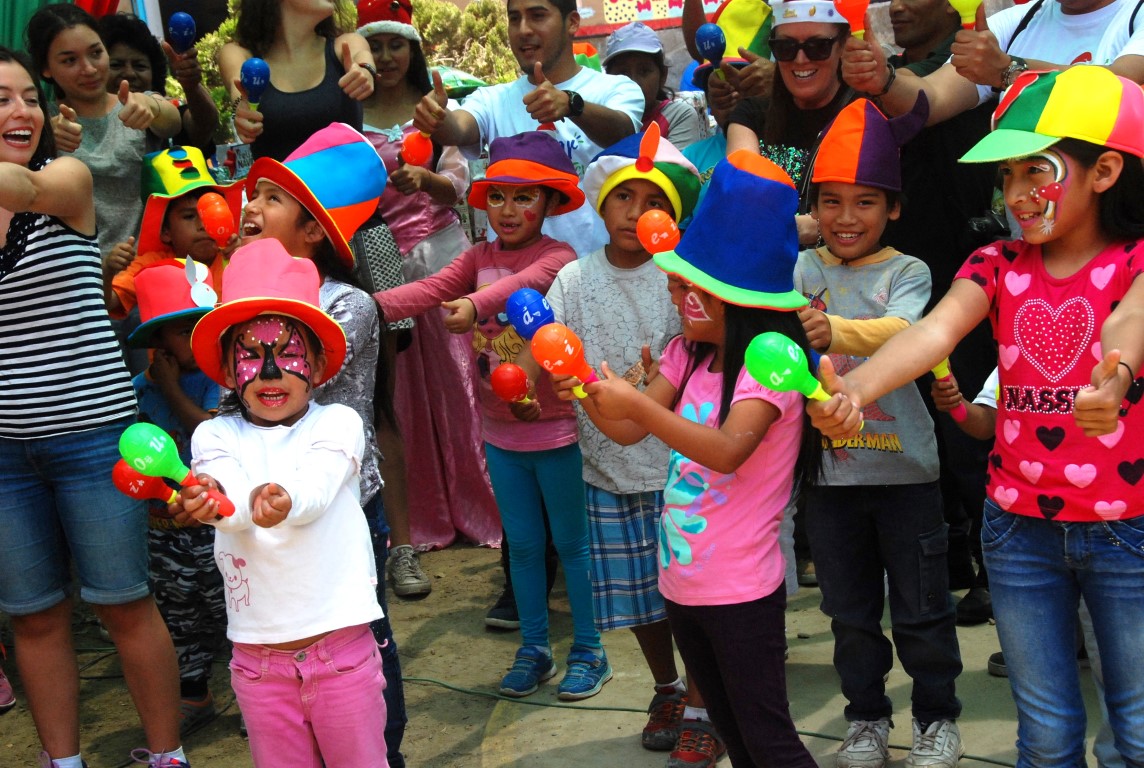
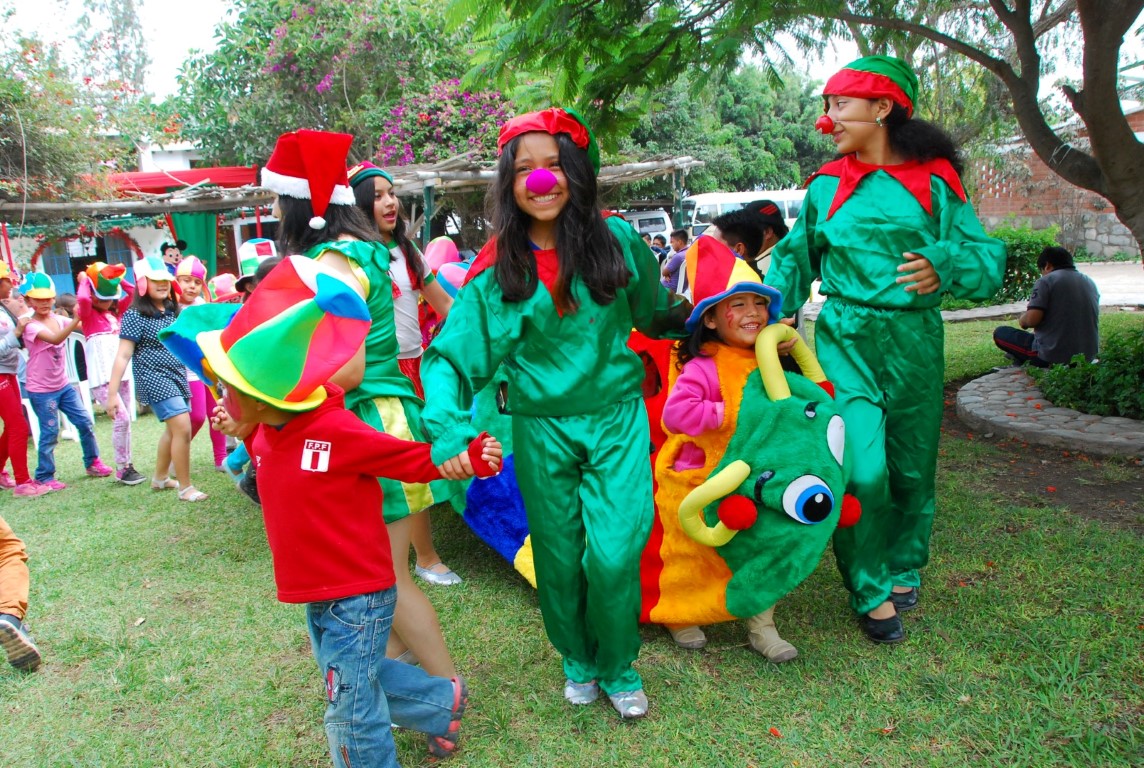
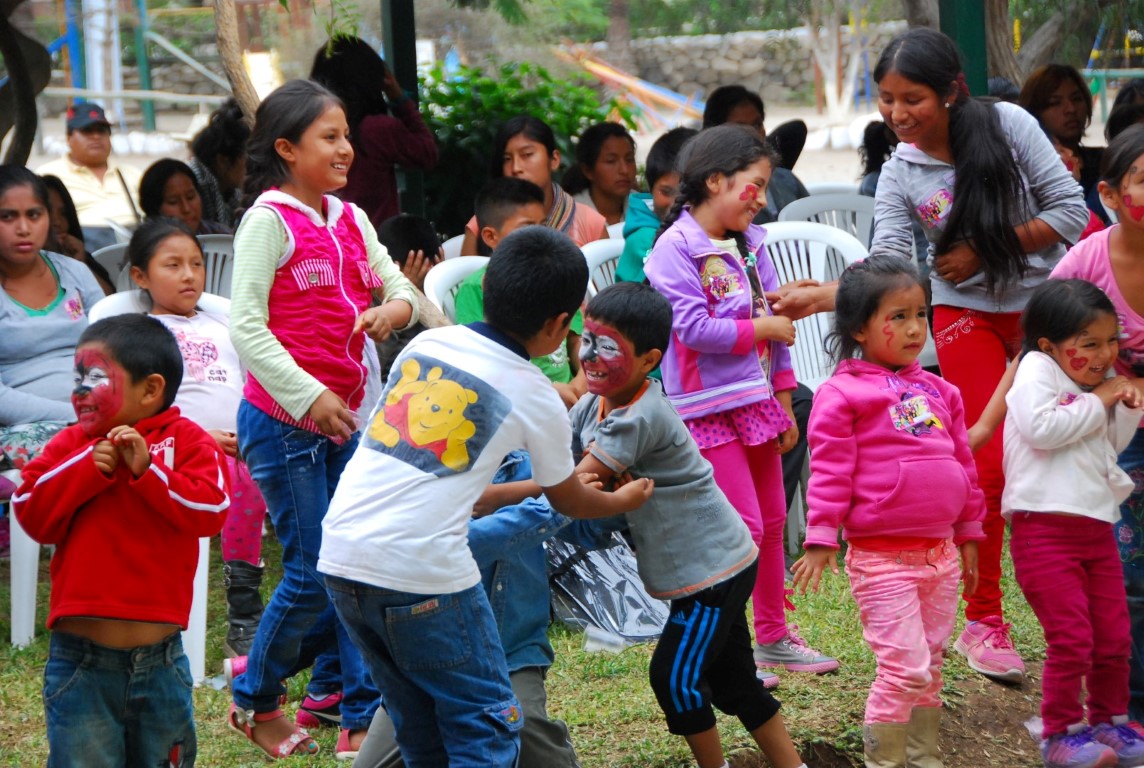
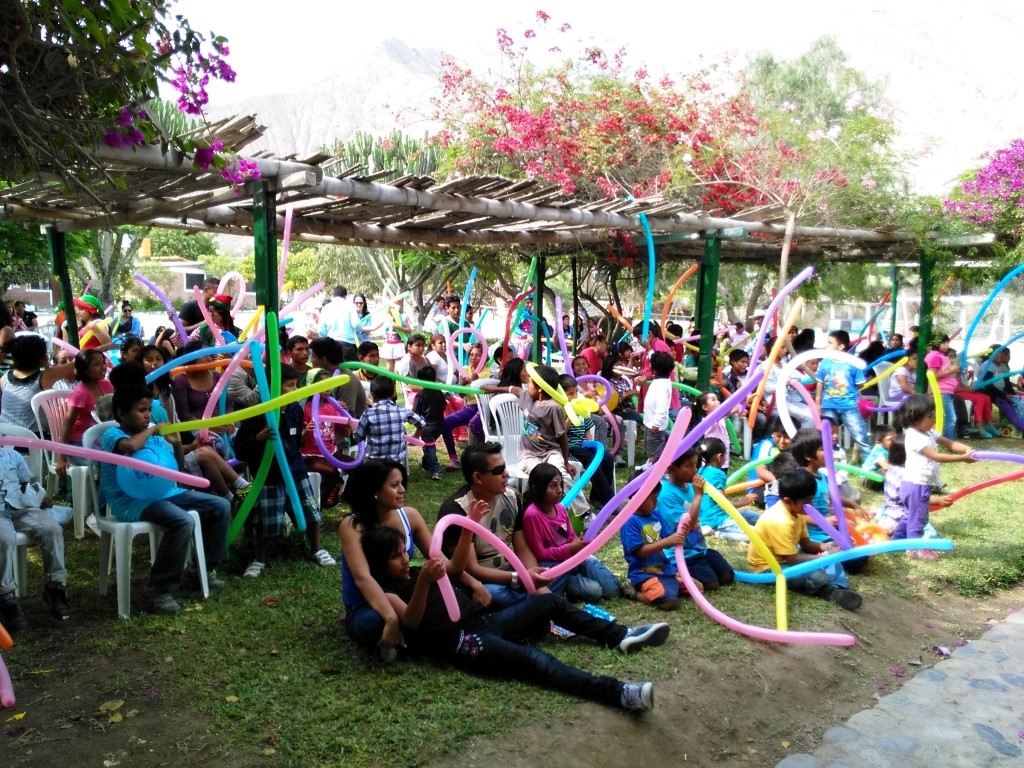
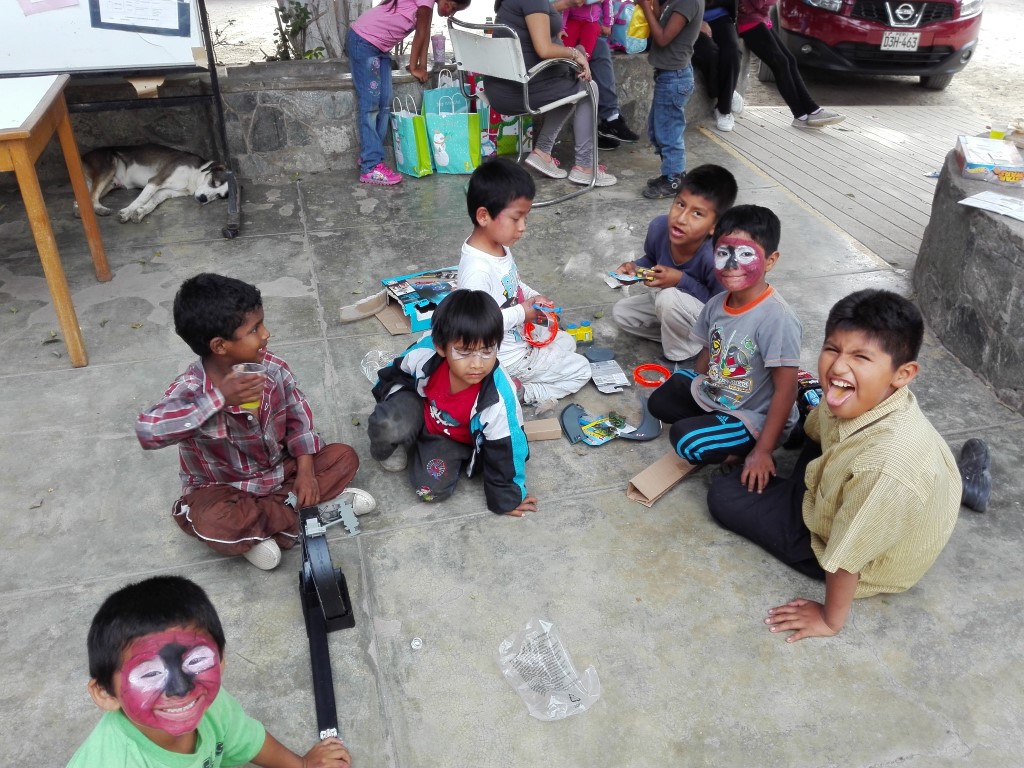
The Christmas party has always been loads of fun and just gets better every year. As usual we had an amazing show with dancers, DJ, singing, dancing, games and prizes, face-painting, and Santa and helpers were handing out the gifts. It was such a special day for the kids that live at the remote orphanage in Cieneguilla on the outskirts of Lima, Peru.
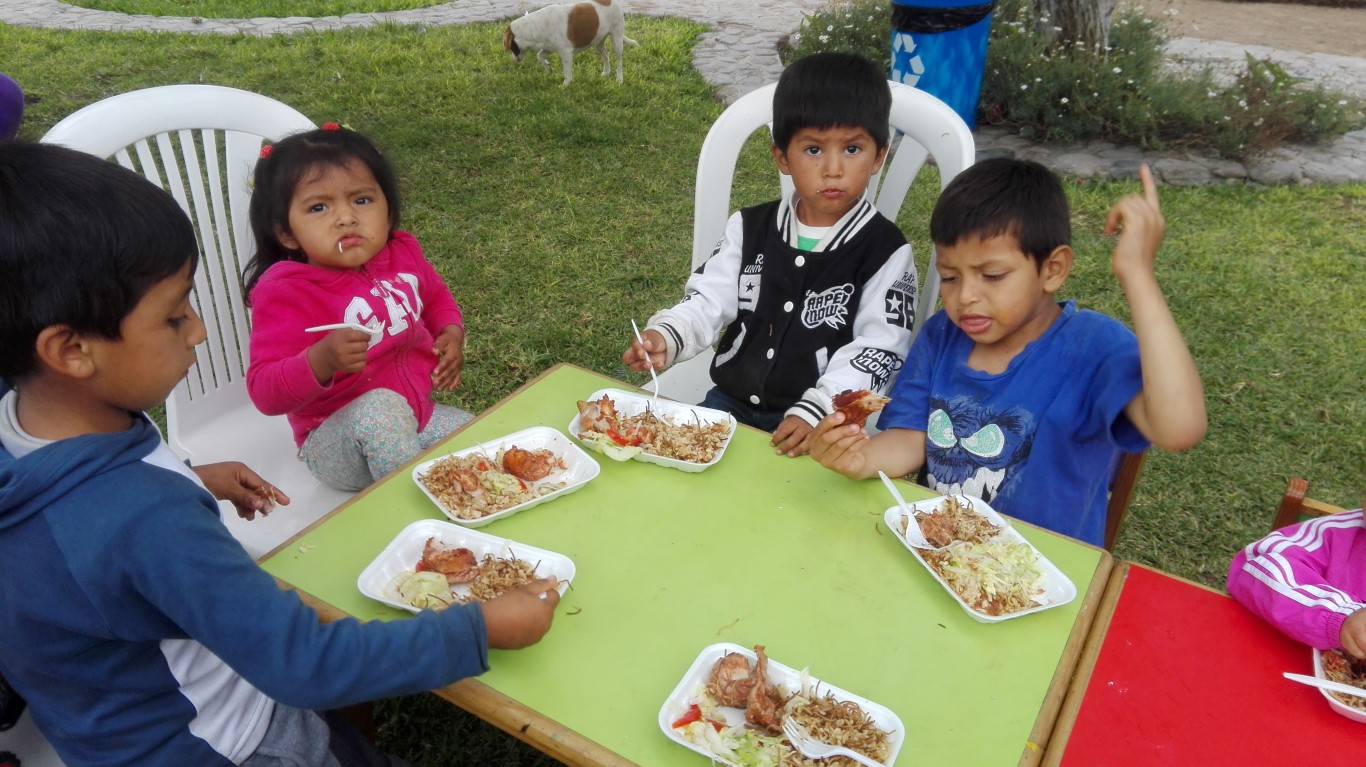
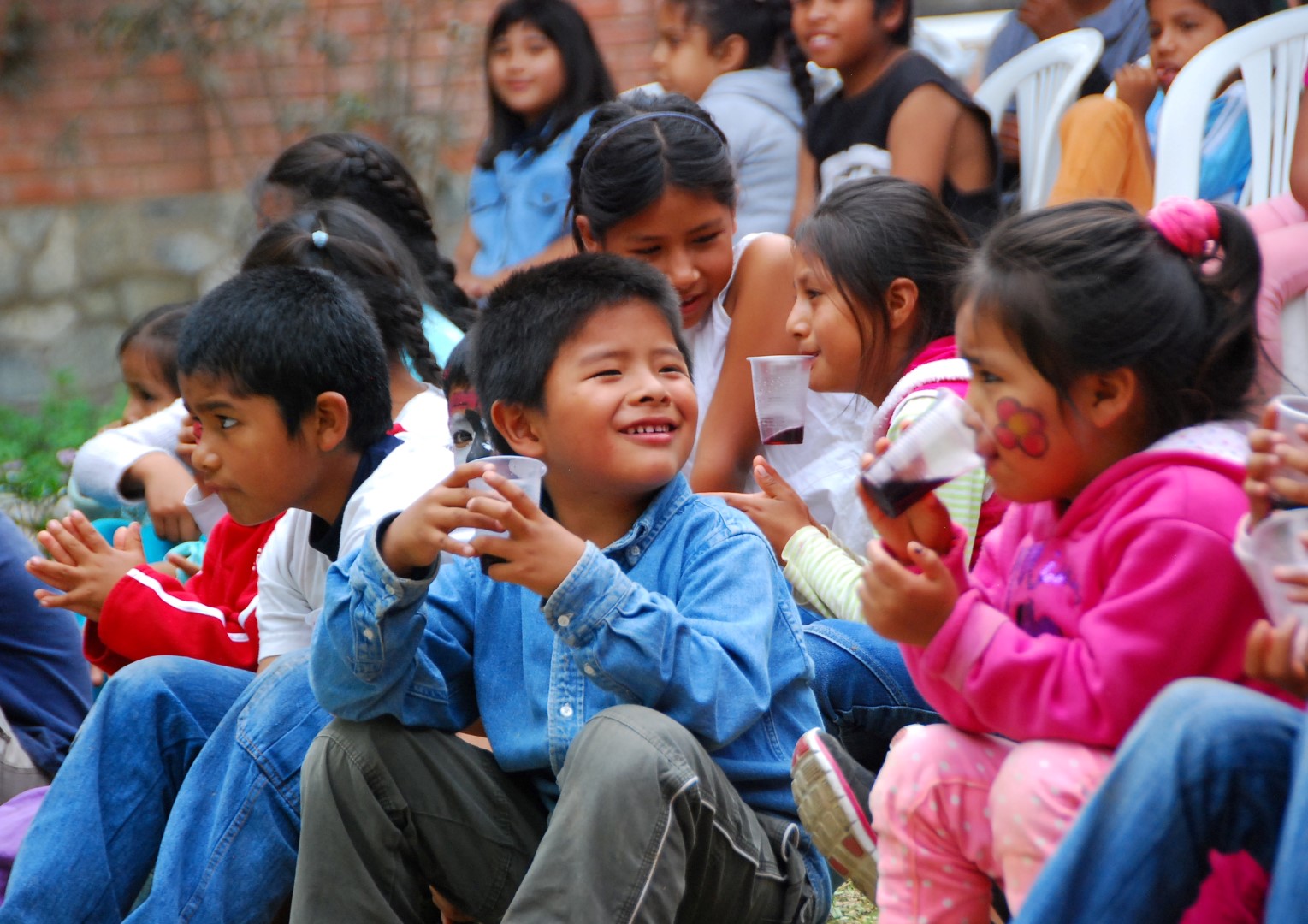
Of course we had a huge turkey lunch. It’s extra special because the children don’t eat a lot of meat due to a lack of funds. So the event is always a lot of fun for the kids.
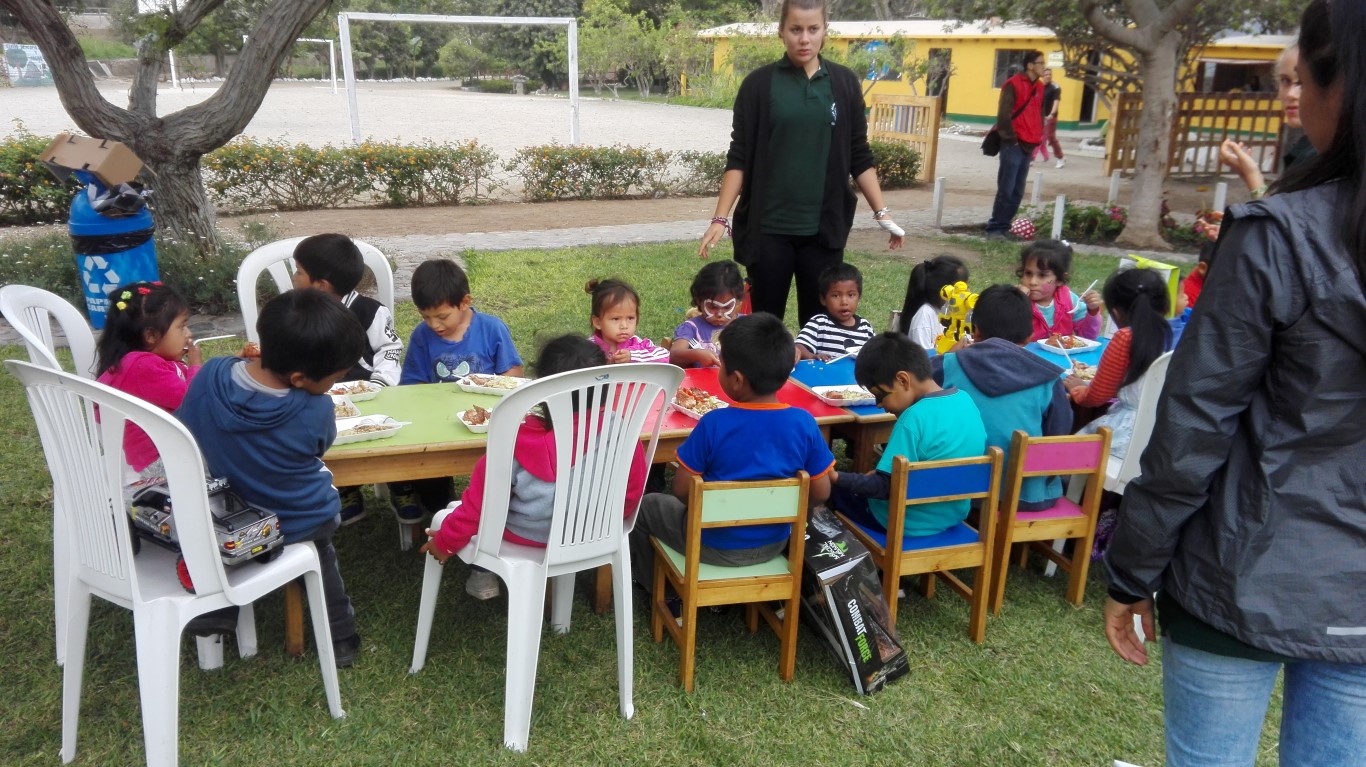
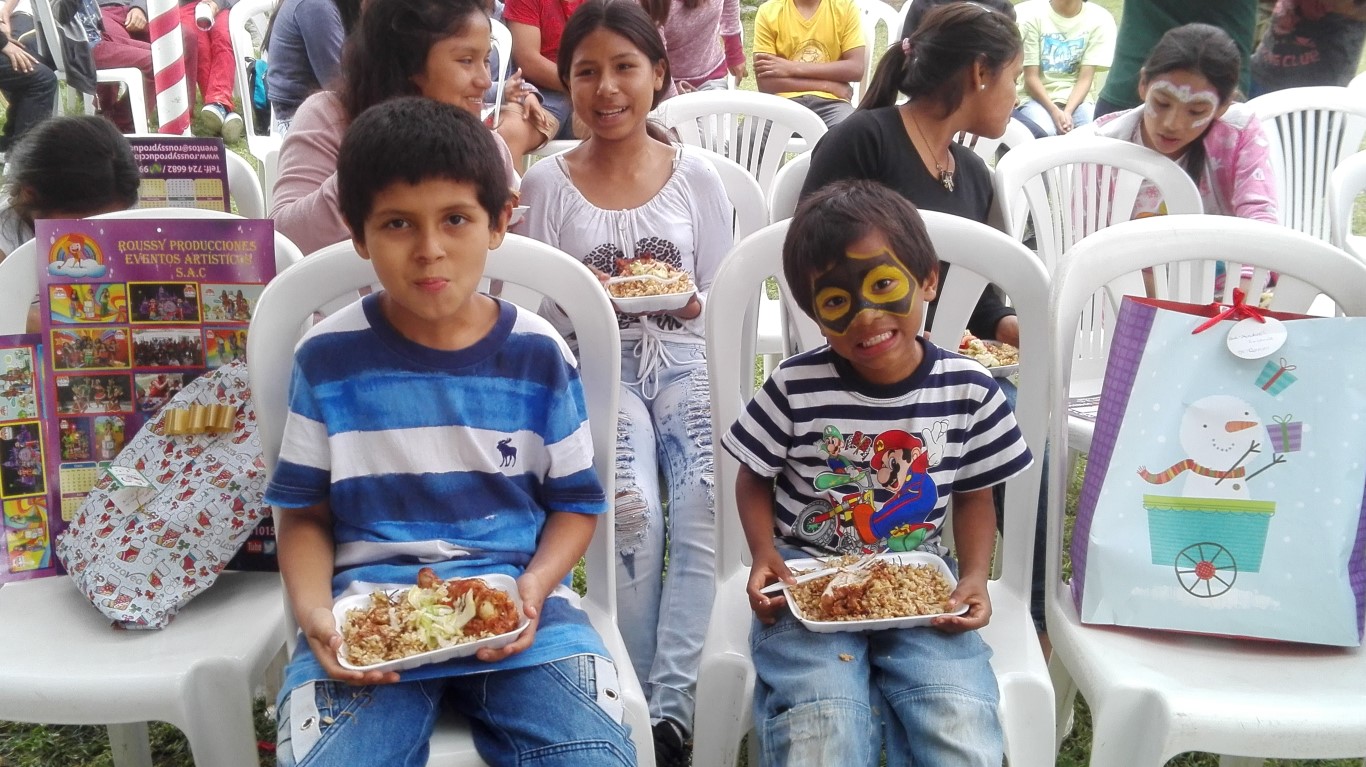
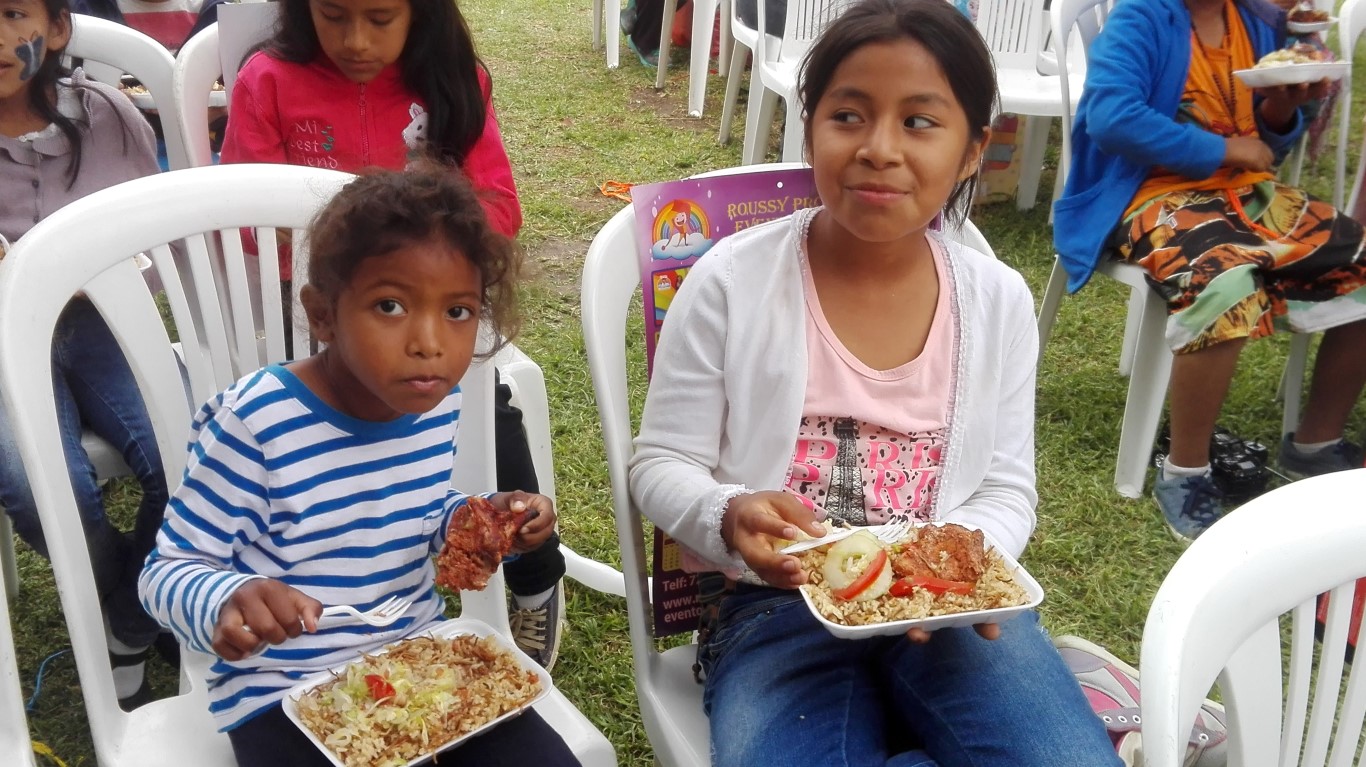
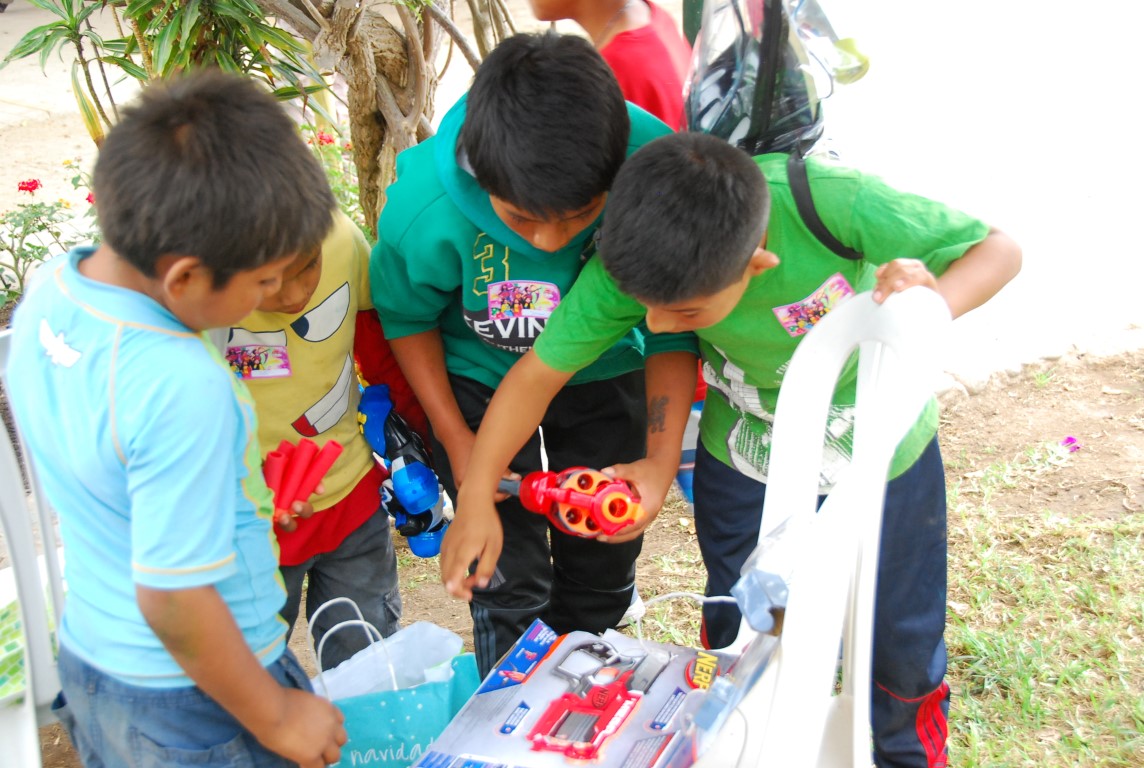
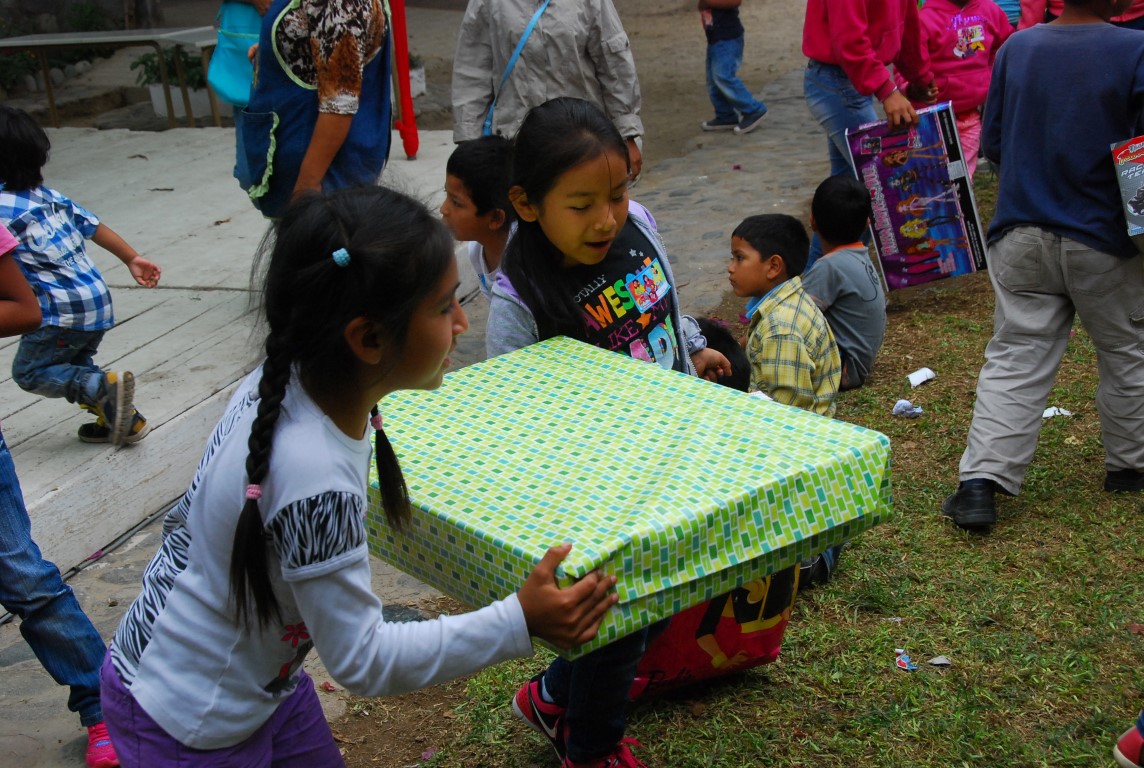
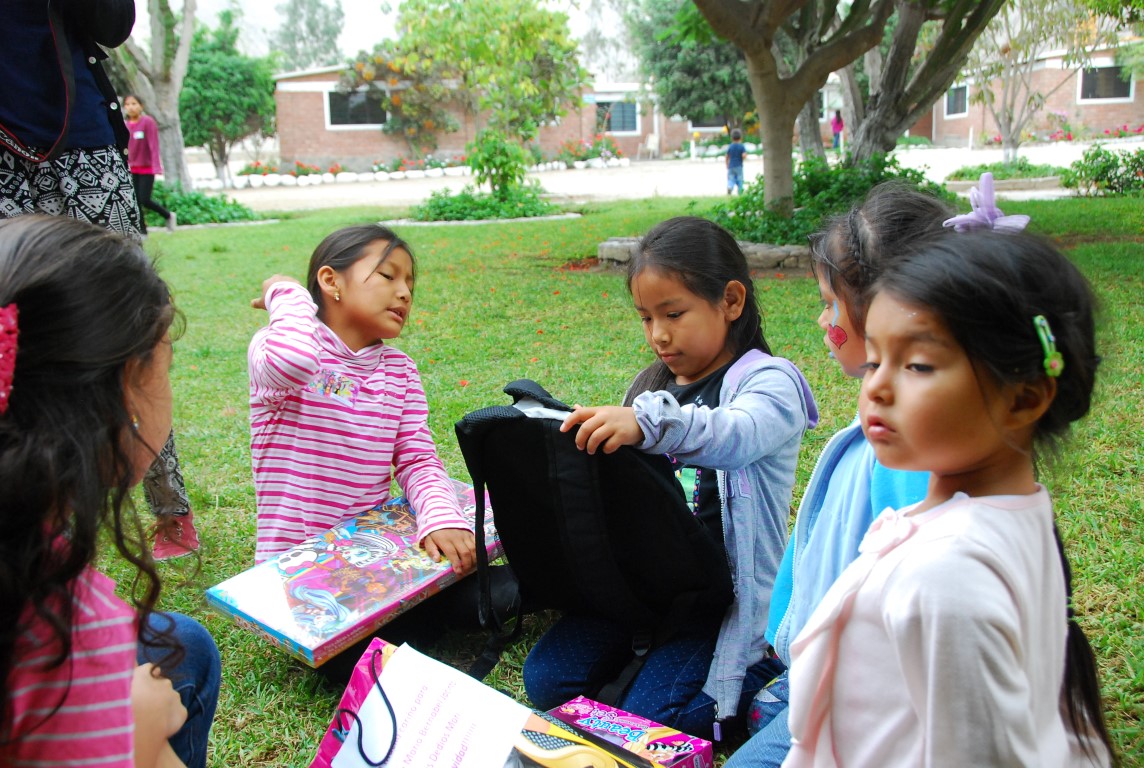
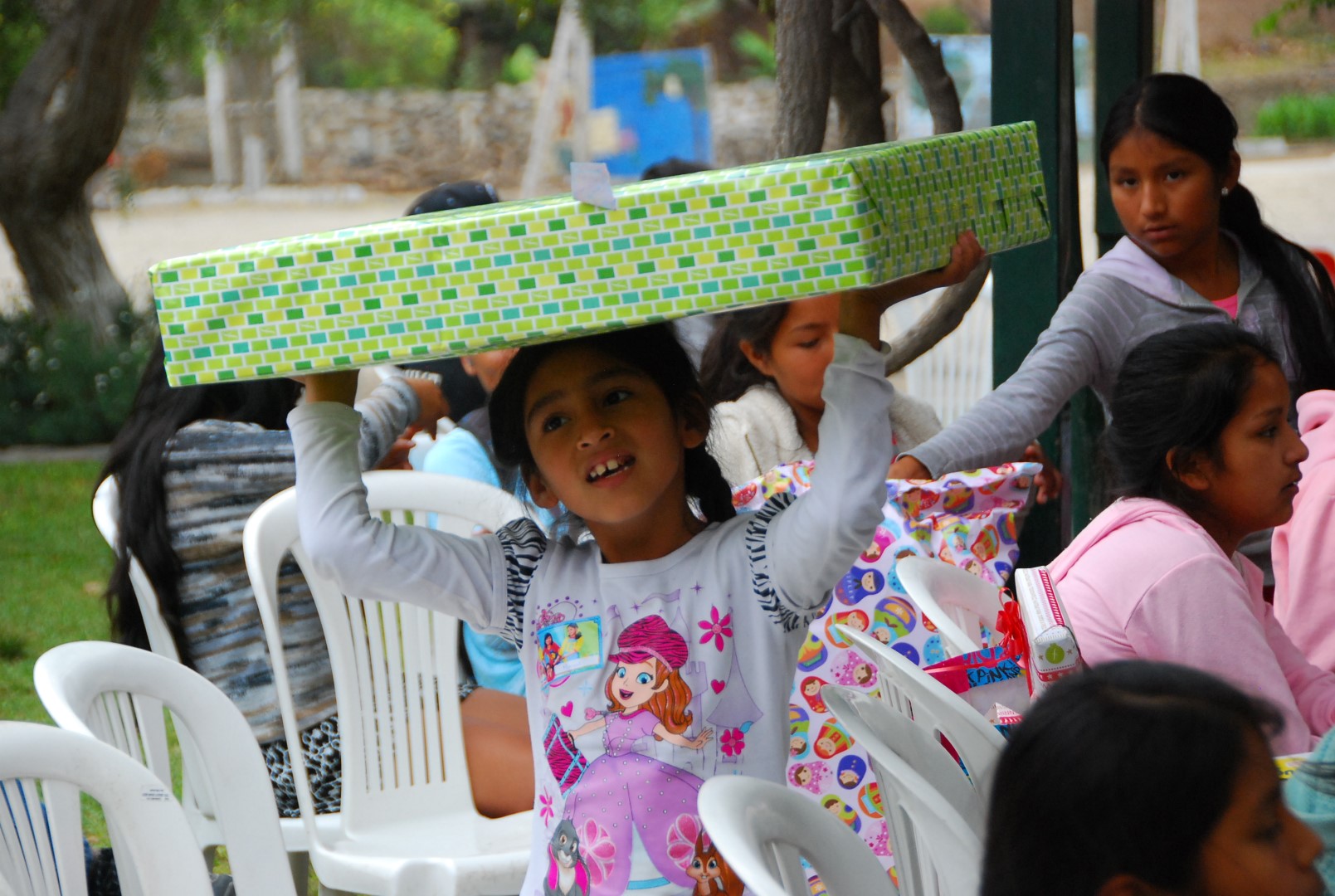
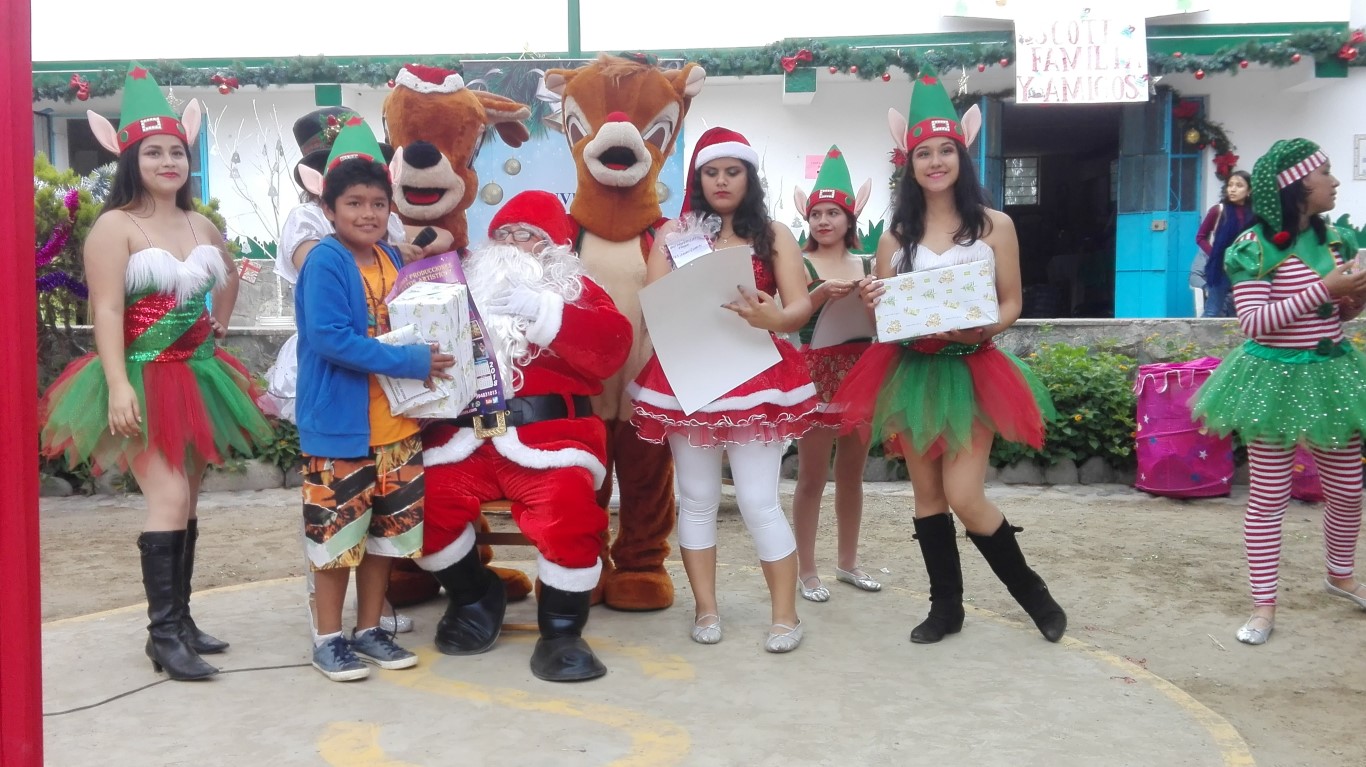
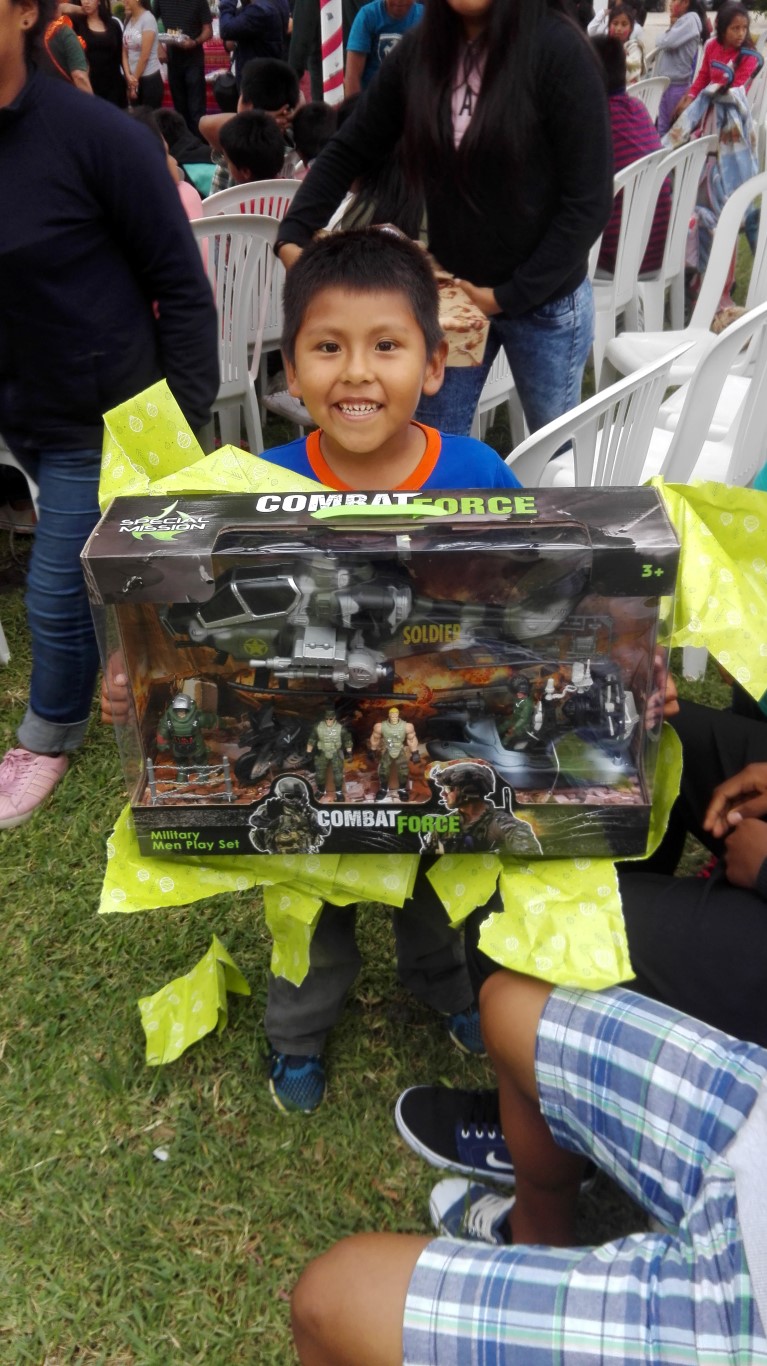
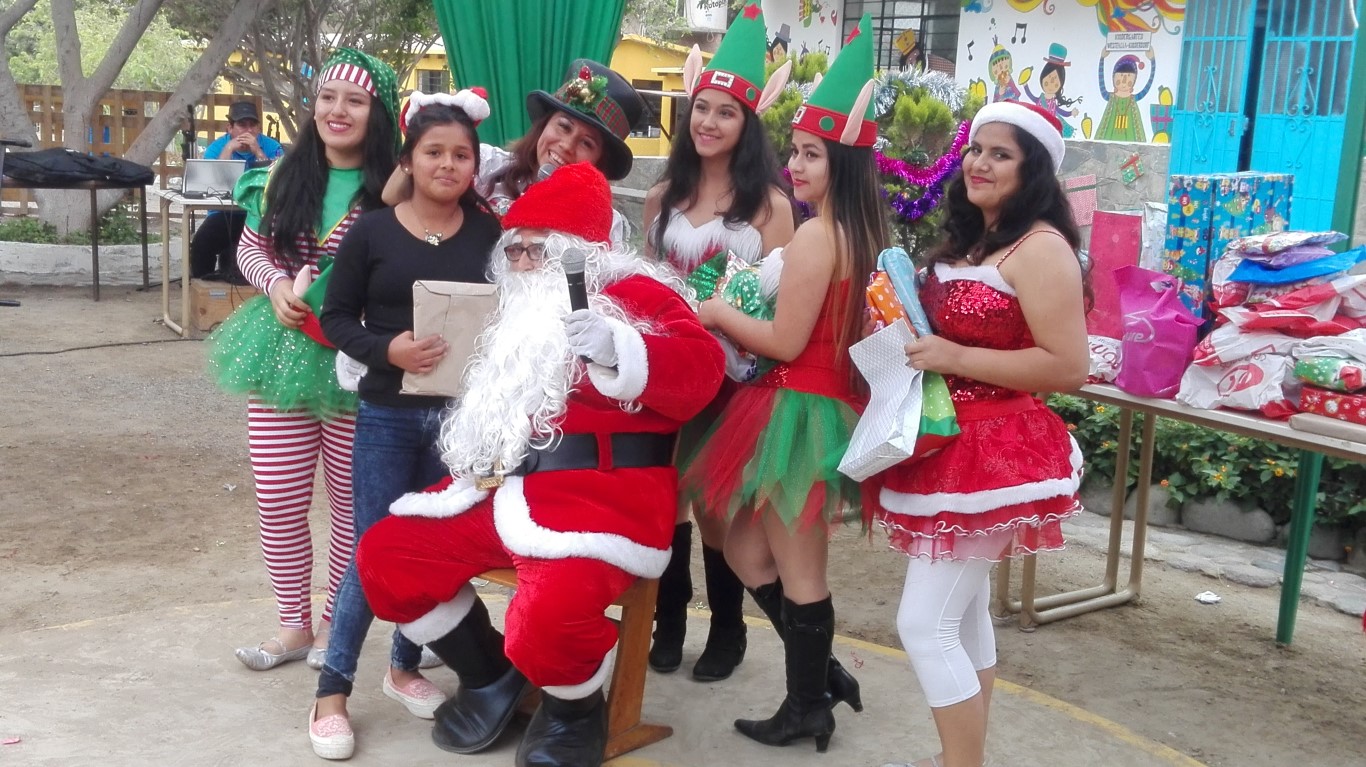
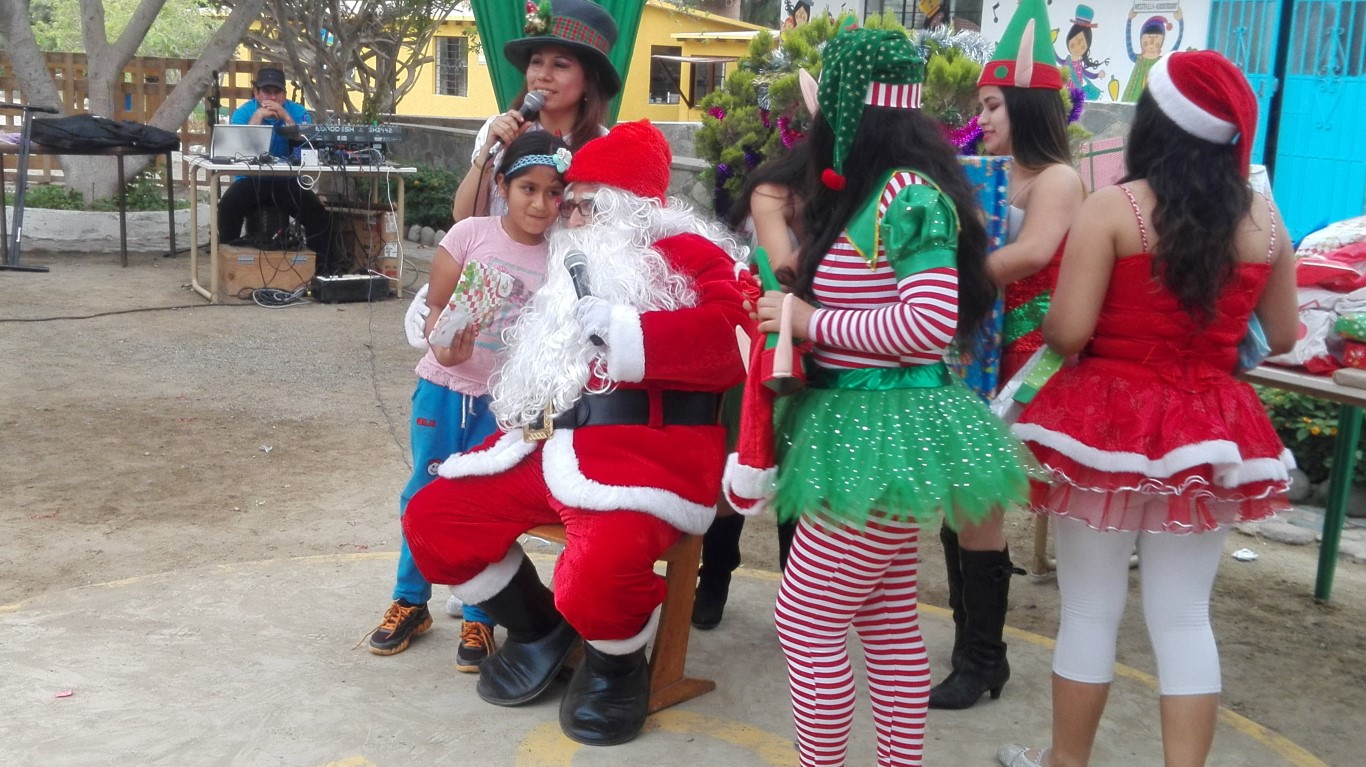
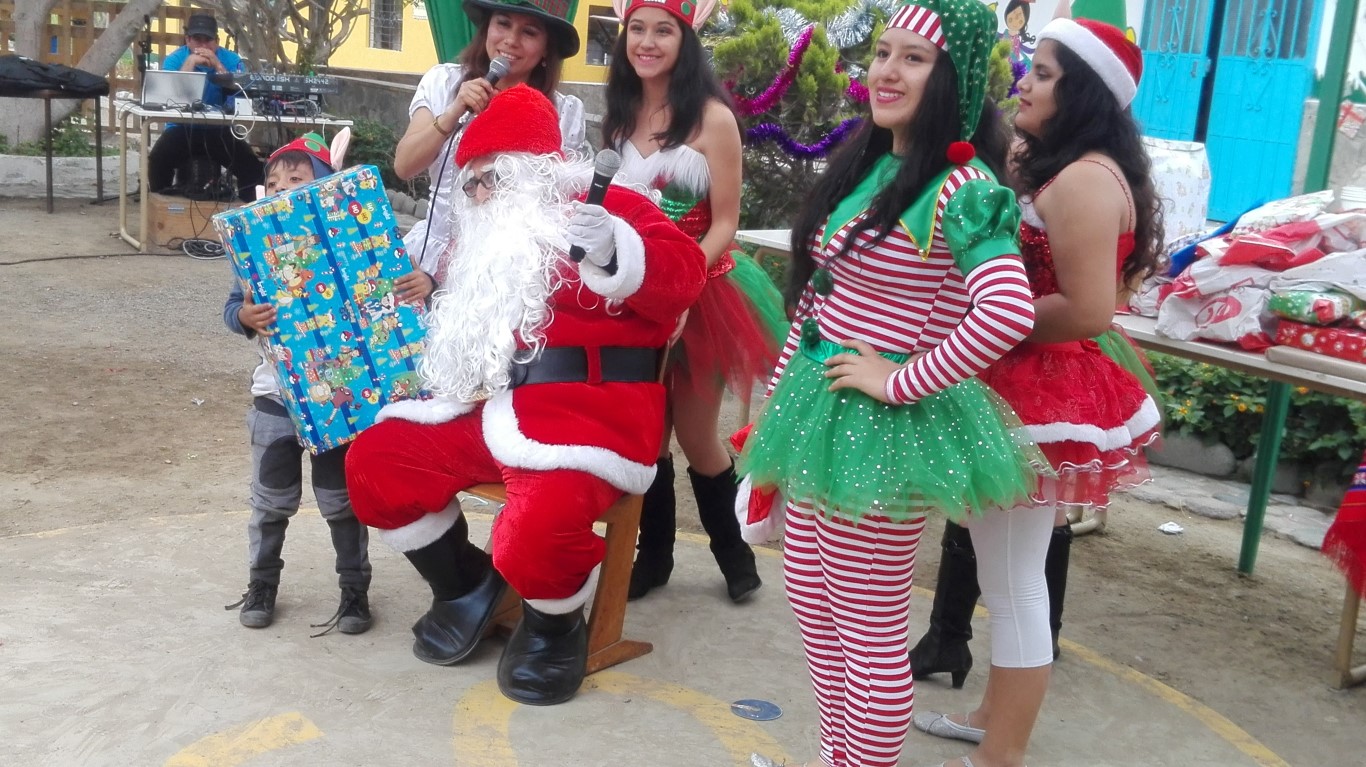
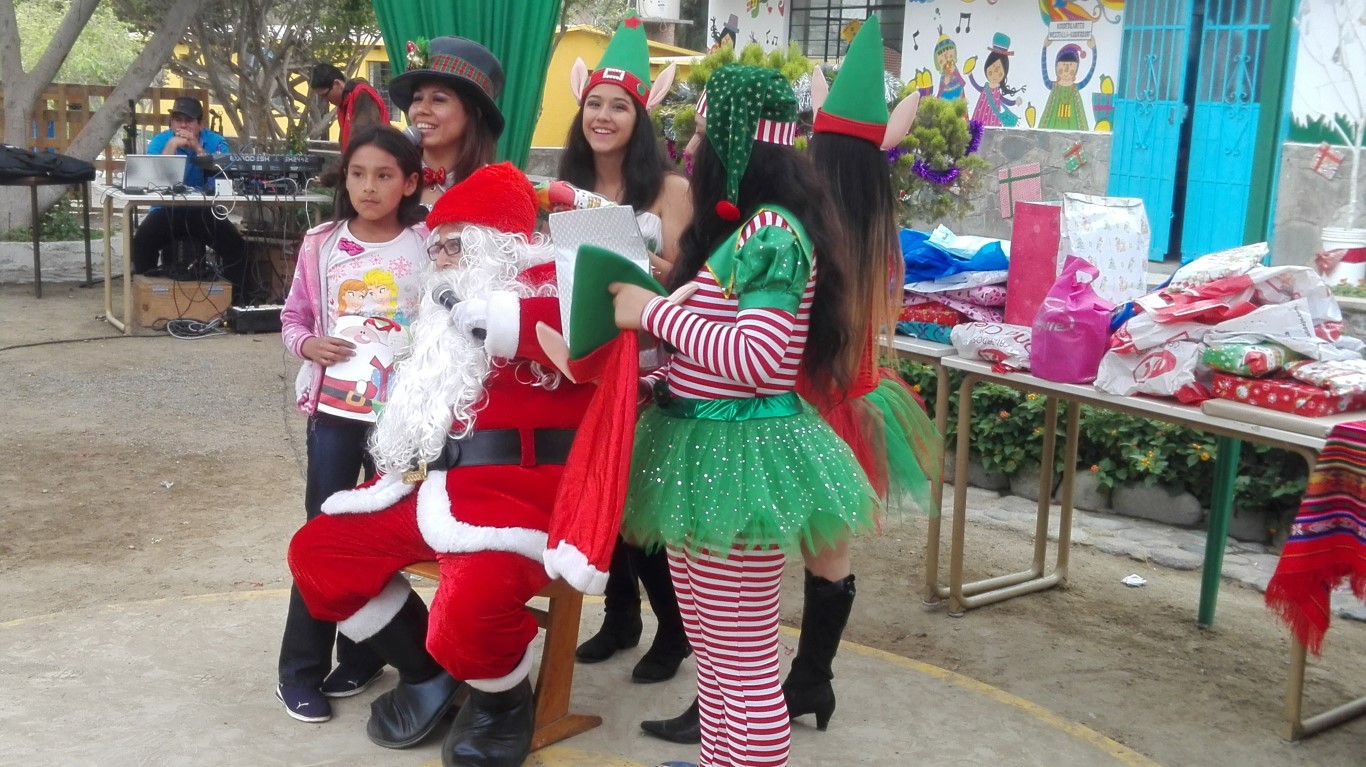
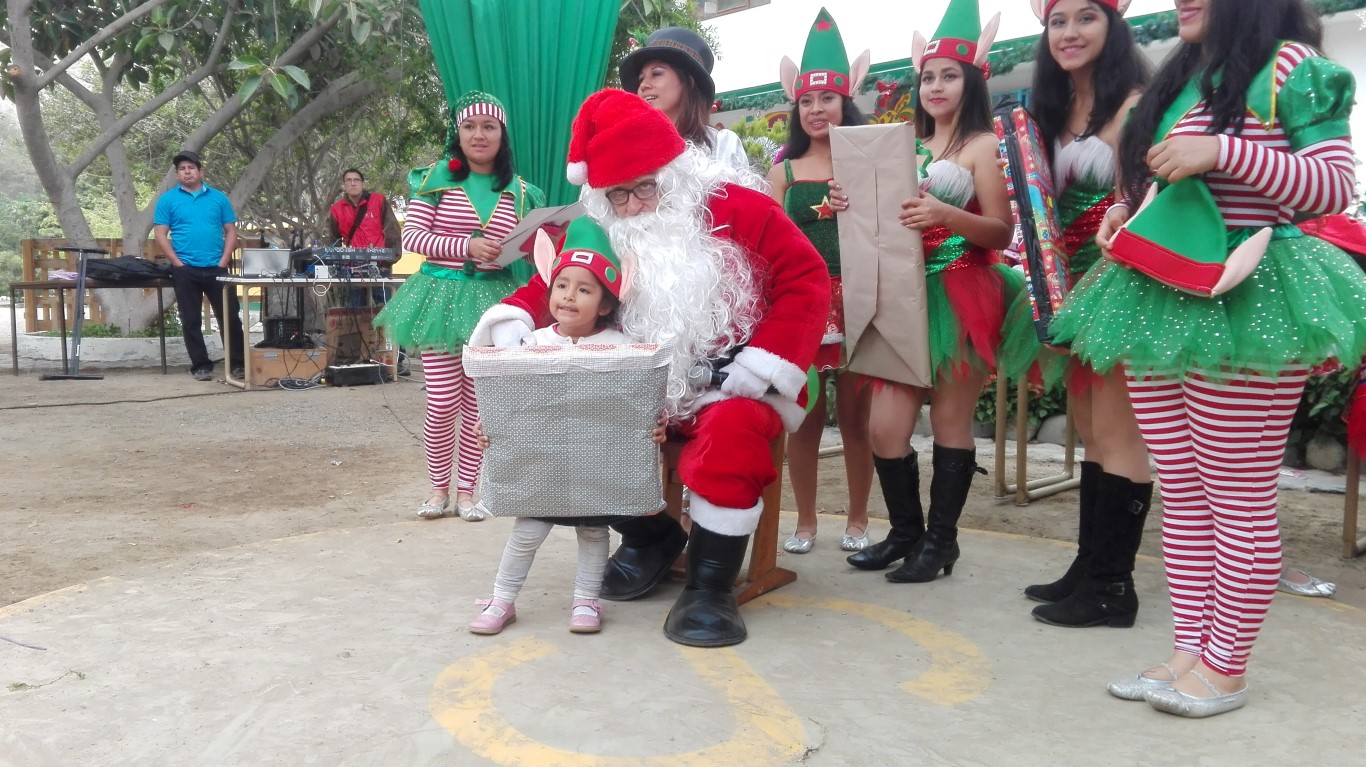
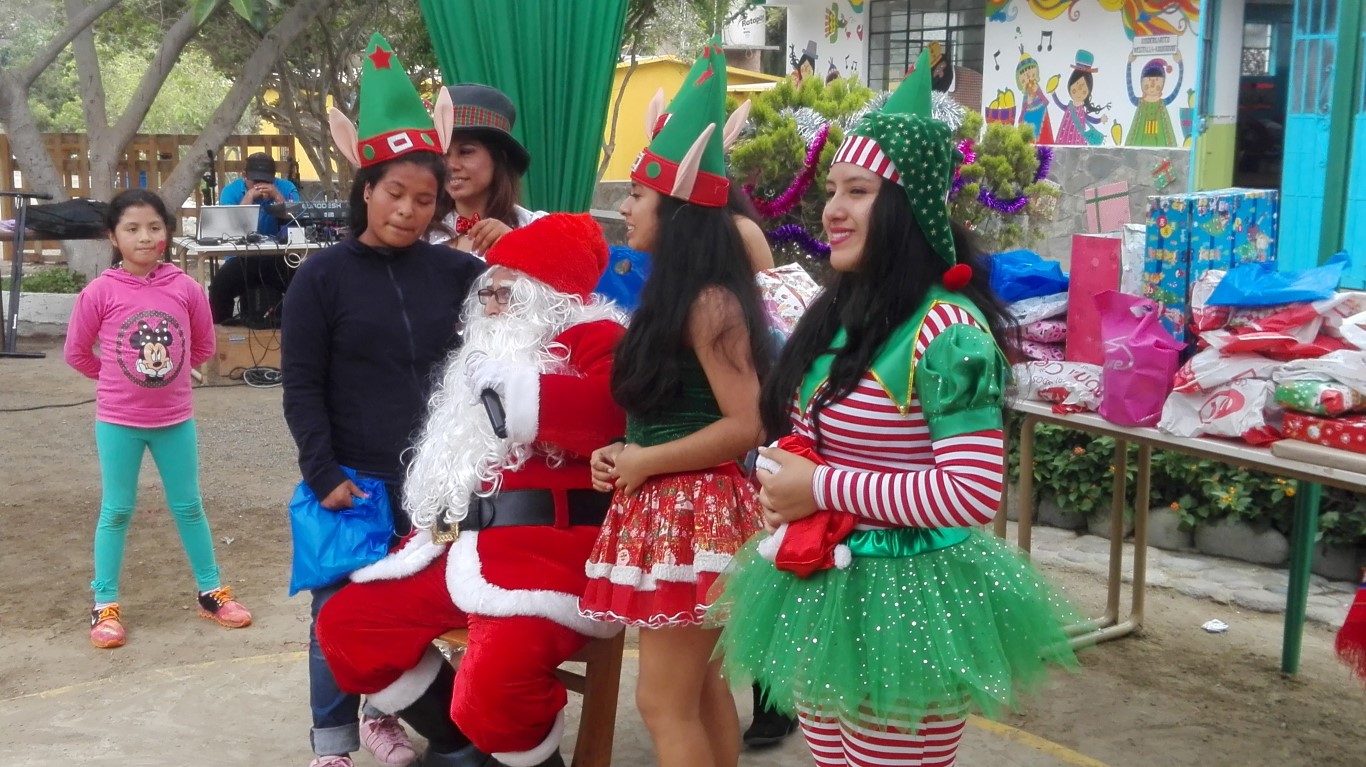
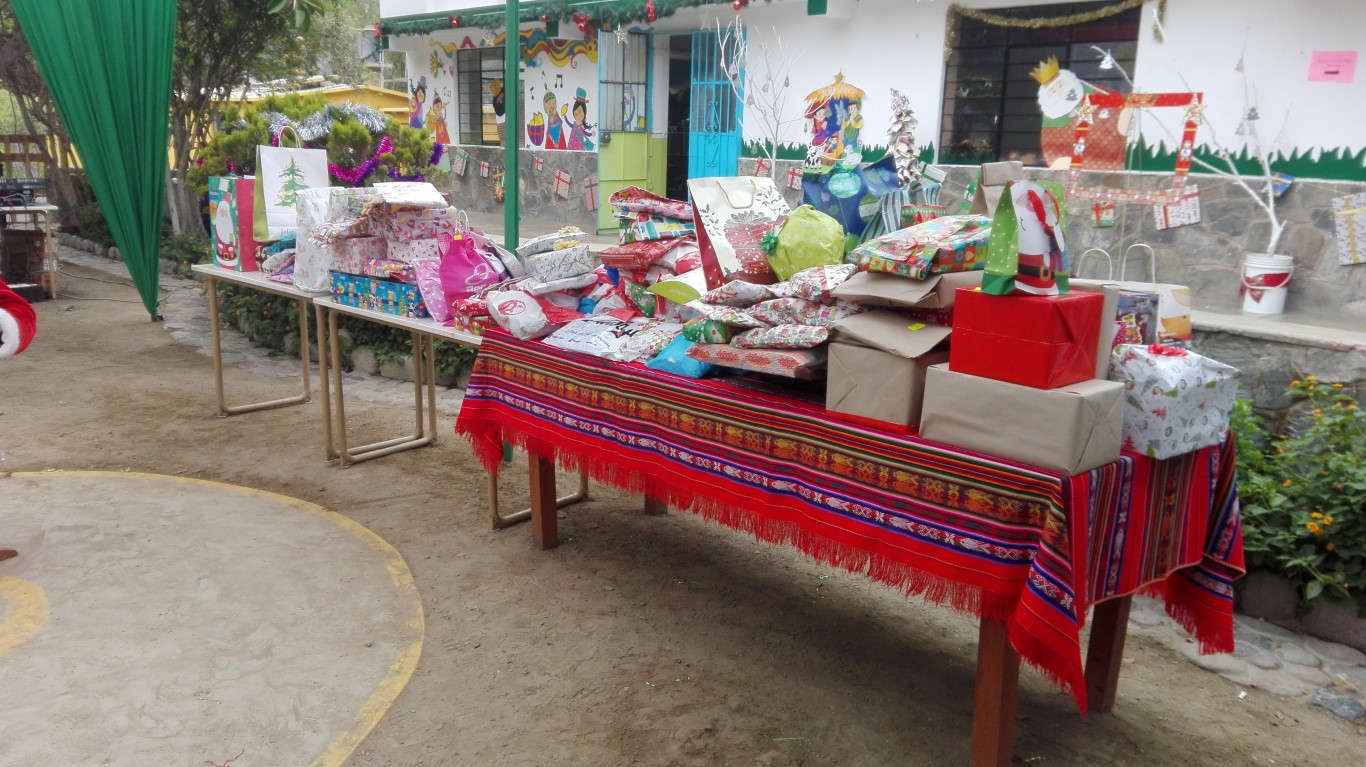
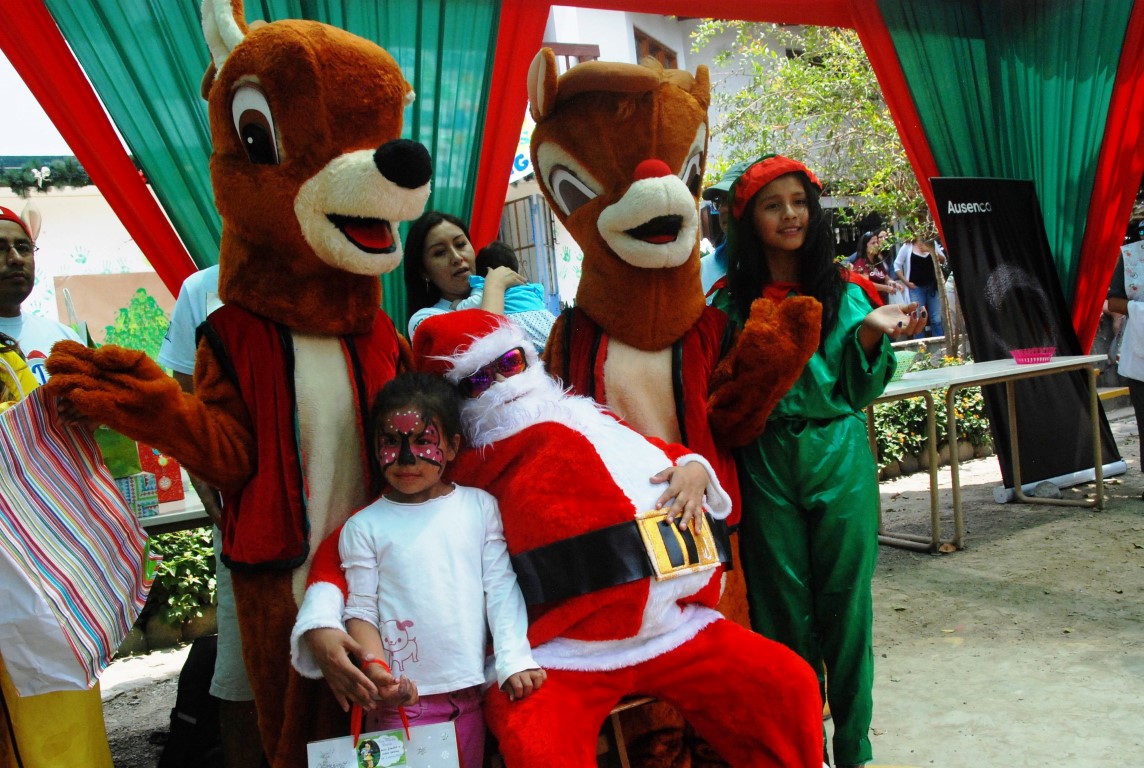
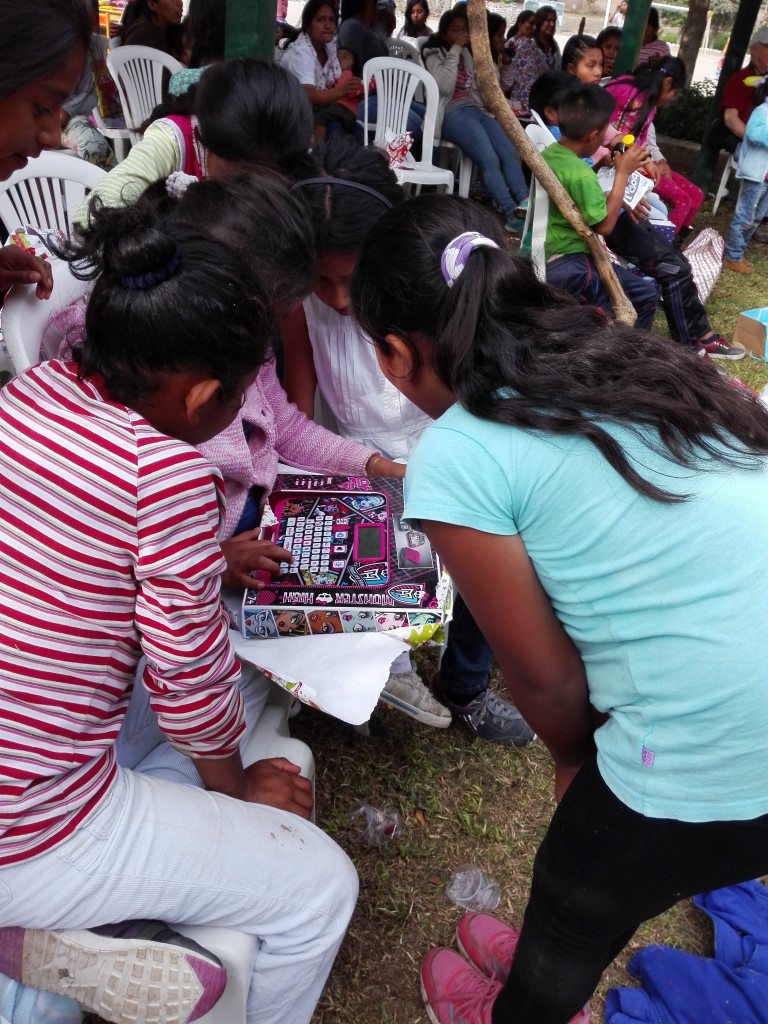
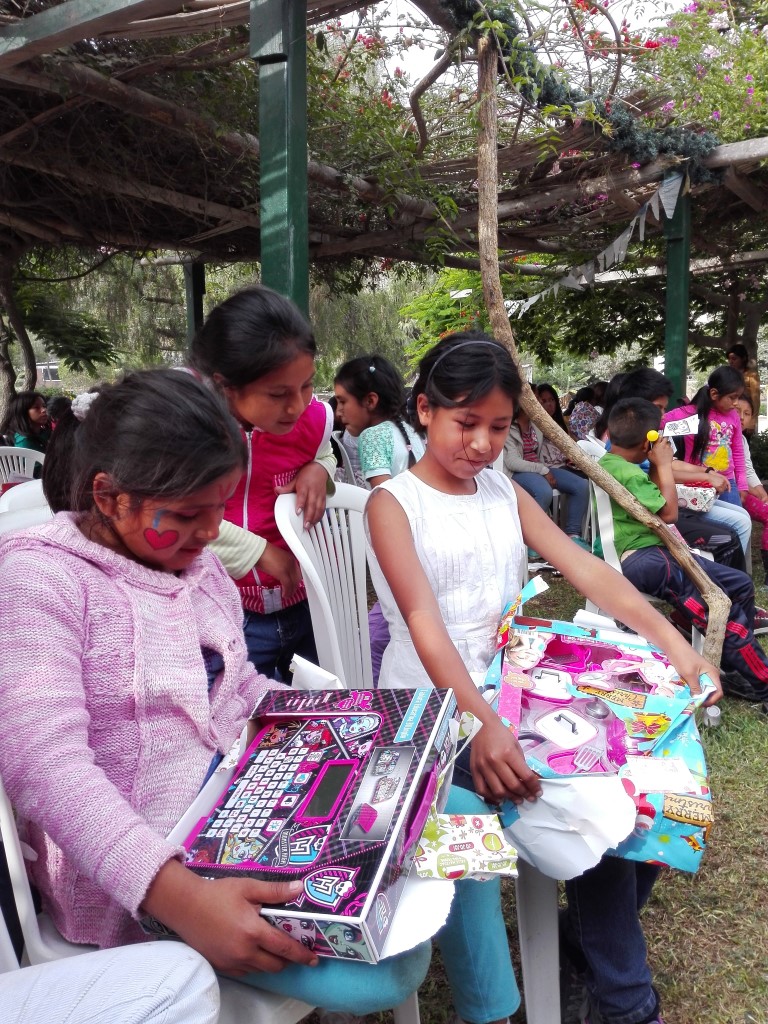
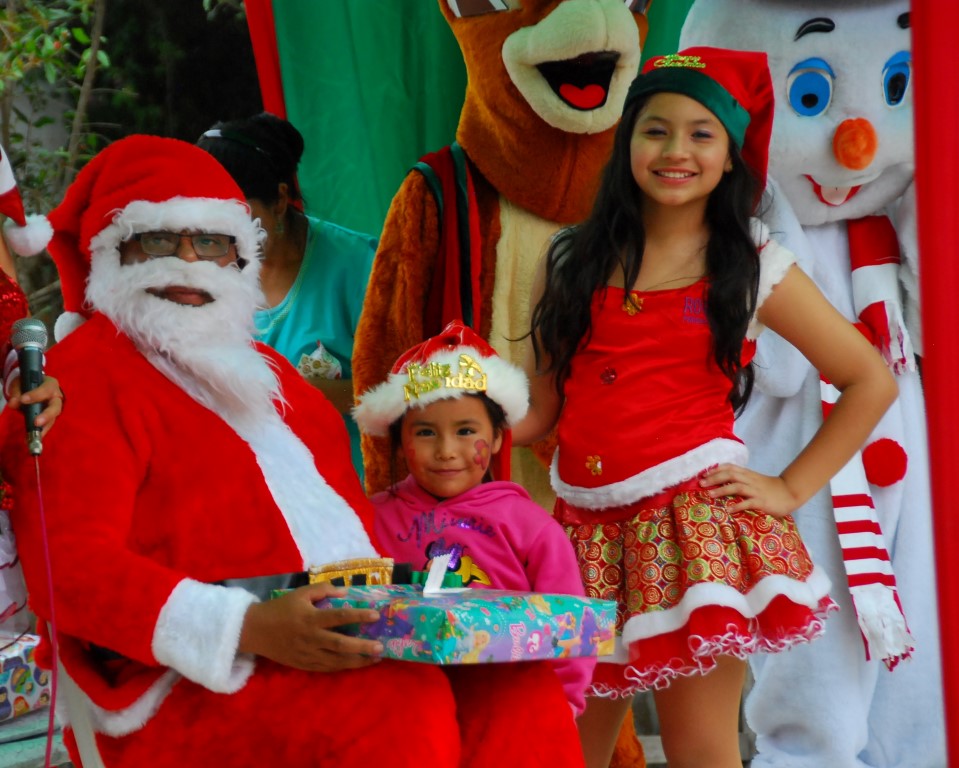
Santa and his helpers handed out the gifts and the kids’ faces said it all as they came up and collected them. These aren’t kids who have bikes, phones, playstations, or toys we took for granted growing up so the gifts were really special for them.
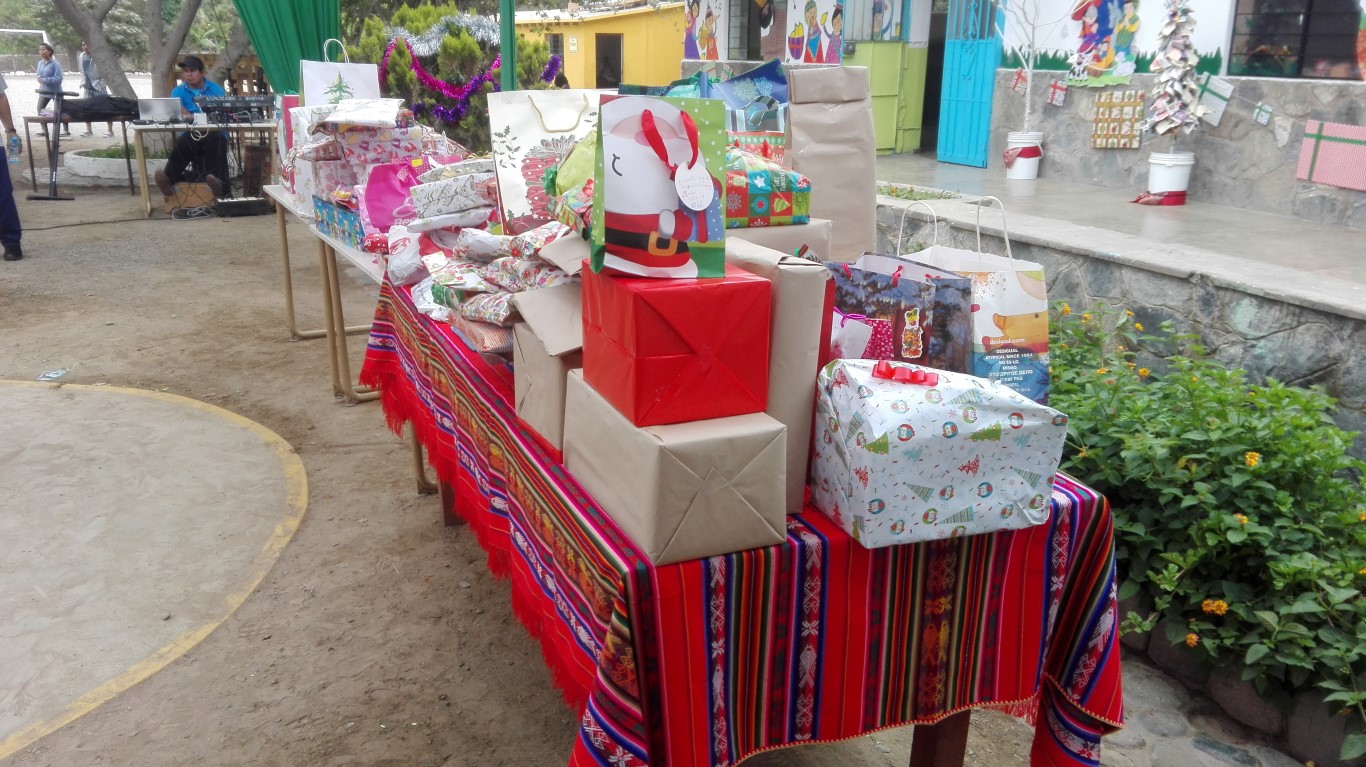
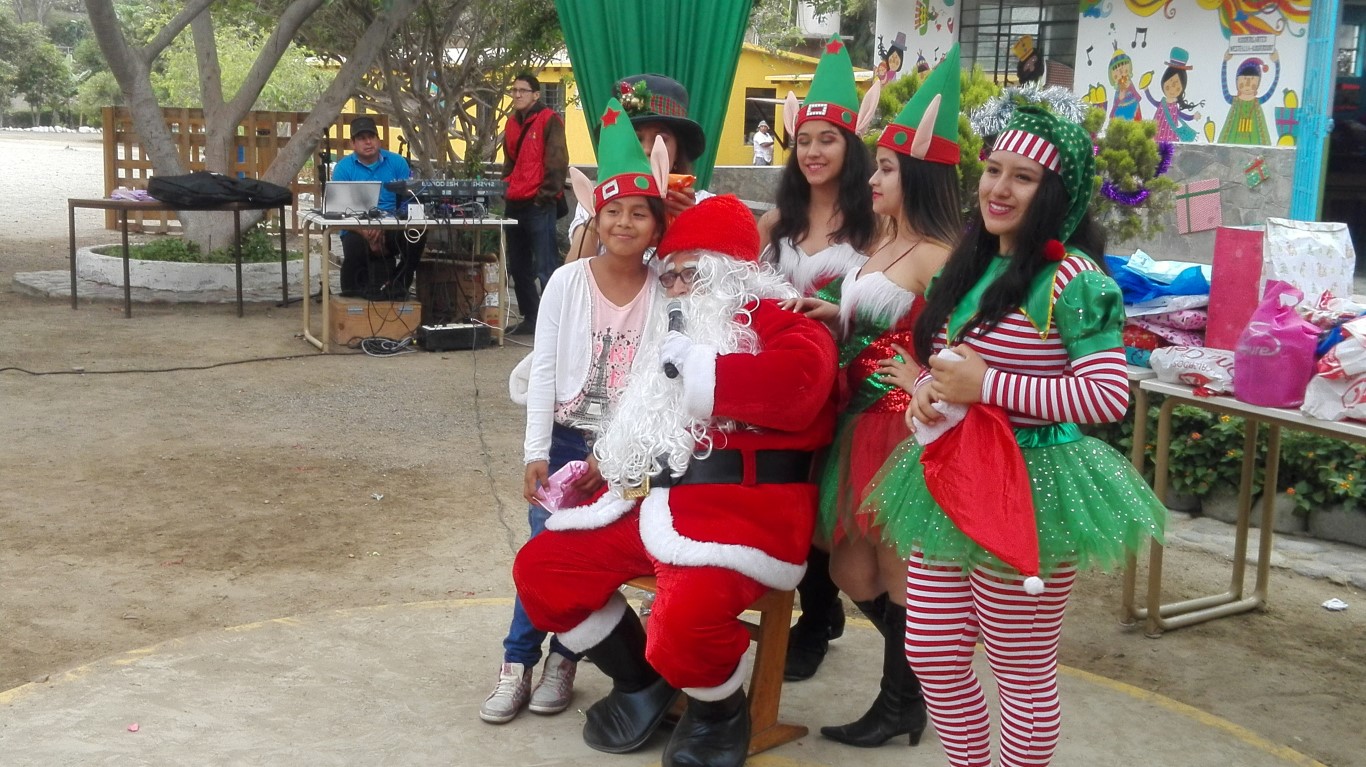
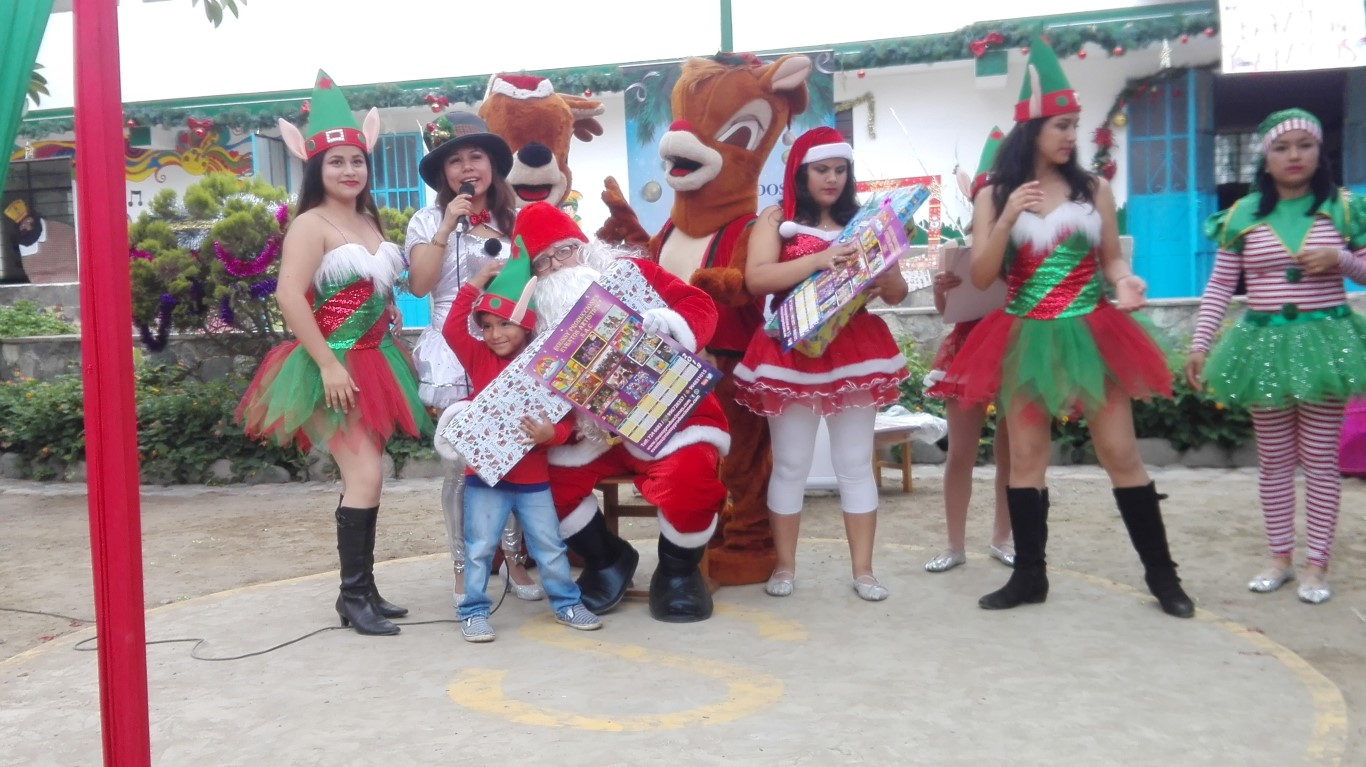
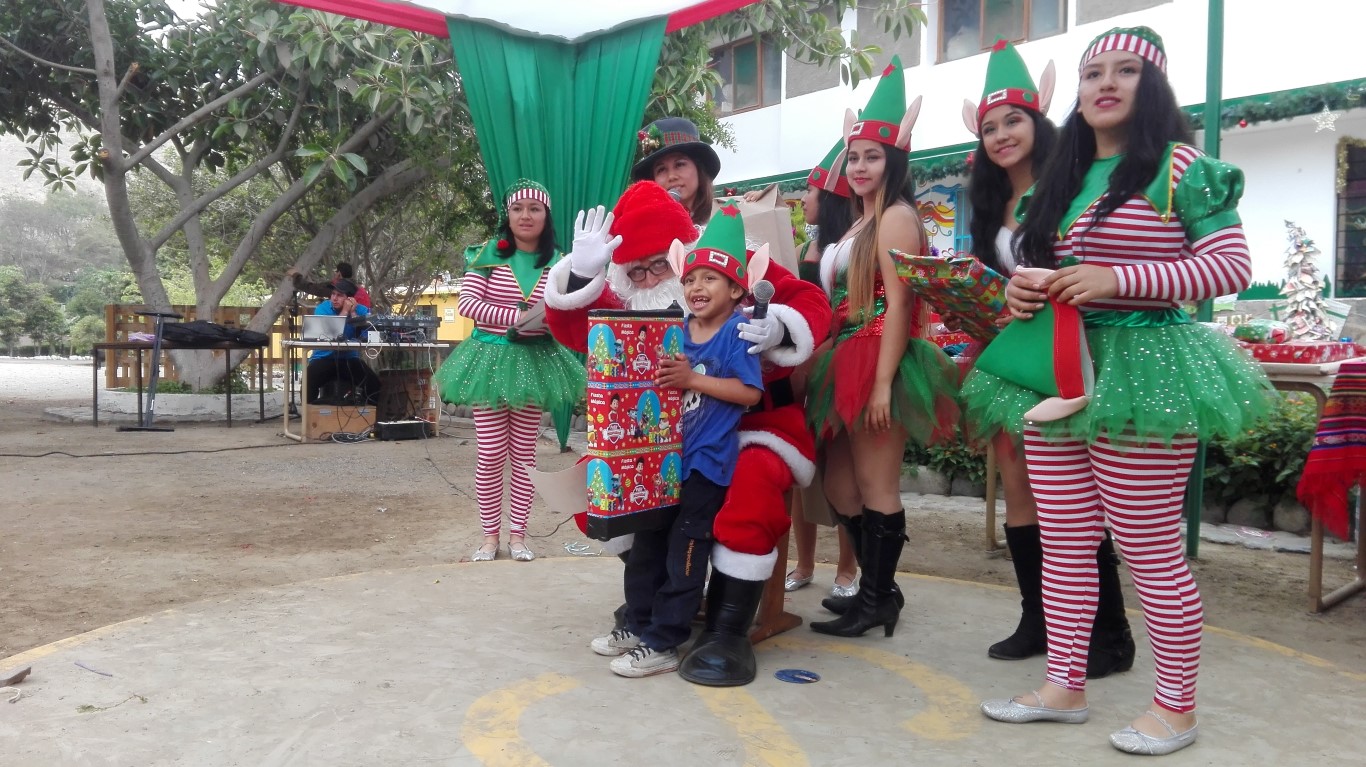
As well as those who got involved in the gift process I’d like to thank those that came out and spent time with the children. It meant a lot to them to spend such a great day with good people. And of course to everyone who got involved with the gifts.
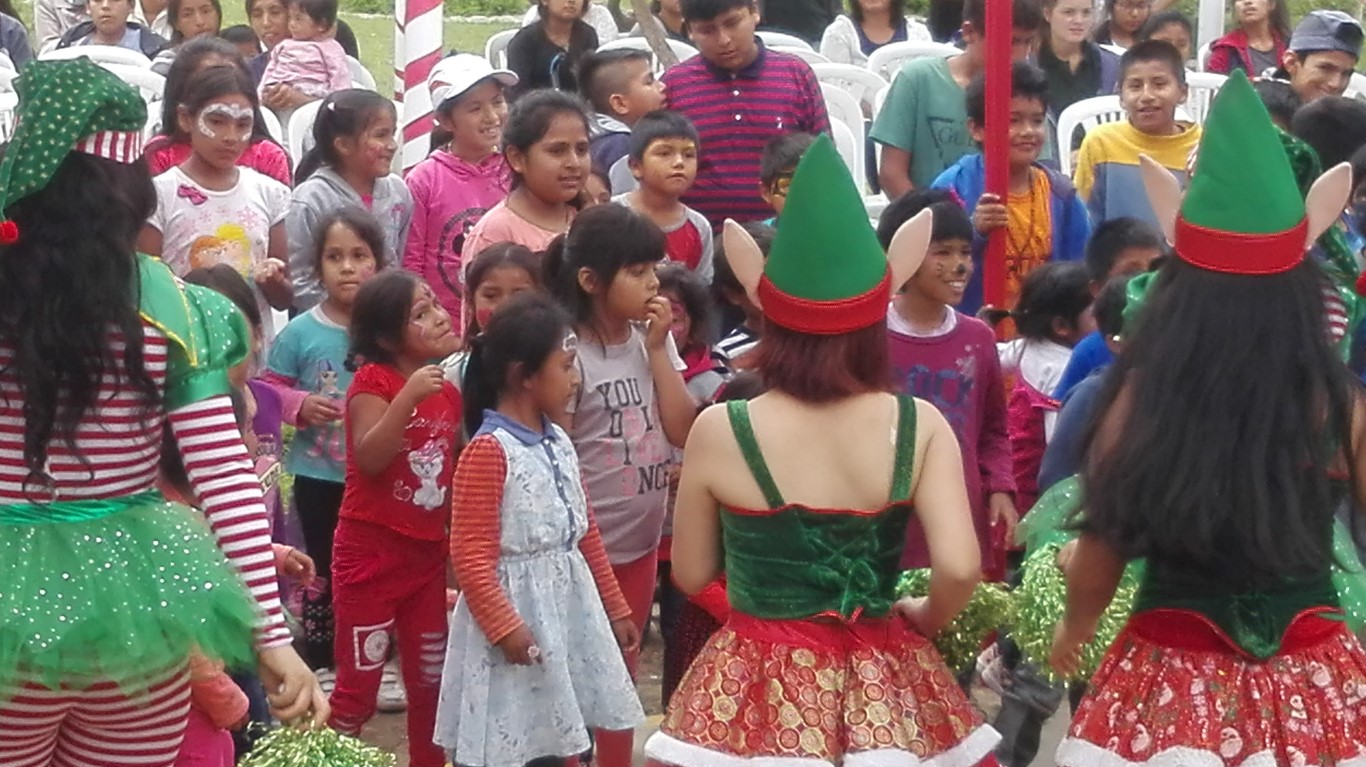
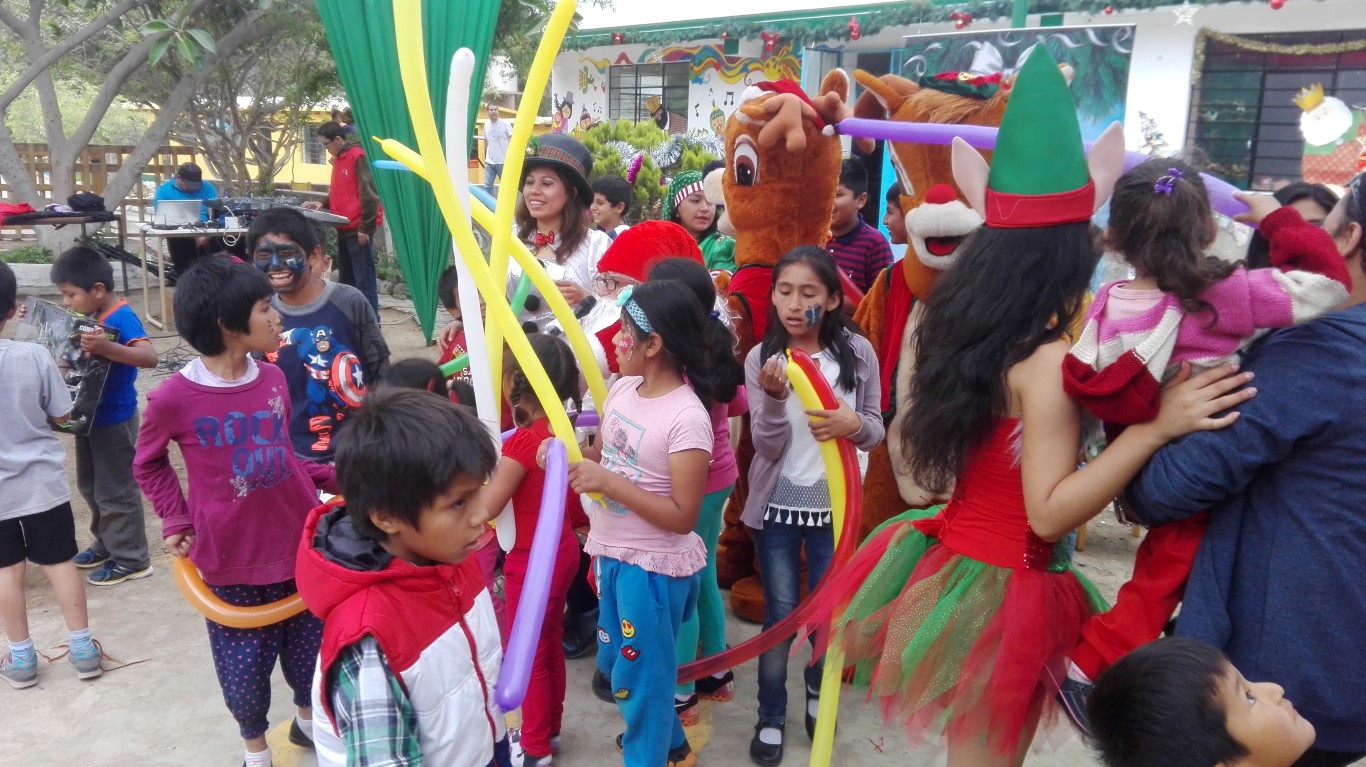
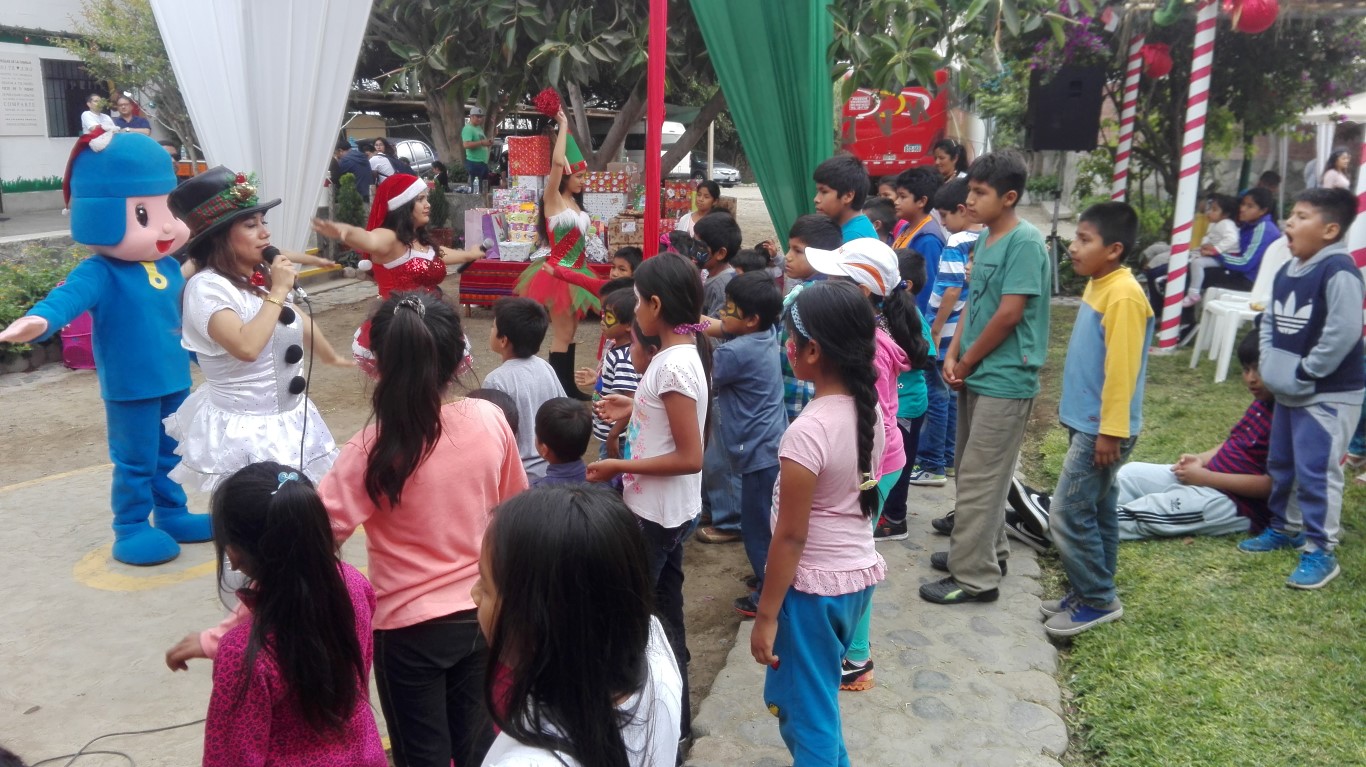
A big thank you to those who have helped us make this event so special, especially Carlo, Silvia and the team at TCI Peru as well as the Sean and family for the turkeys! And thank you to all those who have donated funds, food, clothes, and their time over the year to these amazing children. For over 8 years now I have personally seen amazing changes in these children. They all come from terrible situations whether it be abuse, abandonment, from the streets, or simply that their families cannot afford to care for them. They come from all parts of Peru to join this big family. And they continually grow in character from shy and reserved children into loving, confident, caring, empathetic teenagers and adults. And this doesn’t occur simply from dropping off food or clothes but from constant contact and letting them know that people do care about them, and that they are worthwhile. And the children are well aware of the global help they receive and constantly ask about the people and countries that contribute. So thank you for making a difference in the lives of others, so far away.
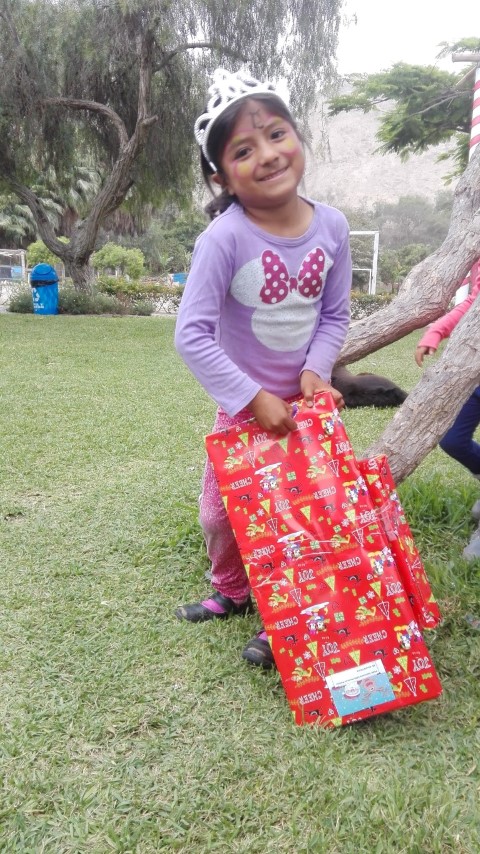
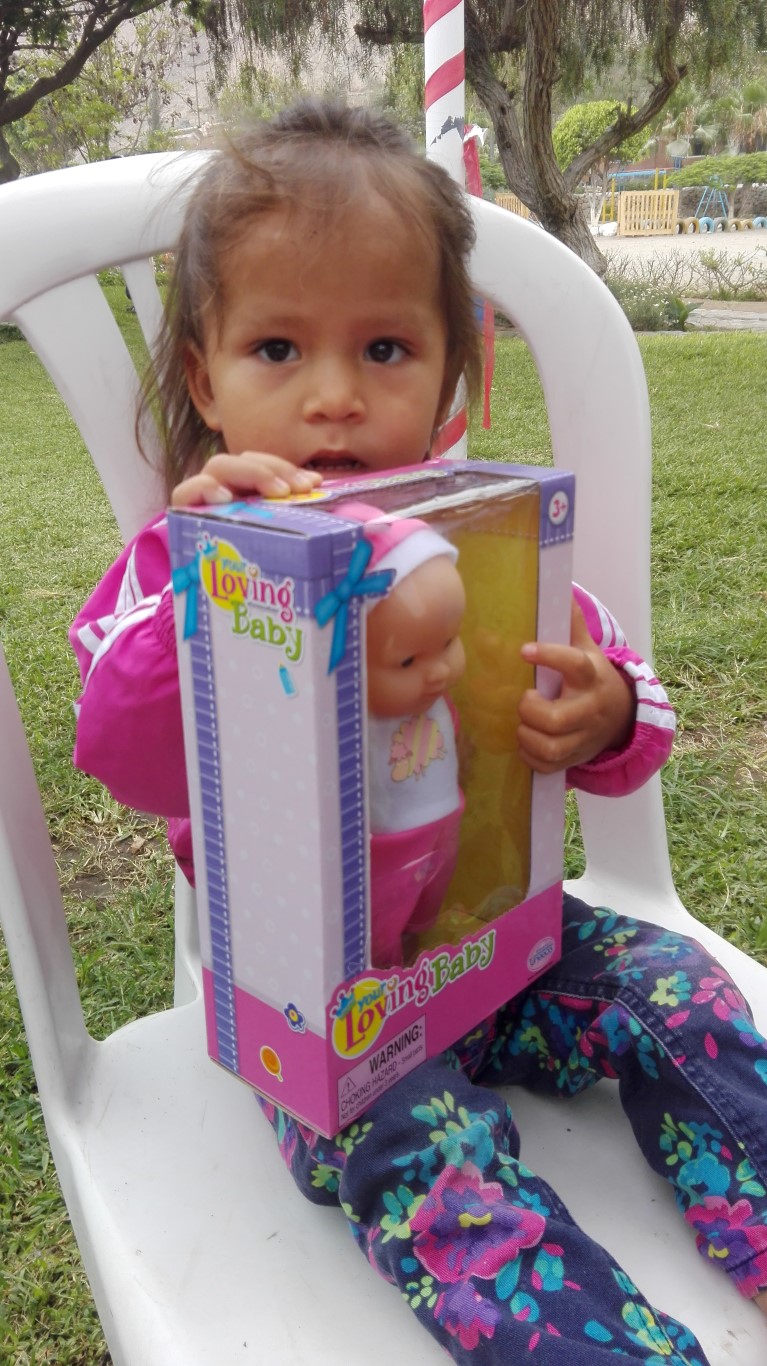

Sonrisasenperu has important projects coming up for 2018 including assisting in the upgrading of the children’s 25+ year old accommodation. And of course we will continue to provide food and clothing for the 120+ orphans at Westfalia as well as other rural children in need.
If you want to help out you can send a donation or simply spread the word by copying this post onto your facebook or twitter.
Thanks for helping to make a difference!
Please enjoy some of the photos from the Christmas party below.
gap 5
Another huge thank you to Mr Earle and the Spanish class students from Punahou High School, in Honolulu, Hawaii, for yet another amazing project; writing and illustrating children’s books for the children of Westfalia Orphanage.
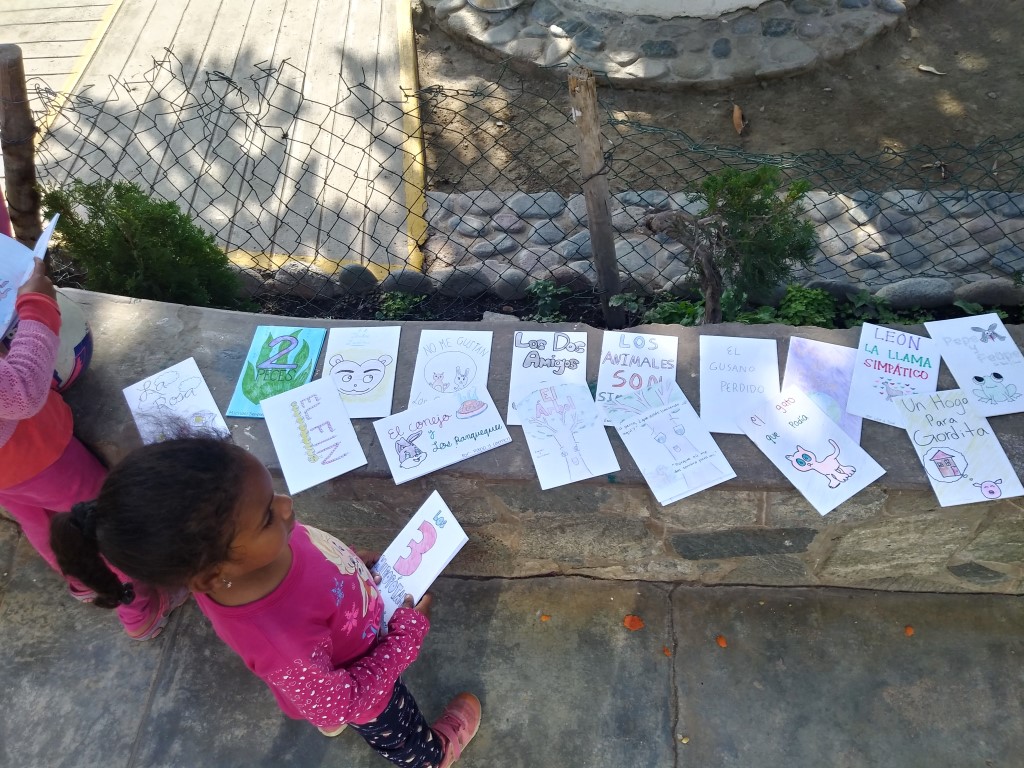
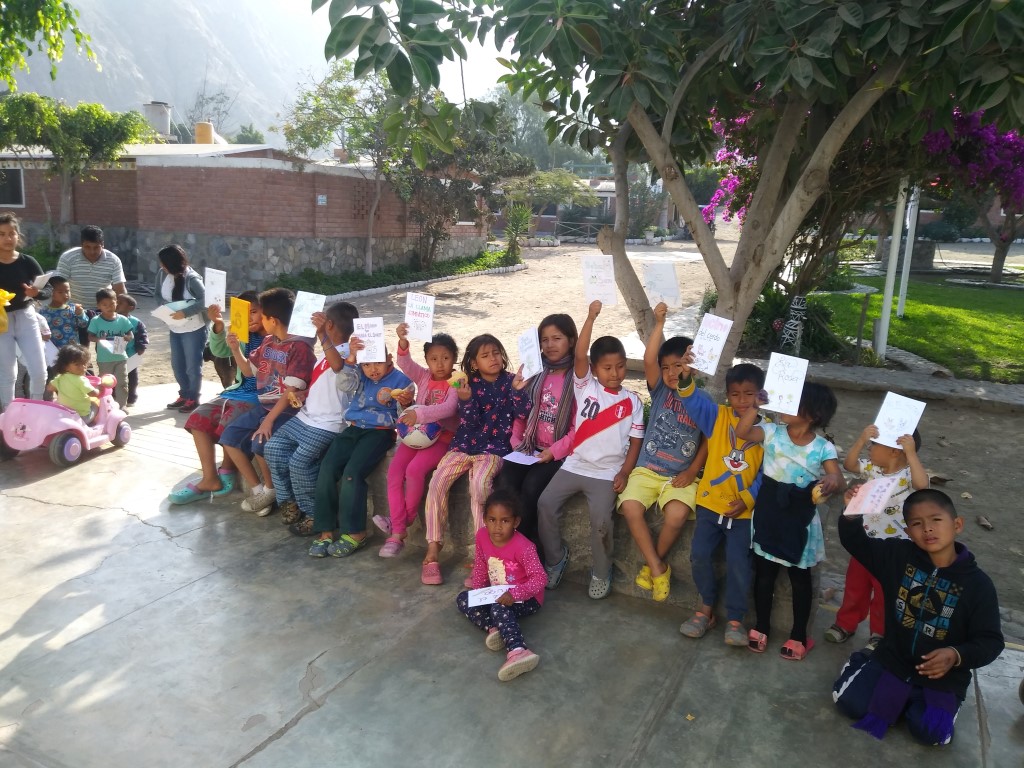
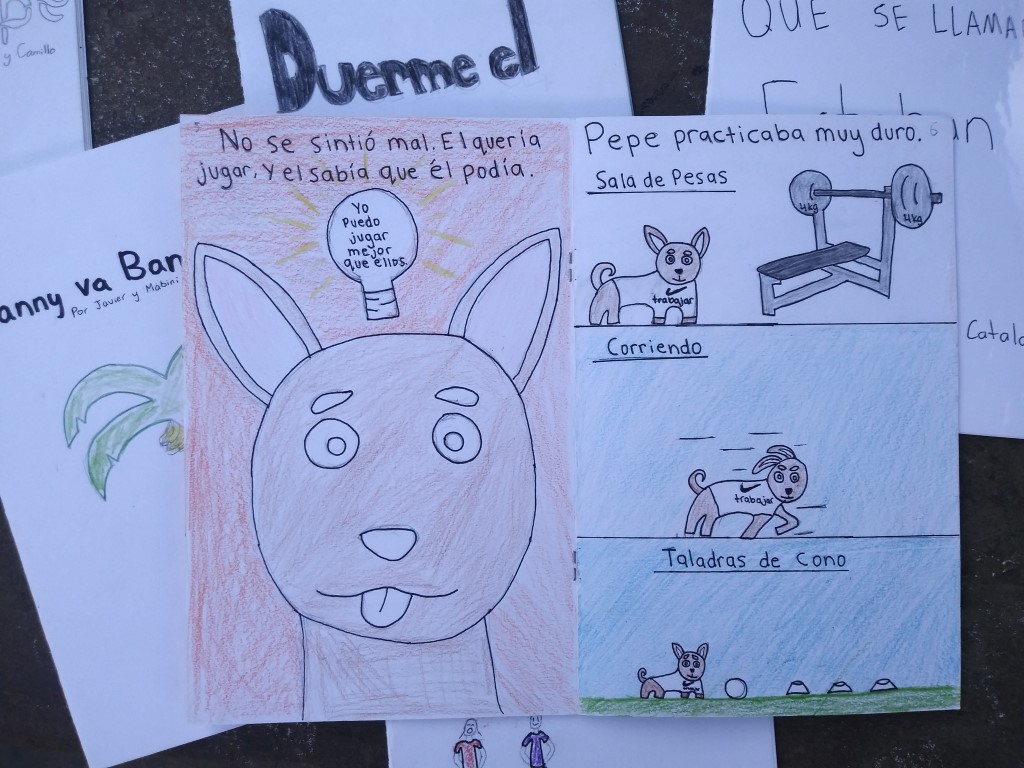

His students are learning Spanish and part of the course was a project to create these incredible children’s books. Mr Earle sent them from Hawaii all the way to Peru and they were handed out to the kids of Westfalia Orphanage. As you can see by some of the photos they were a hug hit!
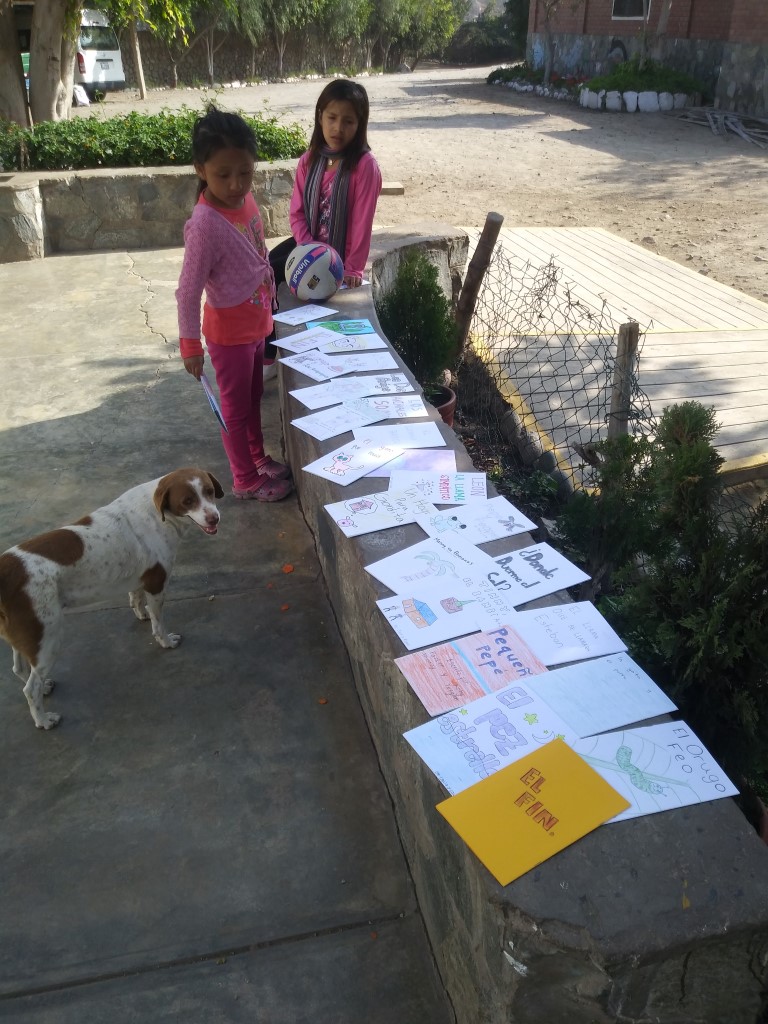
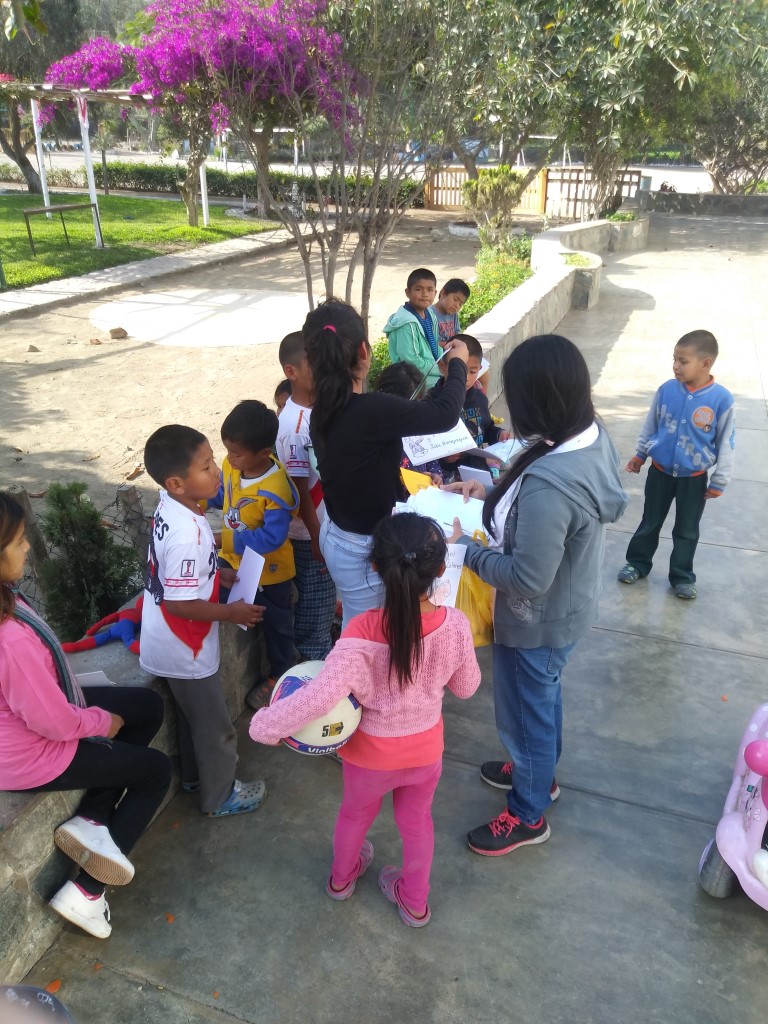
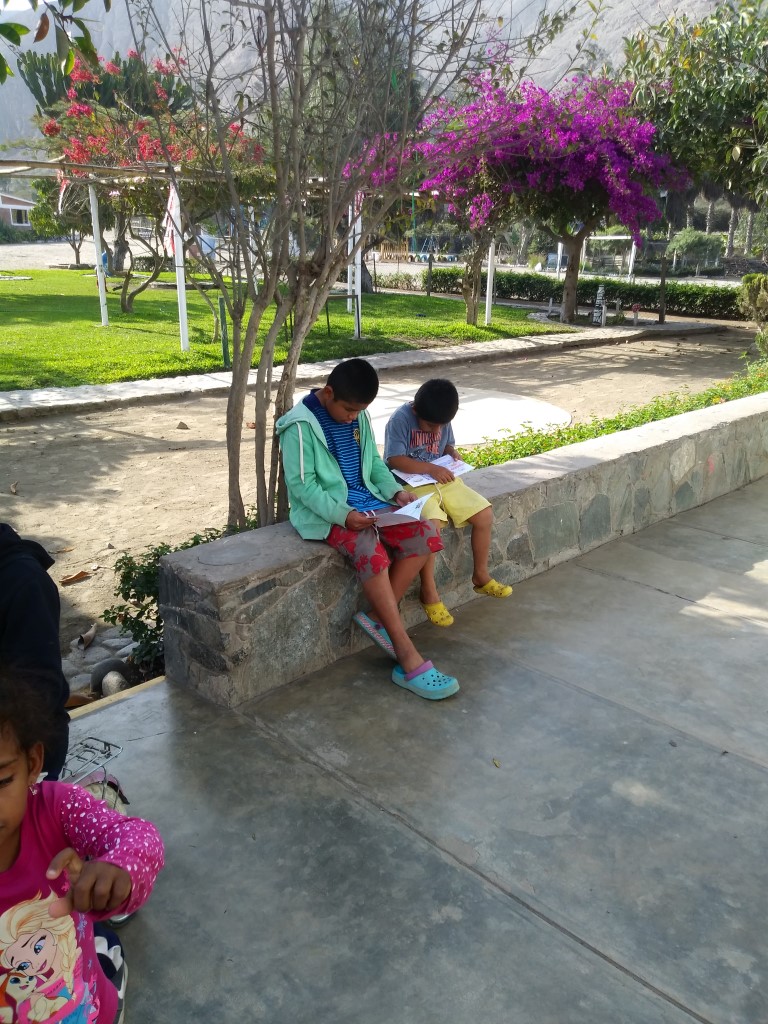

The students really put a lot of effort in and we really appreciate it. You may recall that Punahou High School have done this kind act before, in 2015!
https://sonrisasenperu.org/2015/07/hawaiis-punahou-high-school-project-for-our-kids//
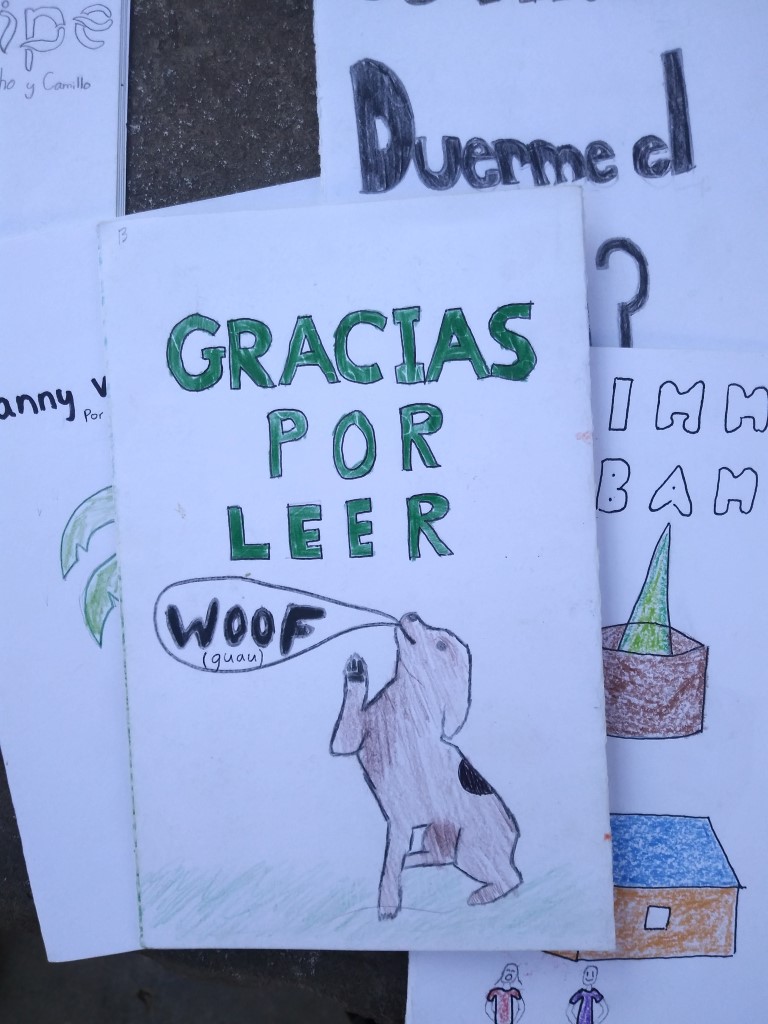

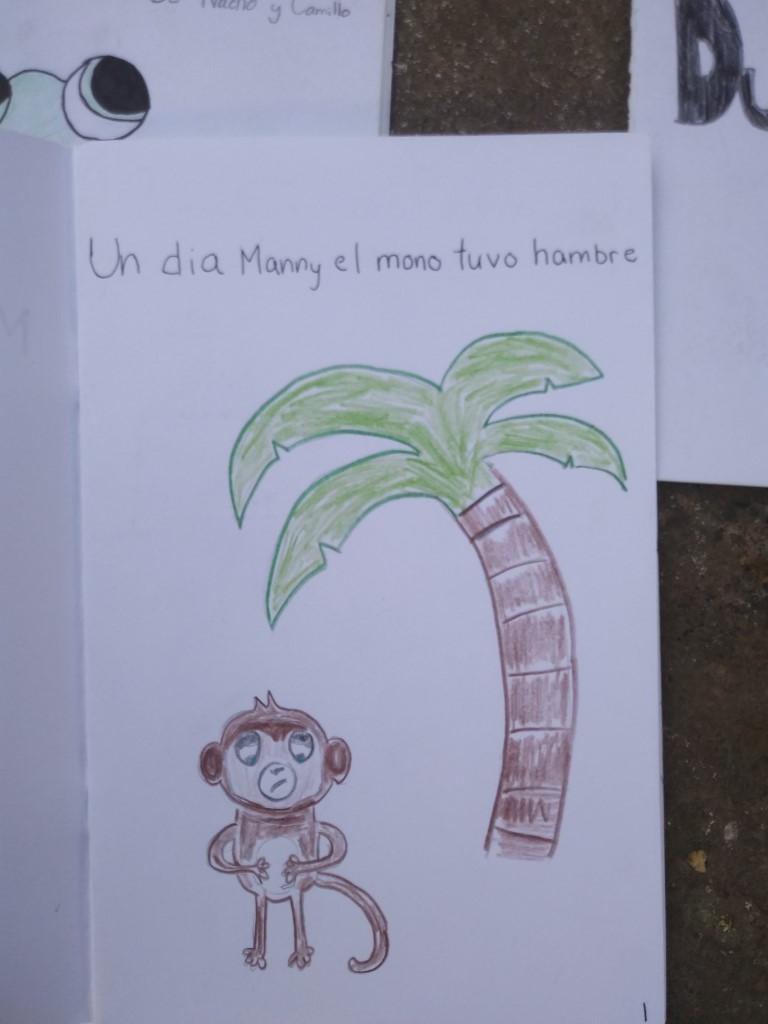
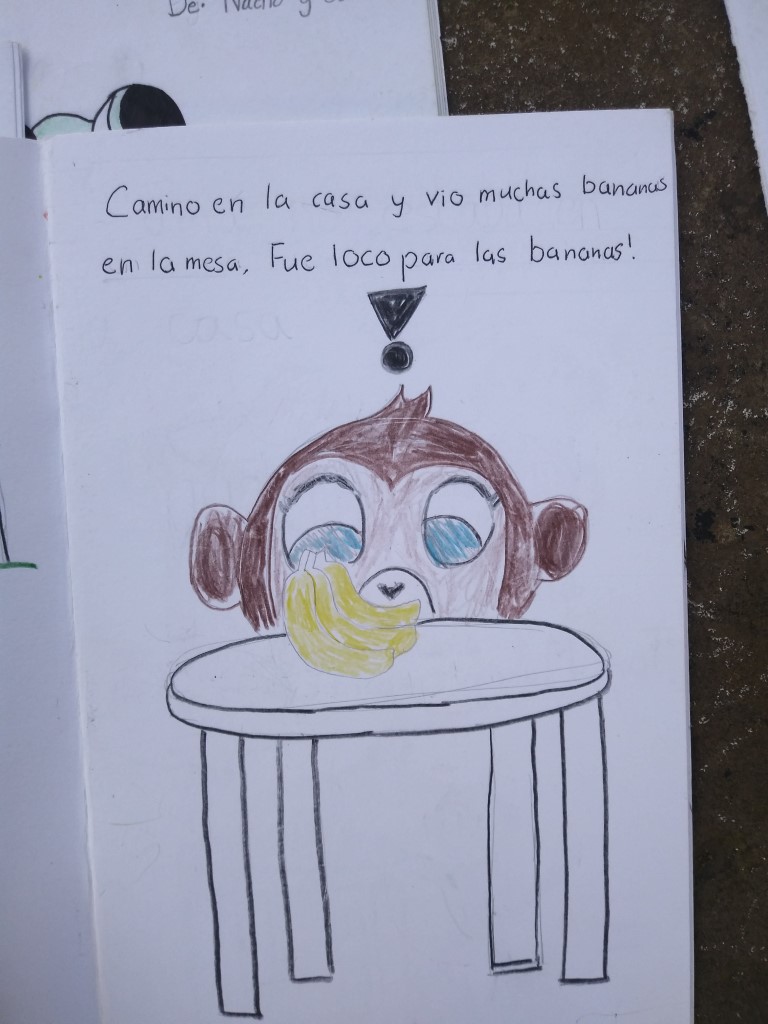
Thanks so much for your wonderful effort guys!
8th annual Sonrisasenperu.org Christmas party
On Saturday, 16 December 2017 we’re hosting our 8th annual Sonrisasenperu Christmas party for the 120+ children of Westfalia Orphanage in Peru. We’re looking for a little help to make it happen.
The kids come from broken, abusive homes, abandonment or their families gave them up because they simply don’t have the money to take care of them. These kids don’t have electronics games, bikes, or televisions. They don’t go to the cinema on a Saturday night or enjoy trips away with family. There are 4 or 5 children per room and there are 12-15 children per ‘house’. They live in an orphanage in the mountains of Cieneguilla in the mountains outside of Lima and will be spending Christmas alone, without family. So we want to brighten up their Christmas and help them to experience a happy, loving time.

What’s happening?
We are aiming to get 2 gifts for each of the 120+ children. We’ll also be providing a traditional turkey lunch, snacks, drinks, and dessert. We’re going to have lots of games, competitions, and prizes. There will also be a live show for the kids which includes singing, dancing and of course, Santa handing out the gifts! Oh yeah, and we’ll be providing lots of fun!
… BUT we really need your help!


Donations have helped us provide many things for the orphanage over the years, including a permanent, industrial water filter which cleans river and well-water when the kids were drinking dangerously polluted water which didn’t meet World Health Organisation standards. Your donations helped to renovate one of the childrens’ 25 year old houses to meet new government requirements. You helped fund a new industrial stove to replace a gas-leaking, 22 year old stove as well as a load of new pots and pans. You’ve helped provide all kinds of classes over the years. You’ve helped replace broken windows and provided shoes, clothes, blankets and literally tonnes of food and essential supplies to the orphanage. But we need your help once again.
If you can help out please send us a donation. We need to make sure these kids get at least one present, a memorable turkey lunch, snacks, drinks, and games. Like always, any extra funds will go towards food and supplies, clothes, etc. The orphanage’s food stocks are always low over the Christmas break so we also want to buy food provisions such as rice, beans, potatoes, meat, eggs and milk. If you’ve never donated and been a bit hesitant…now is your chance.
If you’re here in Lima, Peru and want to donate a gift or food, please send us an email (‘Contact Us’ at the top of the page). You can also see the 2016 Sonrisasenperu Christmas party here!


Please post this on your Facebook page to help spread the word!
Thanks for helping make a difference 🙂
On Saturday December 23, 2017, we hosted the Sonrisasenperu 8th annual Westfalia Orphanage Christmas Party. It’s a very special day to show the 120+ orphans that they are loved and cared for. They get a chance to feel like regular children and enjoy Christmas. These are the same kids who don’t have individual birthday parties, but have a ‘monthly’ party with all the kids whose birthdays fall in that month. So it is always a really big deal for them. As always a really big thanks to everybody who contributed through donations, gifts, food, or their time. It was an amazing day only made possible with help from you guys!
The Christmas party has always been loads of fun and just gets better every year. As usual we had an amazing show with dancers, DJ, singing, dancing, games and prizes, face-painting, and Santa and helpers were handing out the gifts. It was such a special day for the kids that live at the remote orphanage in Cieneguilla on the outskirts of Lima, Peru.
Of course we had a huge turkey lunch. It’s extra special because the children don’t eat a lot of meat due to a lack of funds. So the event is always a lot of fun for the kids.
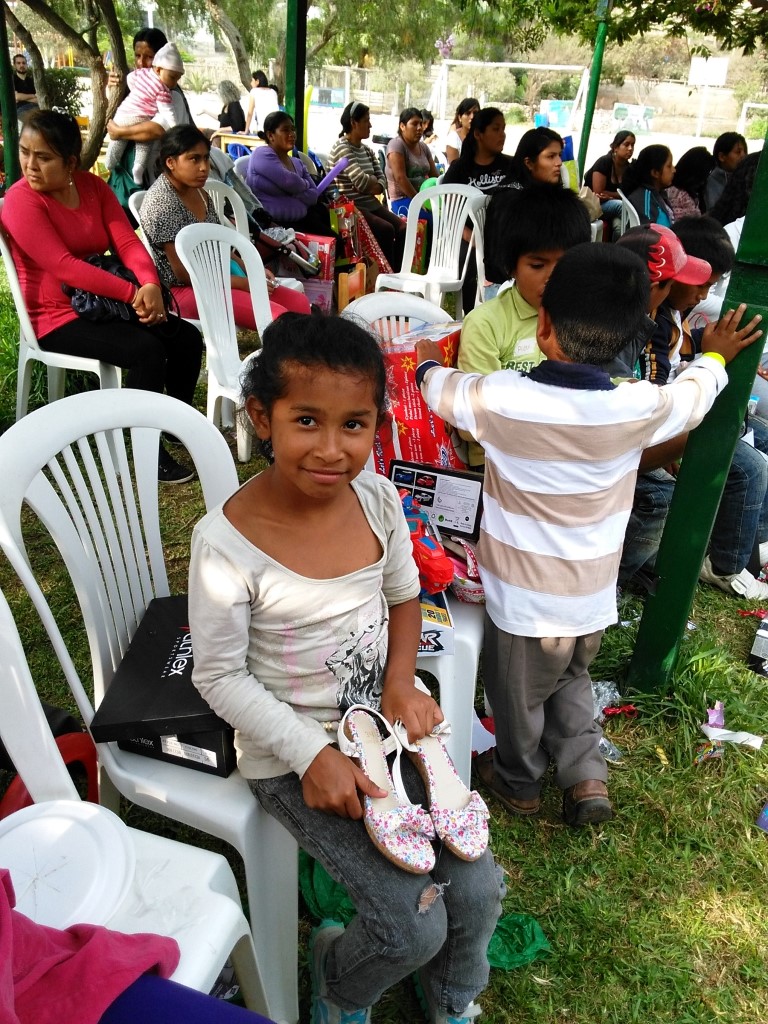
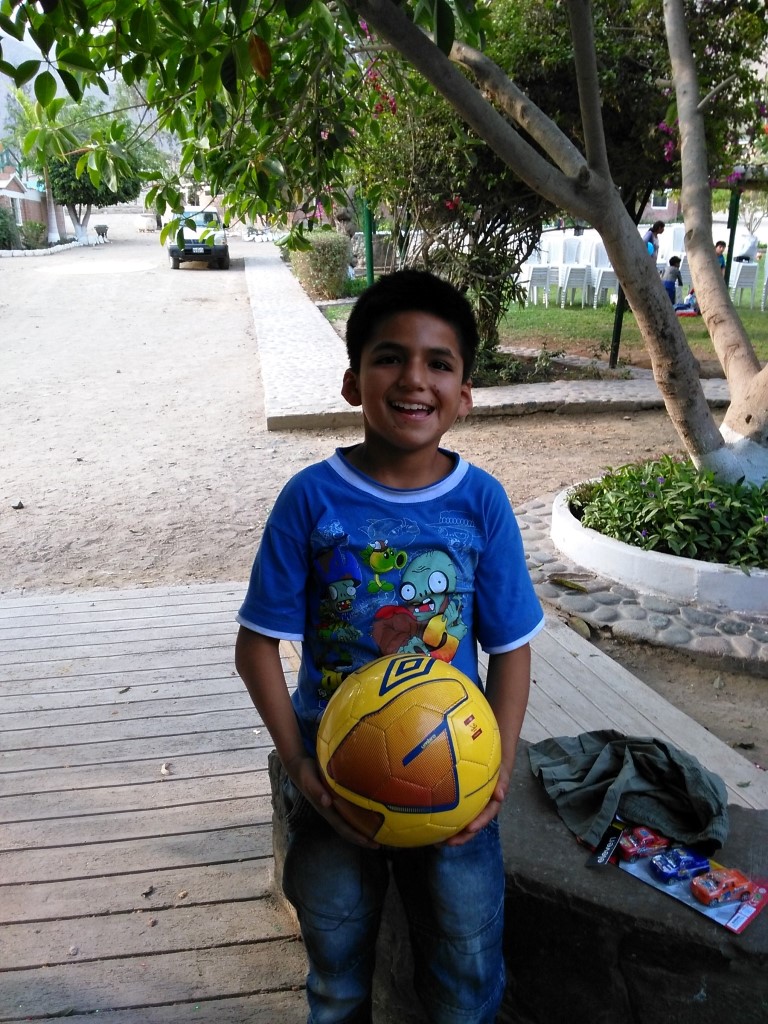
Santa and his helpers handed out the gifts and the kids’ faces said it all as they came up and collected them. These aren’t kids who have bikes, phones, playstations, or toys we took for granted growing up so the gifts were really special for them.
As well as those who got involved in the gift process I’d like to thank those that came out and spent time with the children. It meant a lot to them to spend such a great day with good people. And of course to everyone who got involved with the gifts.
A big thank you to those who have helped us make this event so special, especially Carlo, Silvia and the team at TCI Peru as well as the Sean and family for the turkeys! And thank you to all those who have donated funds, food, clothes, and their time over the year to these amazing children. For over 8 years now I have personally seen amazing changes in these children. They all come from terrible situations whether it be abuse, abandonment, from the streets, or simply that their families cannot afford to care for them. They come from all parts of Peru to join this big family. And they continually grow in character from shy and reserved children into loving, confident, caring, empathetic teenagers and adults. And this doesn’t occur simply from dropping off food or clothes but from constant contact and letting them know that people do care about them, and that they are worthwhile. And the children are well aware of the global help they receive and constantly ask about the people and countries that contribute. So thank you for making a difference in the lives of others, so far away.
Sonrisasenperu has important projects coming up for 2018 including assisting in the upgrading of the children’s 25+ year old accommodation. And of course we will continue to provide food and clothing for the 120+ orphans at Westfalia as well as other rural children in need.
If you want to help out you can send a donation or simply spread the word by copying this post onto your facebook or twitter.
Thanks for helping to make a difference!
Please enjoy some of the photos from the Christmas party below.
gap 5
Hello friends. As you’ve probably heard there are disastrous floods in Peru at the moment, the worst in 30 years due to El Niño. At least 75 people have died and the floods have directly affected half the country with 800 towns and cities declaring a state of emergency. More than 70,000 people have lost their homes as Peru’s rainy season has delivered 10 times as much rainfall than usual. Infrastructure damages have also been reported, at least 8 hospitals have been destroyed by flooding and 16 others are uninhabitable.
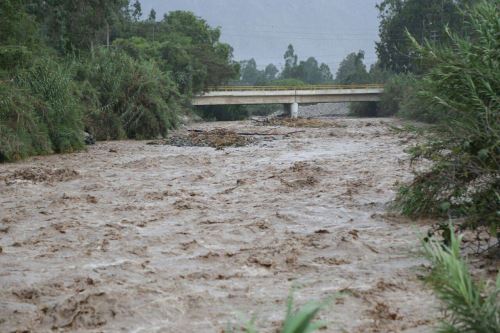
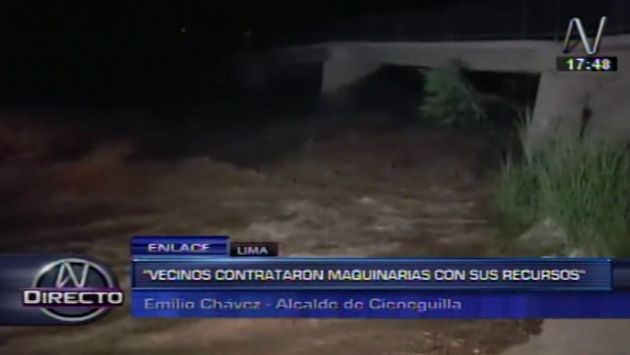
Westfalia Orphanage, and the 130 children, has been directly affected with the only road washed completely away with no foreseeable timeline as to when it can be repaired. The ONLY physical access to the orphanage is a footbridge which is expected to collapse if the floods continue (the video below shows the Lurin River which runs close to the orphanage. The footbridge I mentioned can be seen at 1:30 IN THE VIDEO BELOW). This would leave the orphanage completely isolated. So we’re racing to get supplies across the footbridge before it collapses. We need G-size diapers, milk, rice, flour, yeast, toilet paper, hygienic towels, menestras, tuna and other preserves. If you can help out please send us a donation
If you are in Lima and wish to help please send a message. Feel free to share this page. Thank you!! And I’ll keep you all updated.
7th annual Sonrisasenperu.org Christmas party
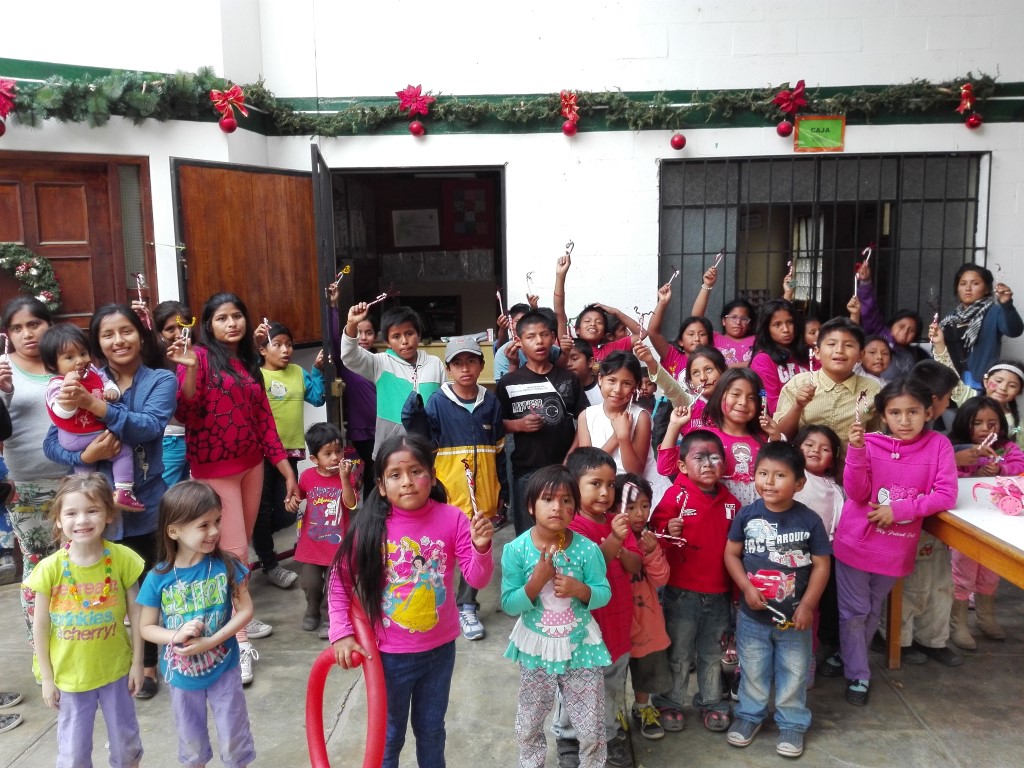
On Saturday, December 17 we’re hosting our 7th annual Sonrisasenperu Christmas party for the 125+ children of Westfalia Orphanage in Peru. We’re looking for a little help to make it happen.
The kids come from broken, abusive homes, abandonment or their families gave them up because they simply don’t have the money to take care of them. These kids don’t have electronics games, bikes, or televisions. They don’t go to the cinema or enjoy trips away with family. There are 4 or 5 children per room and there are 14-18 children per ‘house’. They live in an orphanage in the mountains of Cieneguilla on the edge of Lima and will be spending Christmas alone, without family. So we want to brighten up their Christmas and help them to experience a happy, loving time.
What’s happening?
We are organizing 2 gifts for each of the 125+ children. We’ll also be providing a huge lunch, snacks, drinks, and dessert. We’re going to have lots of games, competitions, and prizes. There will also be a live show for the kids which includes singing, dancing and of course, Santa handing out the gifts! Oh yeah, and we’ll be providing lots of fun!
… BUT we really need your help!
Donations have helped us provide many things for the orphanage over the years, including a permanent, industrial water filter which cleans river and well-water when the kids were drinking dangerously polluted water which didn’t meet World Health Organisation standards. Your donations helped to renovate the childrens’ 25 year old houses to meet new government requirements. You helped fund a new industrial stove to replace a gas-leaking, 22 year old stove as well as a load of new pots and pans. You’ve helped provide all kinds of classes over the years. You’ve helped replace broken windows and provided shoes, clothes, blankets and literally tonnes of food and essential supplies to the orphanage. But we need your help once again.
If you can help out please send us a donation. We need to make sure these kids receive gifts, a memorable lunch, snacks, drinks, and games. Like always, any extra funds will go towards food and supplies, as well as summer activities such as swimming lessons, day trips, etc. The orphanage’s food stocks are always low over the Christmas break so we also want to buy food provisions such as rice, beans, potatoes, meat, eggs and milk. If you’ve never donated and been a bit hesitant…now is your chance.


If you’re here in Lima, Peru and want to donate a gift or food, please send us an email (‘Contact Us’ at the top of the page). You can also see the 2015 Sonrisasenperu Christmas party here!
Please post this on your Facebook page to help spread the word!
Thanks for helping make a difference 🙂
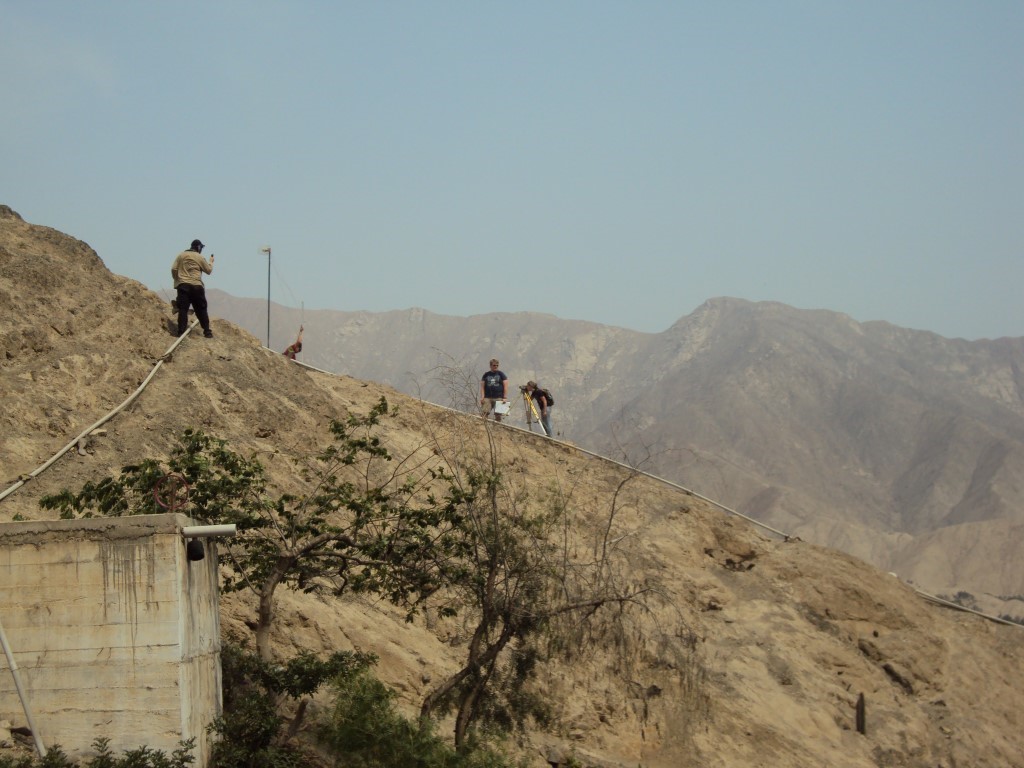
2016 saw a lot more work on the Water Project. While we helped organize the new water filter to provide a clean water point to stop the kids drinking the heavily polluted river water, the kids were still using the polluted water for showering, washing, brushing their teeth, etc. According to U.N. standards, this water was even too polluted for simple skin contact. So the goal is to provide clean water to all 7 houses at the orphanage (currently there is only one point at the main kitchen), install new water tanks, replace old, damaged and unclean pipes, provide a fire-fighting capability including fire hydrants and hose with reach to all buildings and build a fruit tree orchid and the water tanks to sustain them in the months where there is little or no water.
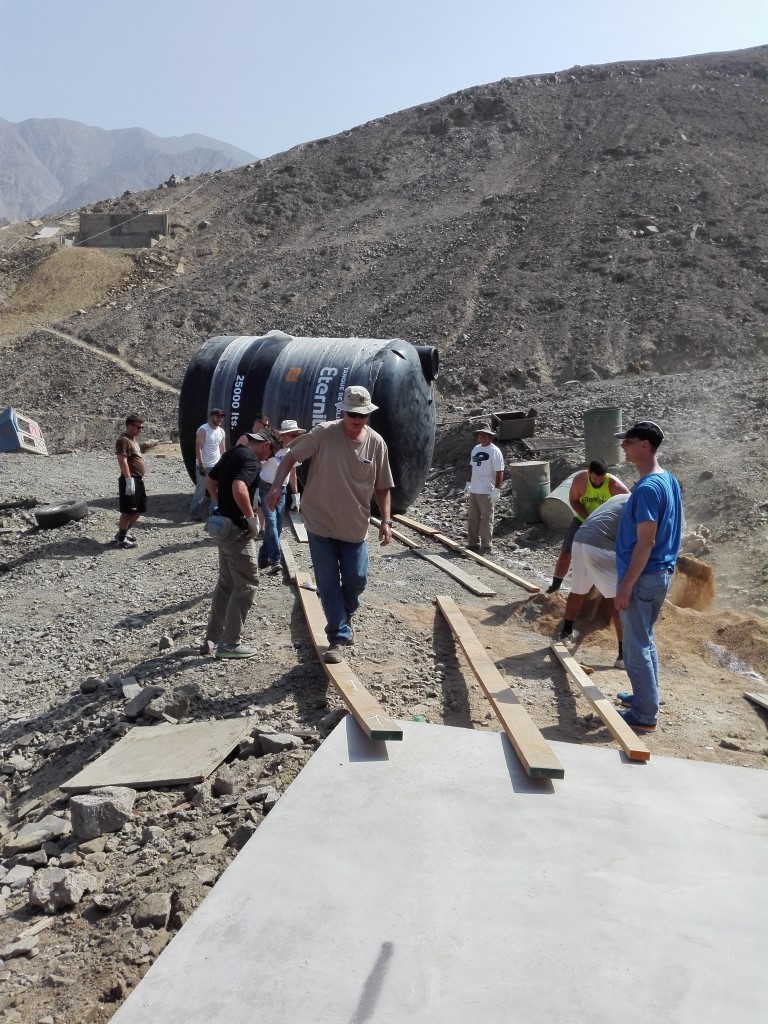
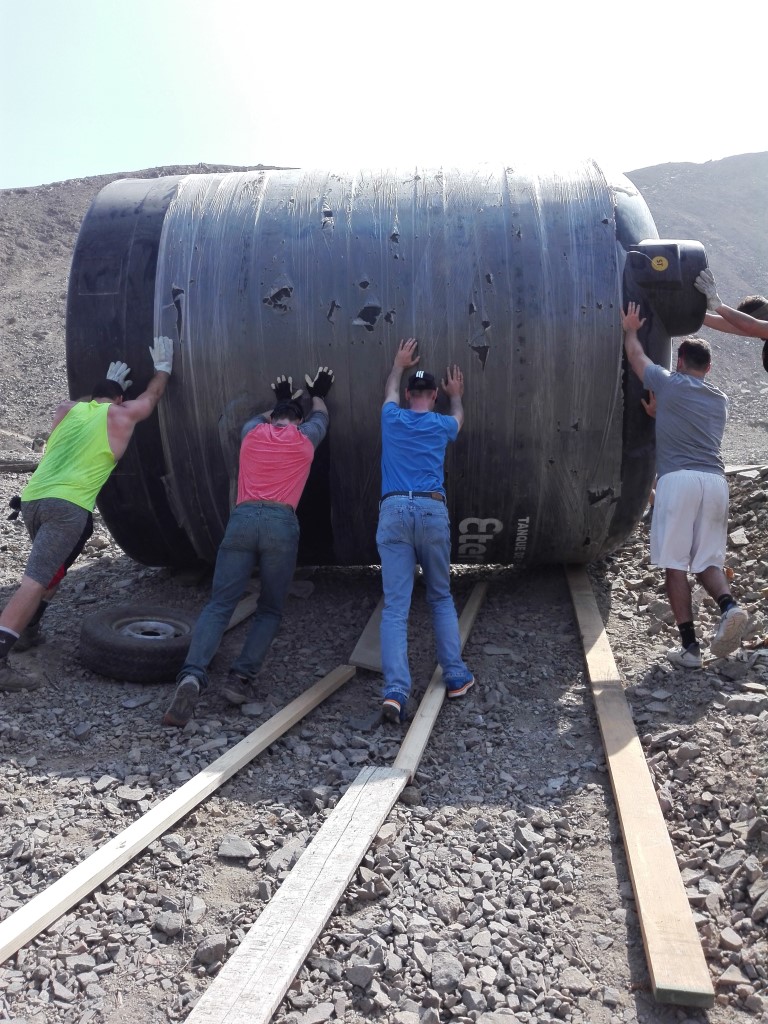
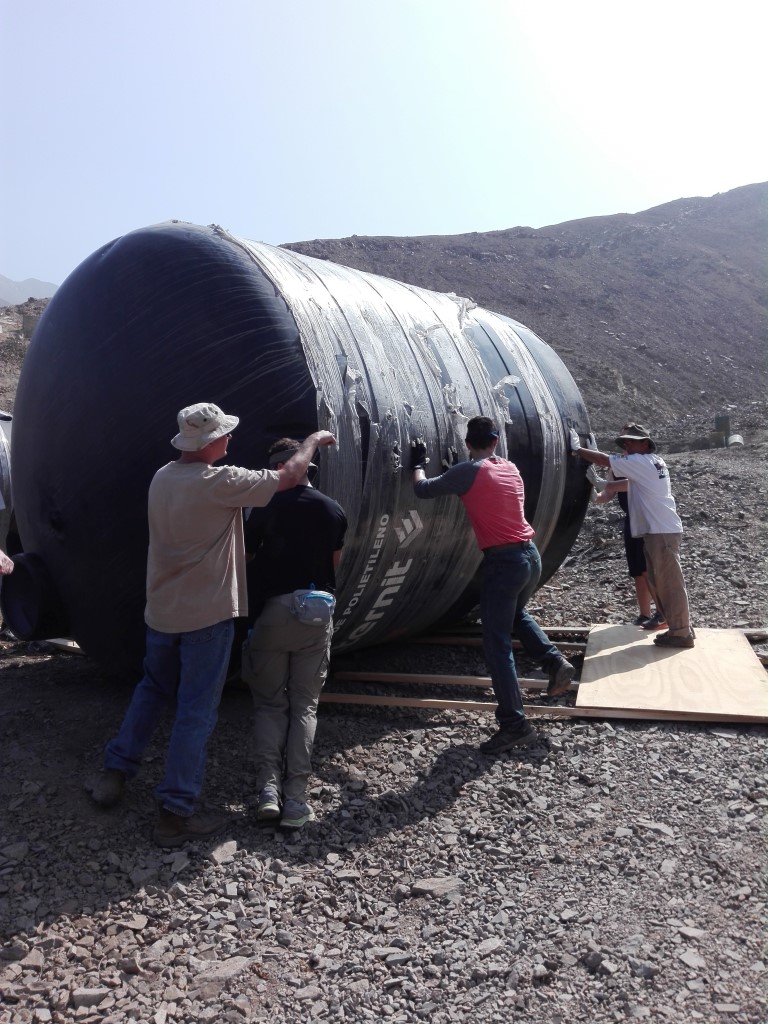
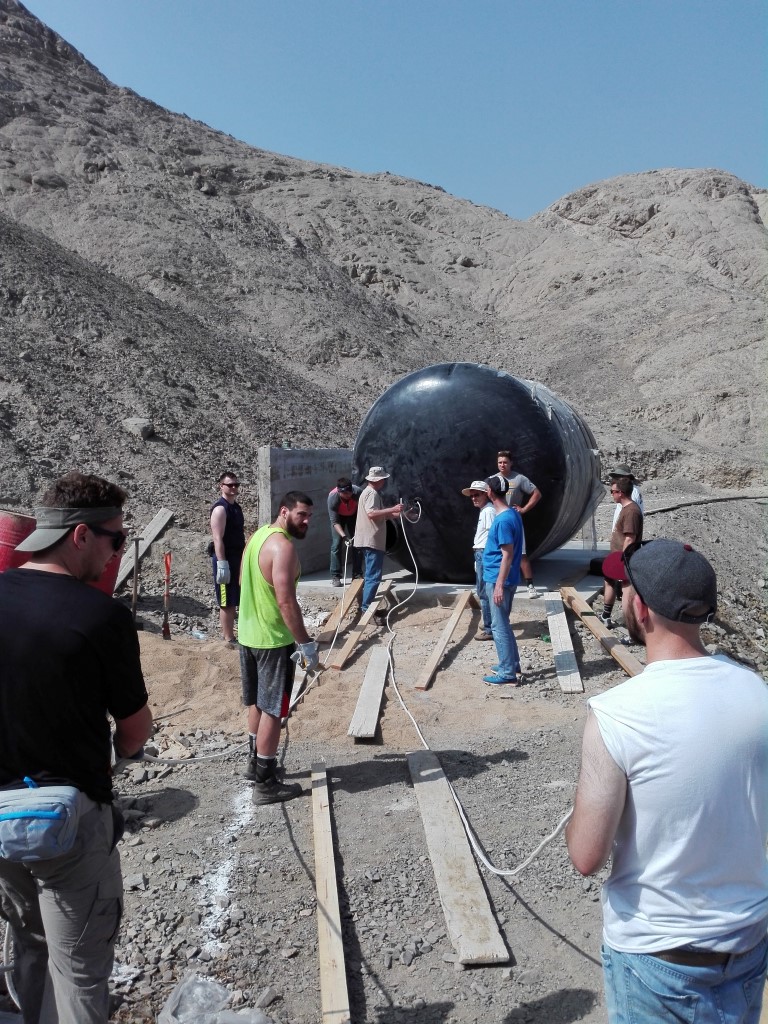
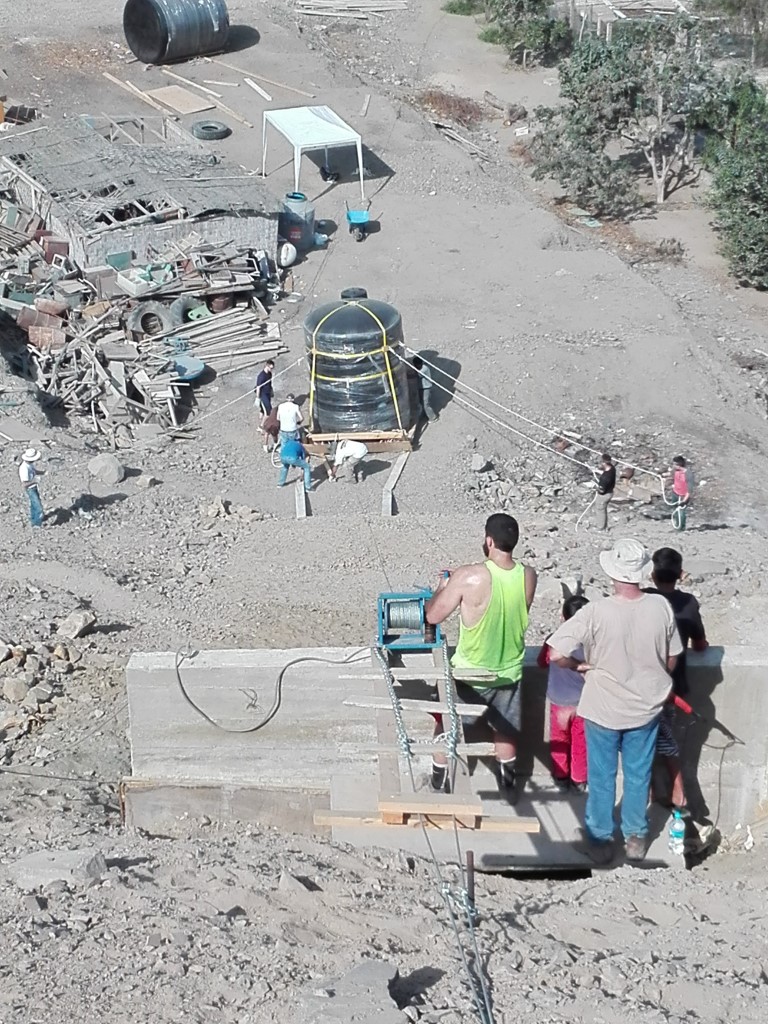
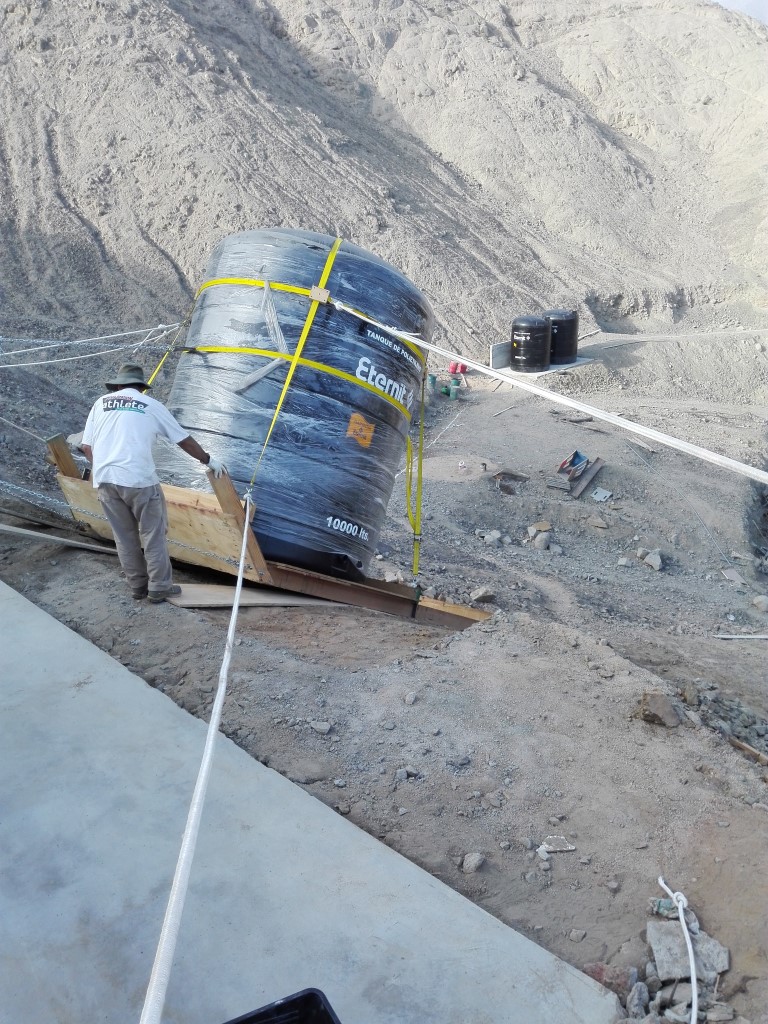
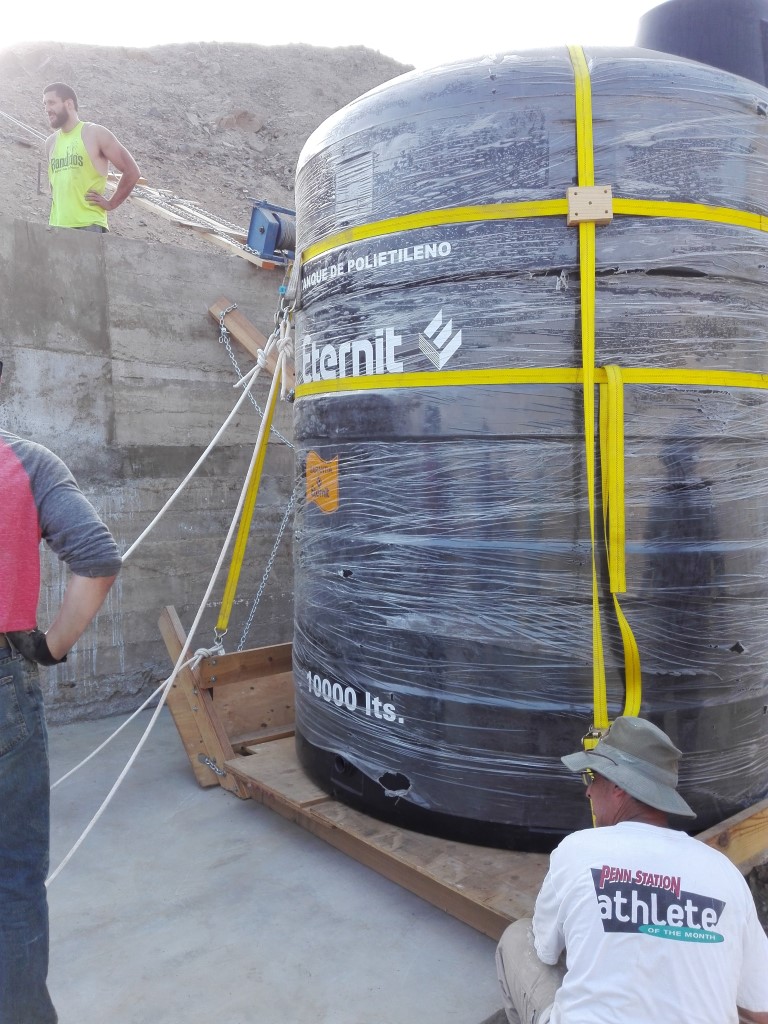
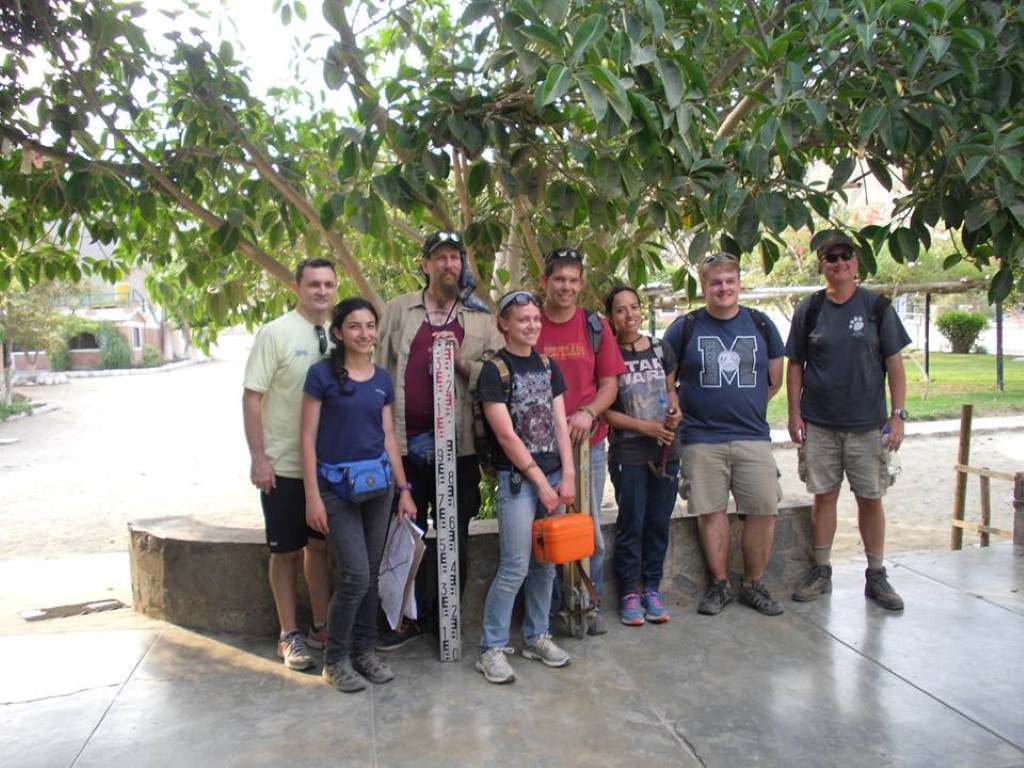
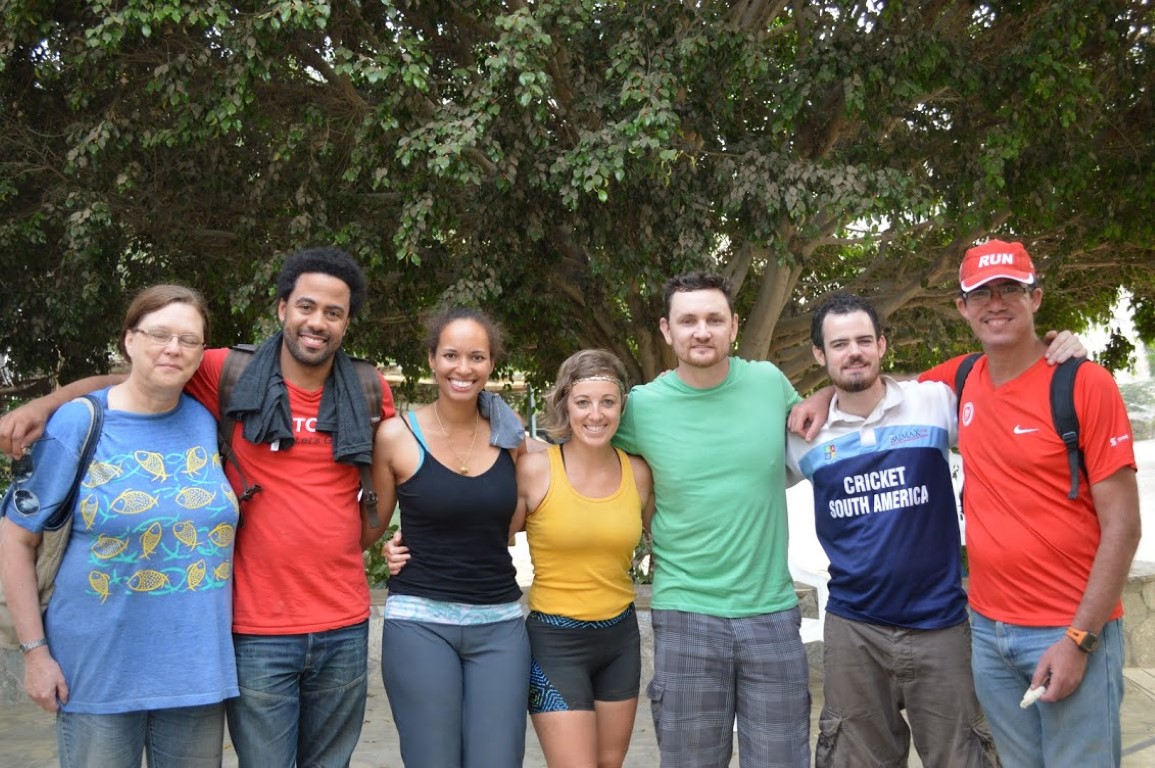
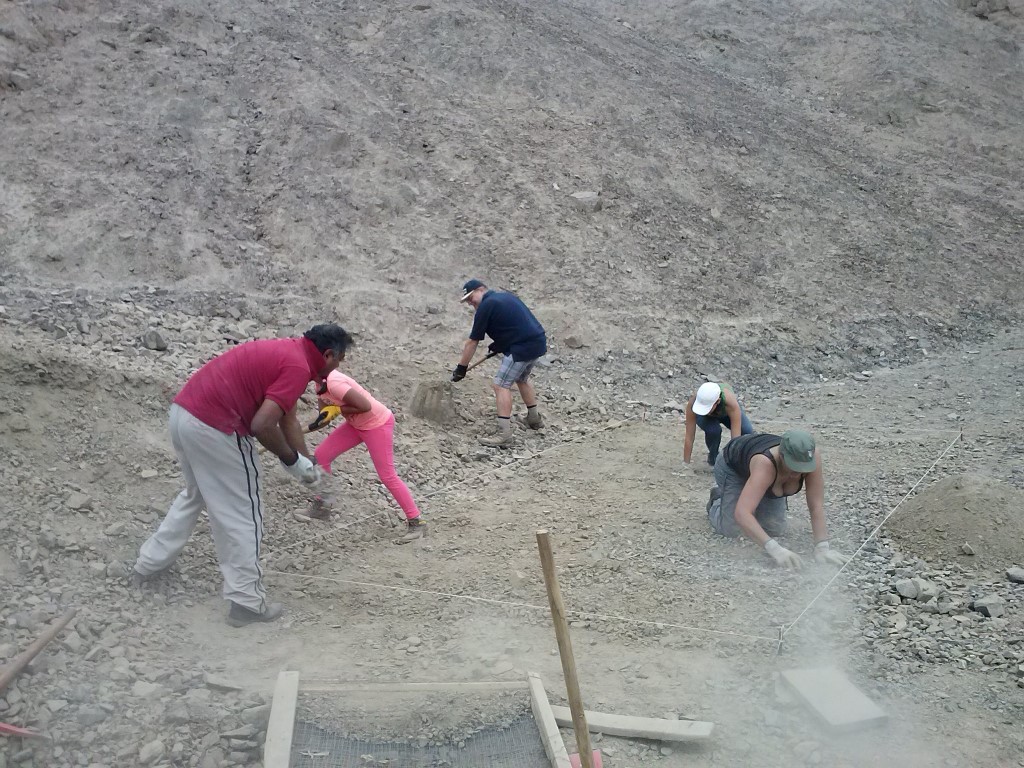
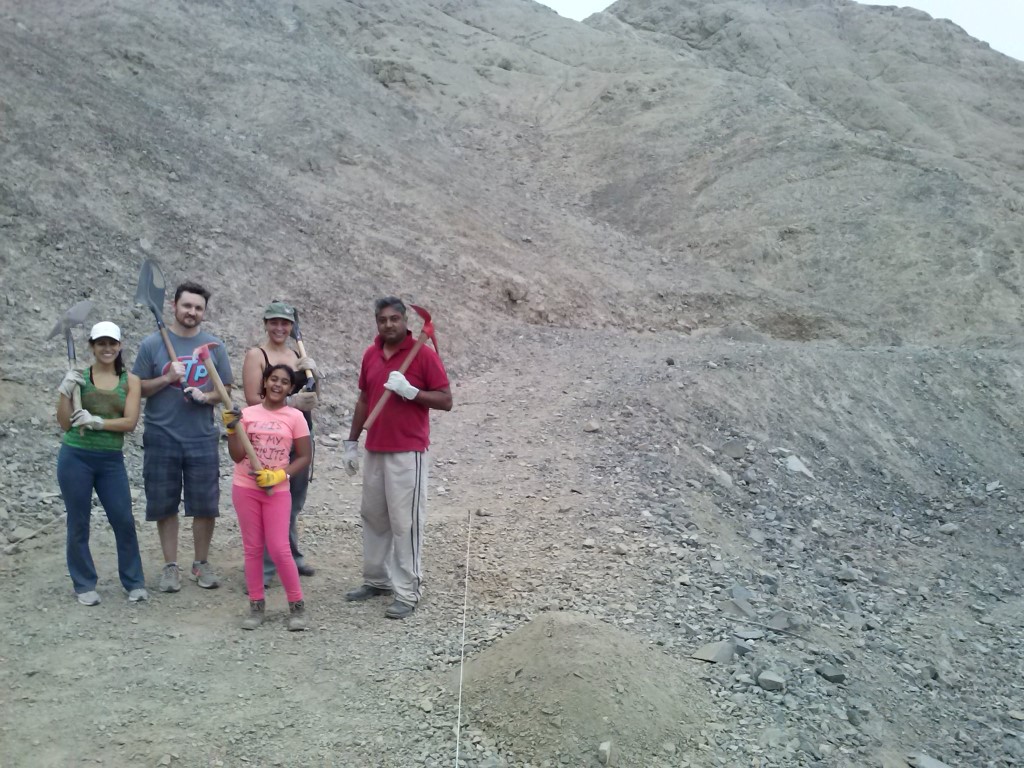
Due to the both the mountainous region and water system’s elevation requirements there was a huge amount of effort needed for us to get them in the right positions. Our Project Manager, Randy, had amazing friends come from the US to Peru to help out for a week. As the photos show, it was a lot of hard work.
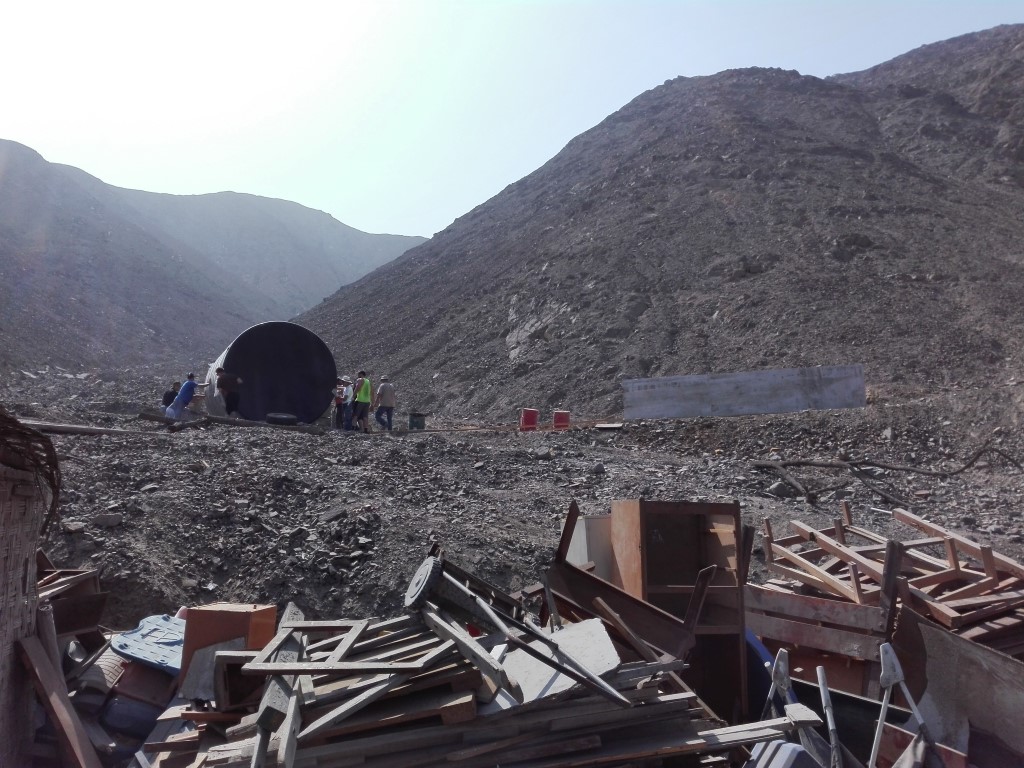
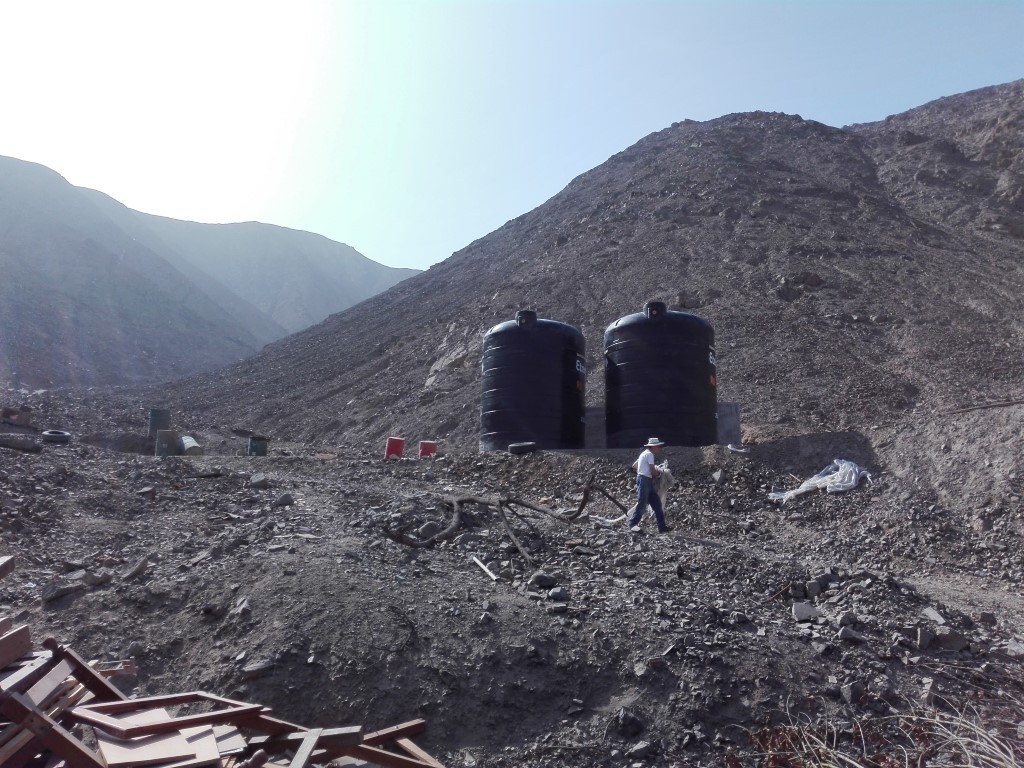
The following photos show the most difficult part, hauling a giant 10,000 liter (2641 gallon) tank up a very steep incline using a pulley system and a lot of pulling! Randy constructed a huge sled to make it a little easier but it was a lot of work.
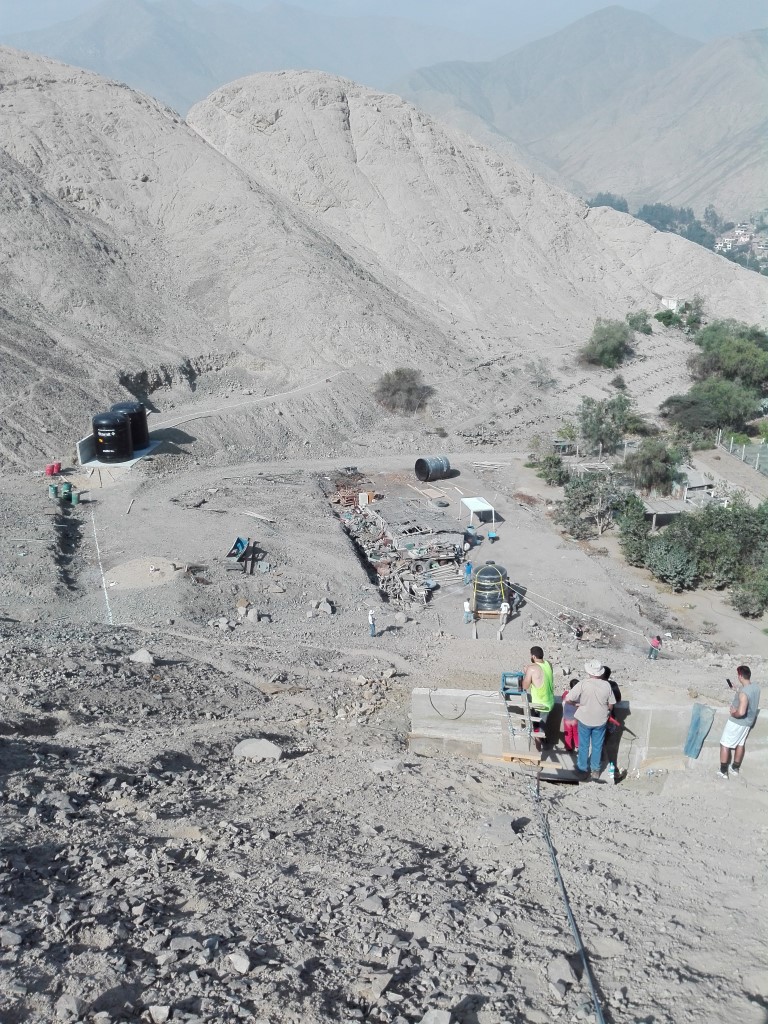
I should also mention a big thank you to all the people who have volunteered to work on this project over the years. It’s been a huge job, everything from literally using a pick to dig into solid rock (and breaking said pick!) to digging very hard, rock-filled dirt to putting in pipes, and burning in the very intense sun. We have had volunteers from all over the world including Australia, the US, Canada, Peru, Colombia, England, Holland, Germany and South Africa!
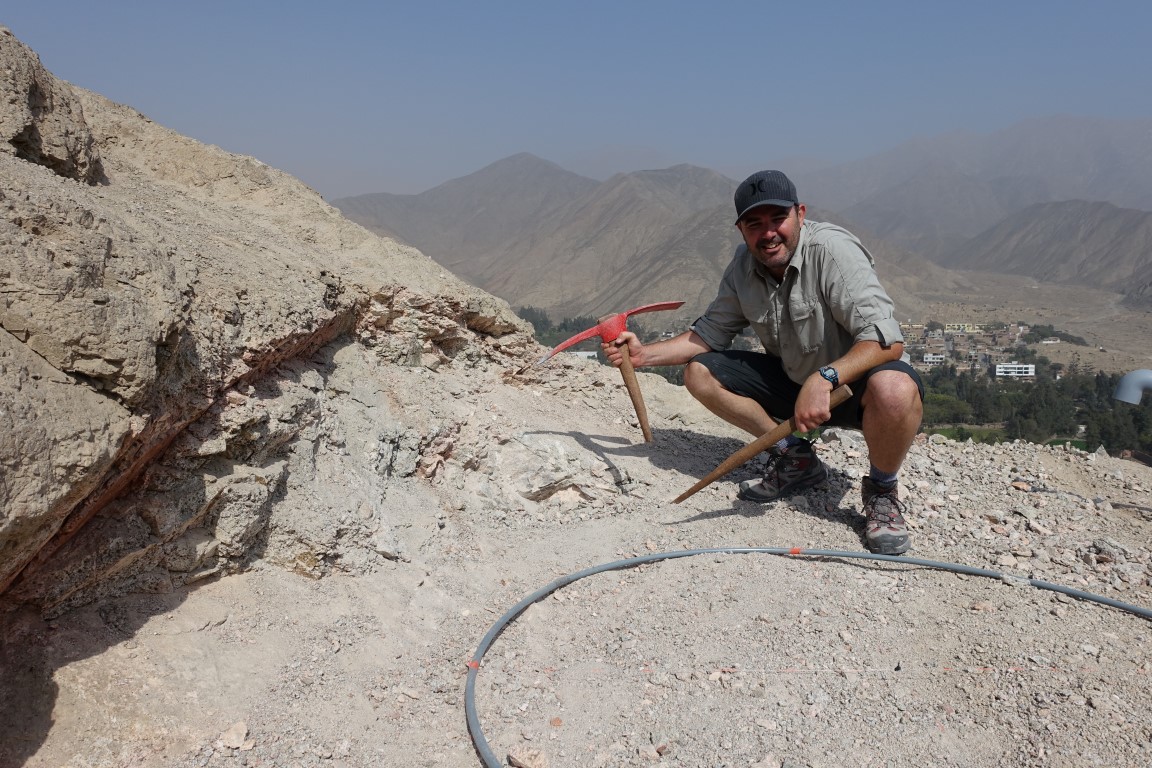
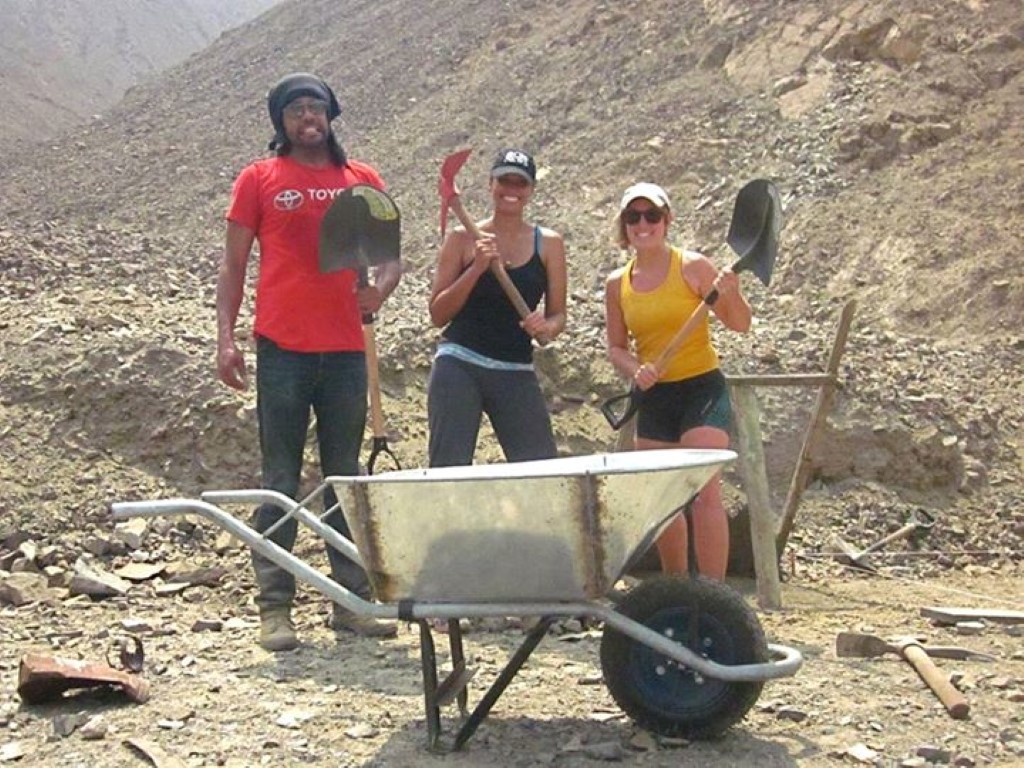
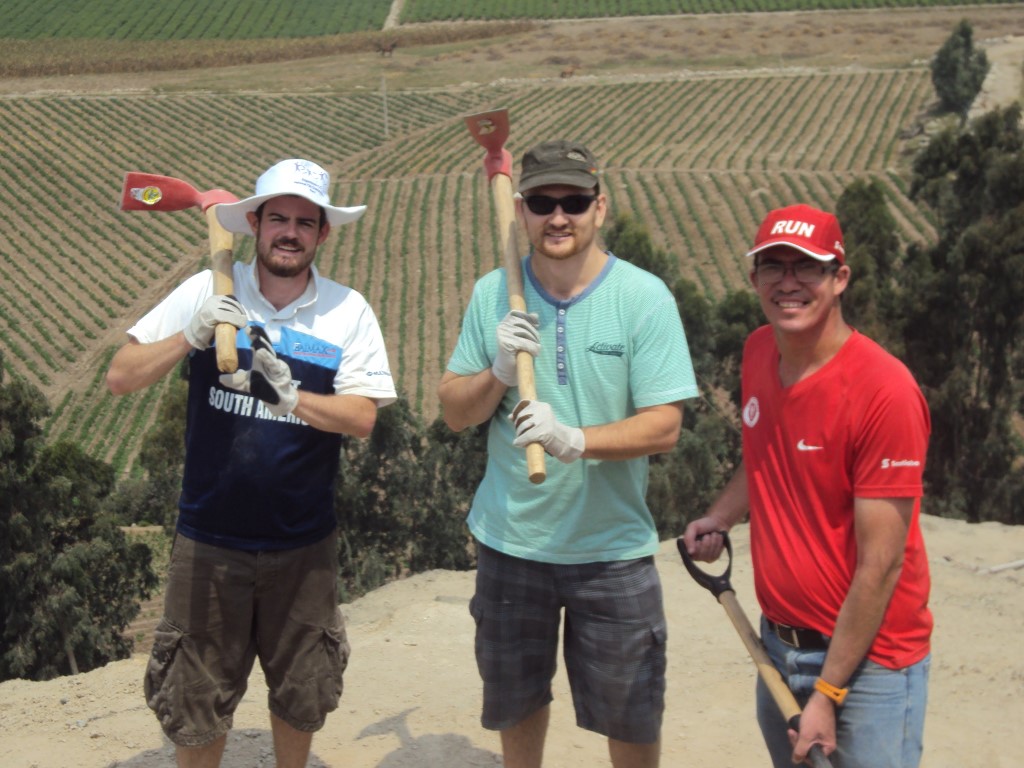
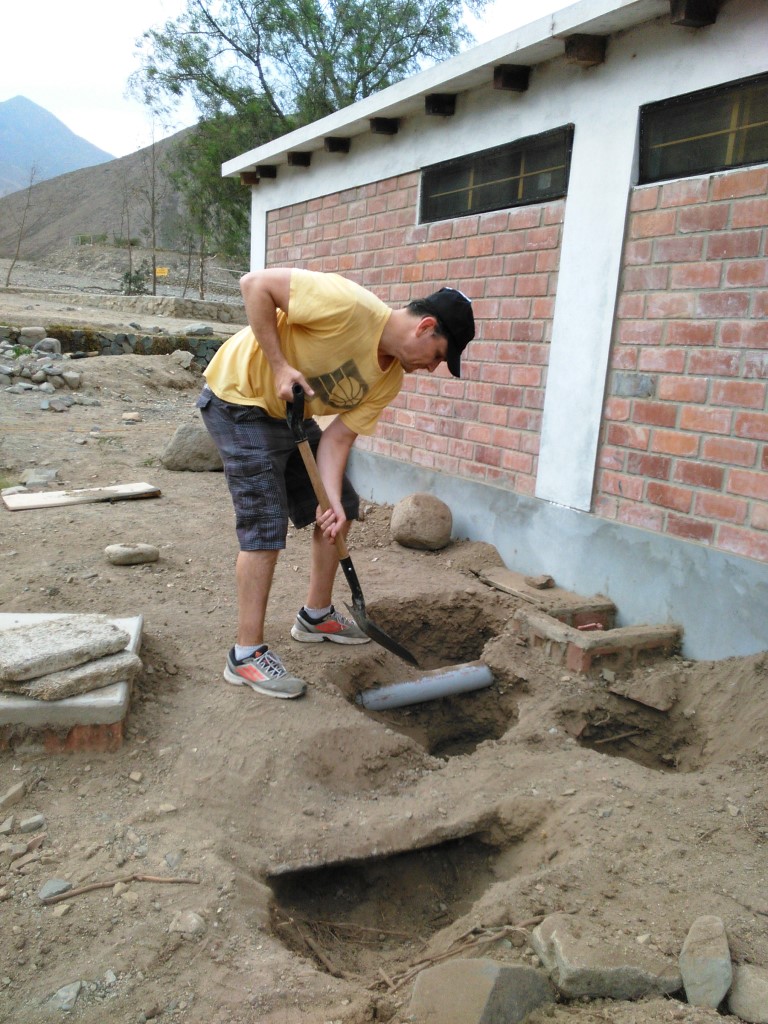

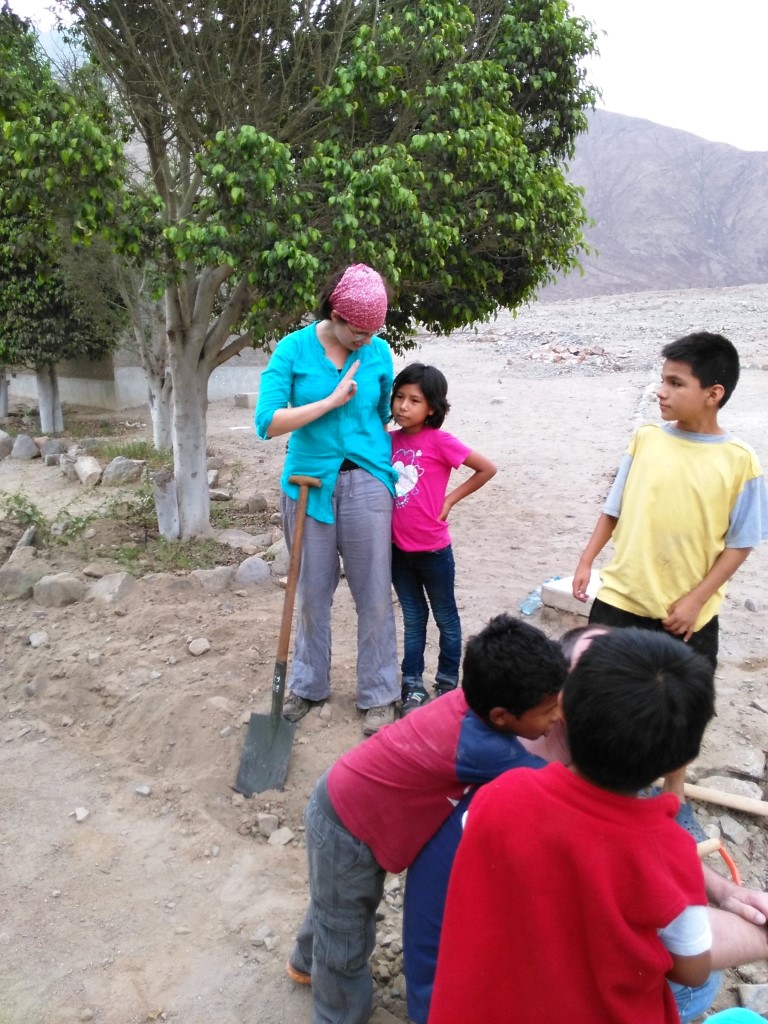
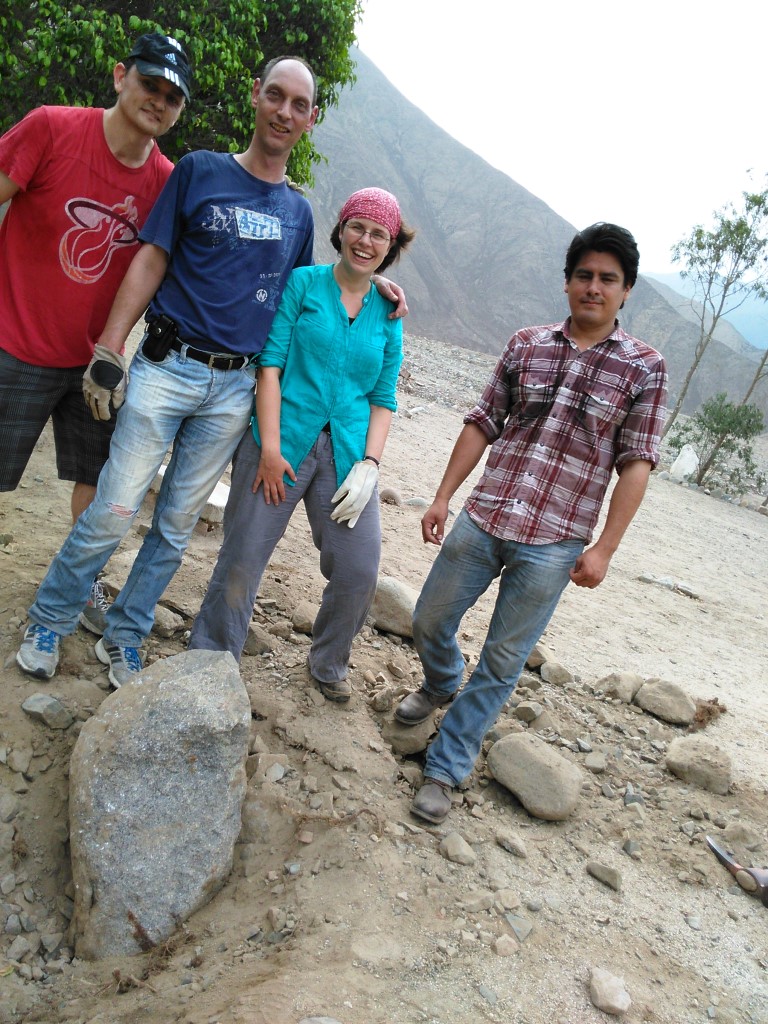
So there’s still more work to do on the water project but it’s getting a lot closer to being a reality! Read more and keep updated on our Facebook page (and like!)
Thanks!
Scott
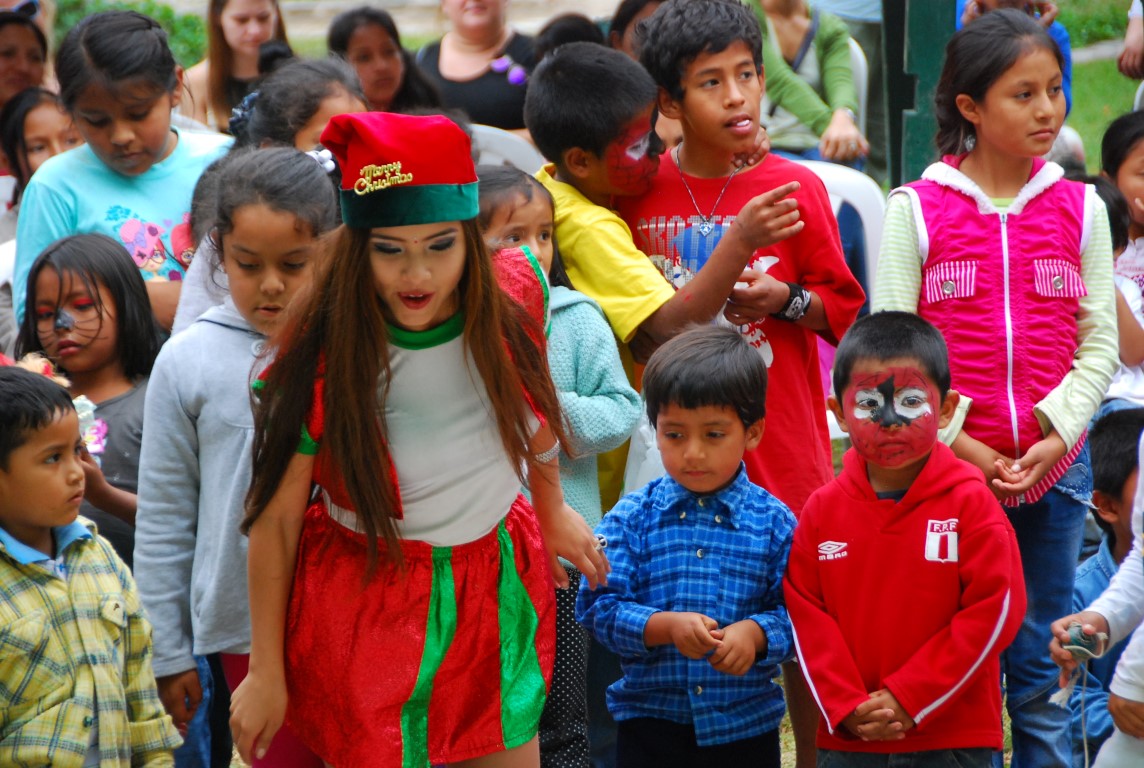
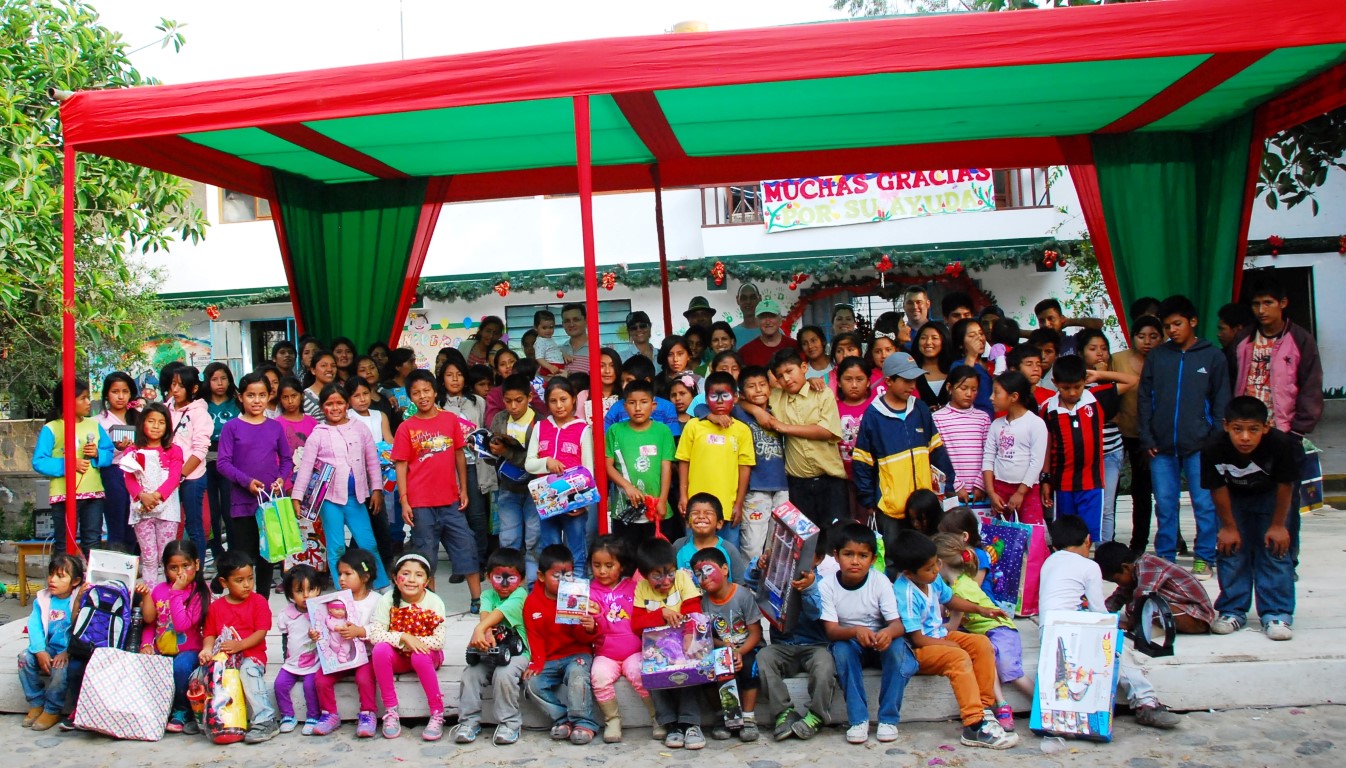
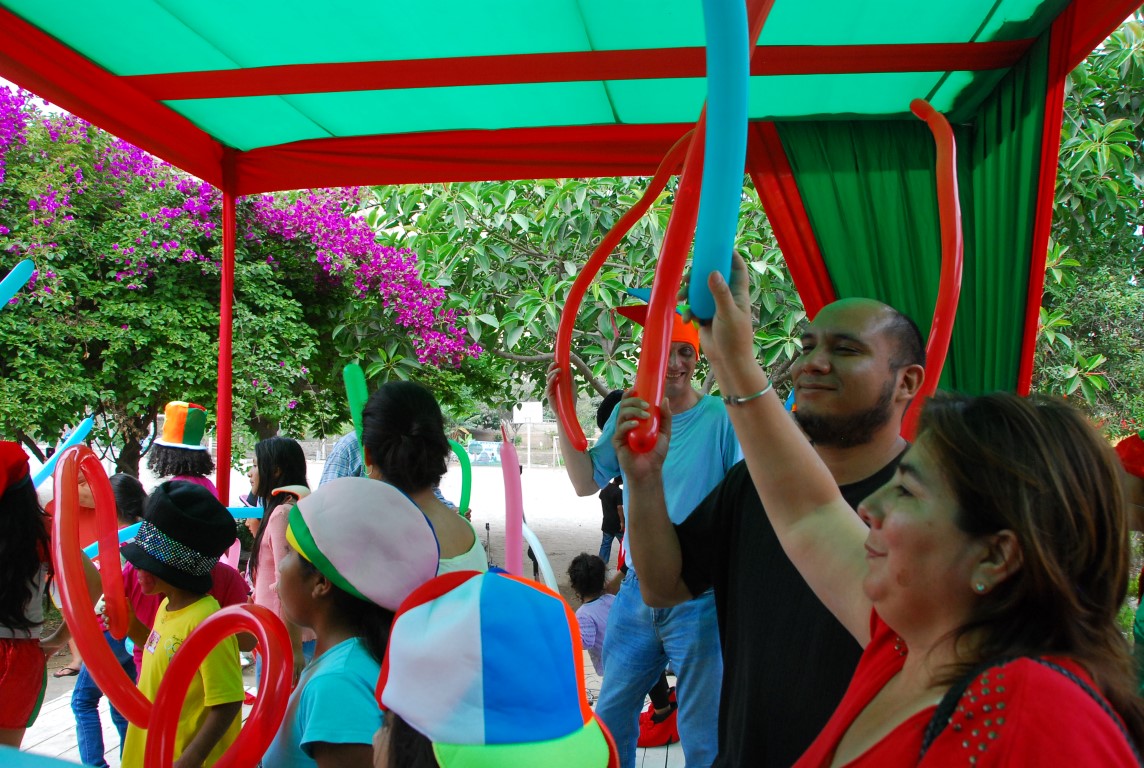
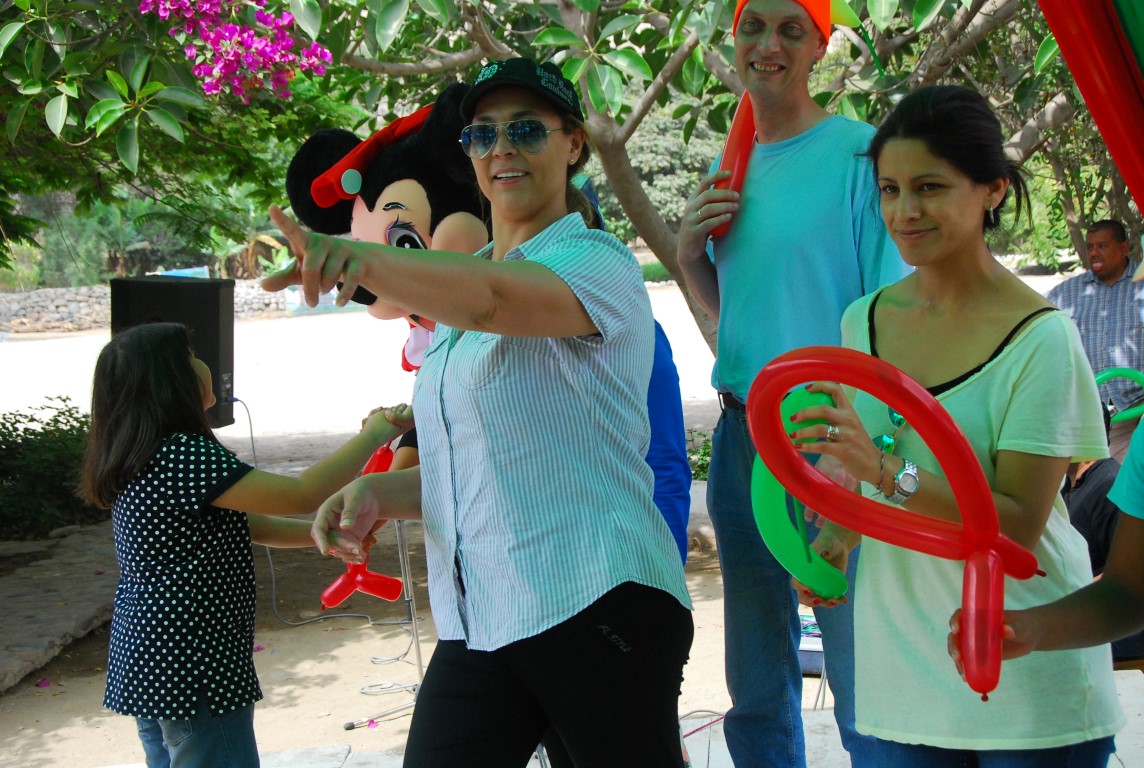
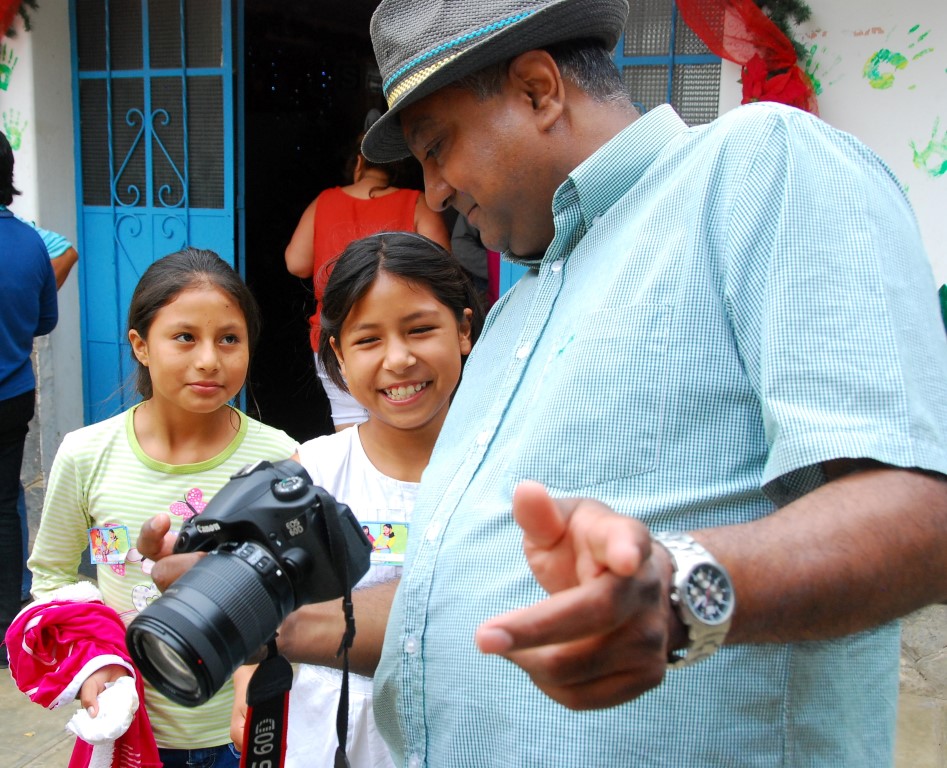
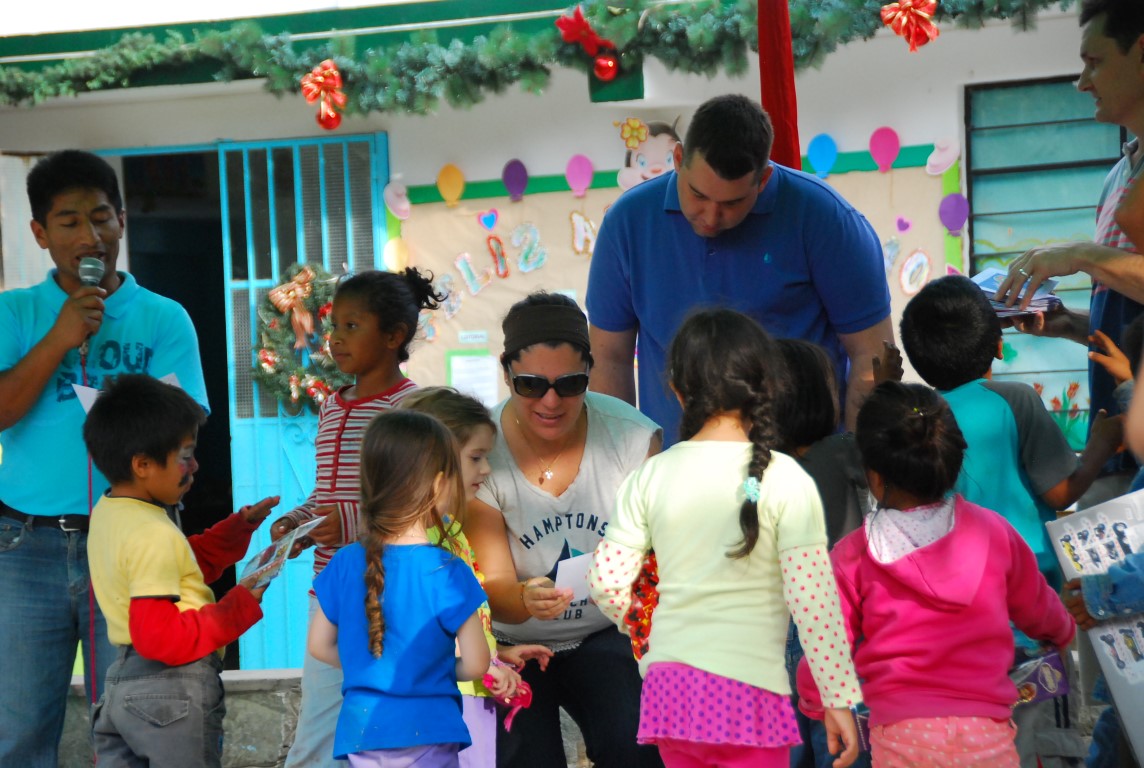
On Saturday December 17, 2016, Sonrisasenperu hosted our 7th annual Westfalia Orphanage Christmas Party. It’s a very special day to show the 120+ orphans that they are loved and cared for. They get a chance to feel like regular children and enjoy Christmas. These are the same kids who don’t have individual birthday parties, but have a ‘monthly’ party with all the kids whose birthdays fall in that month. So it was a big deal for them. A huge thanks to everybody who contributed through donations, gifts, food, or their time. It was an amazing day only made possible with help from you guys!
The Christmas party is always a lot of fun and seems to get bigger and better every year. As usual we had an amazing show with dancers, DJ, singing, dancing, games and prizes, face-painting, and Santa and helpers were handing out the gifts which the kids loved. It was such a special day for the kids that live at the remote orphanage in Cieneguilla on the outskirts of Lima, Peru.
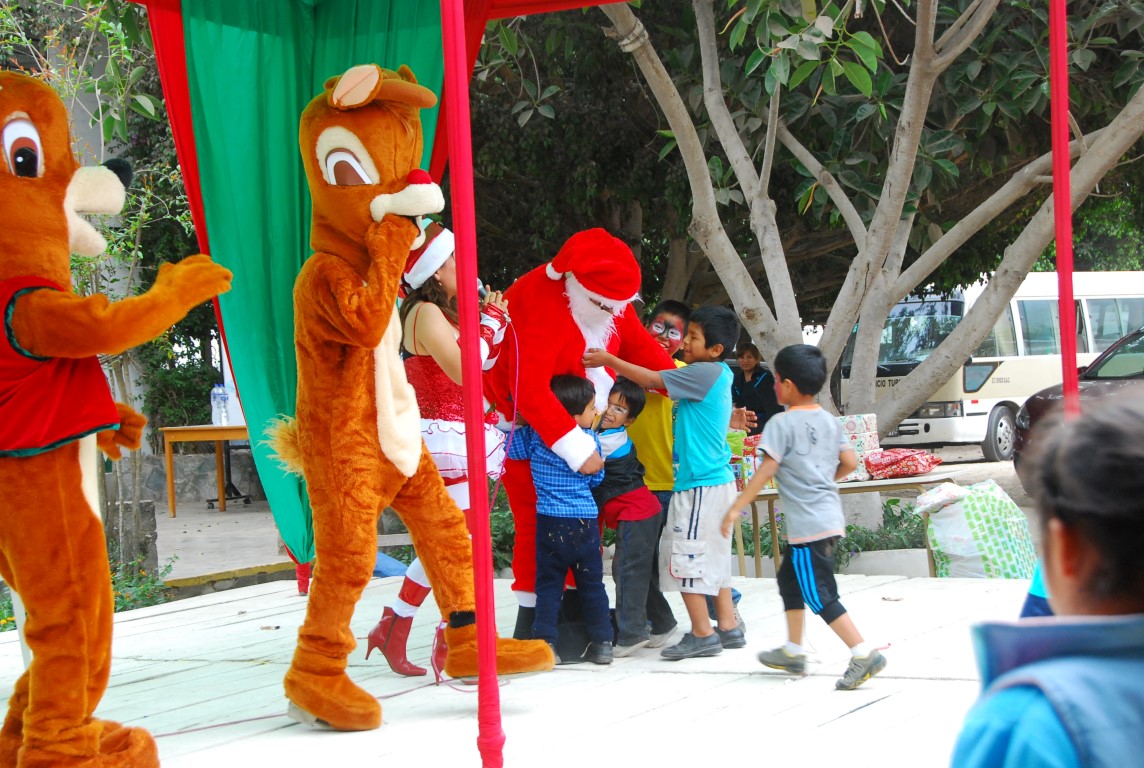
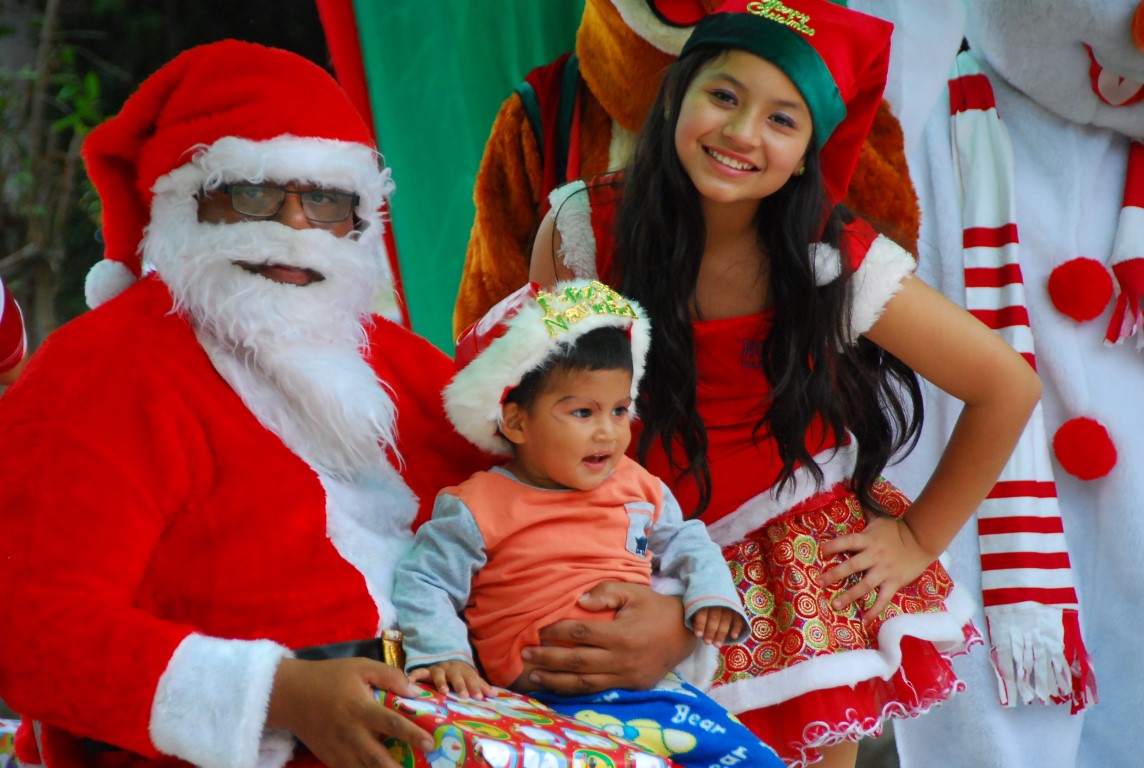

Of course we had a huge lunch. It’s extra special because the children don’t eat a lot of meat due to a lack of funds. So the event is always a lot of fun for the kids.

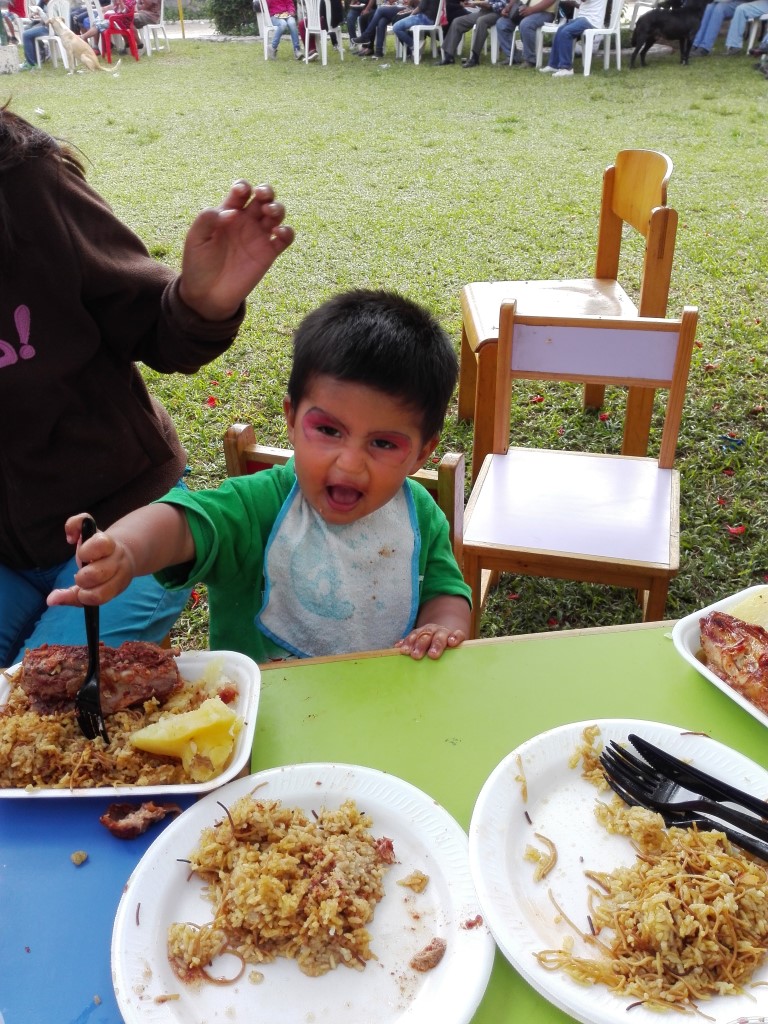


Santa and his helpers handed out the gifts and childrens’ faces said it all as they came up and collected them. These aren’t kids who have bikes, cell phones, playstations, or toys we took for granted growing up so the gifts were really special for them.
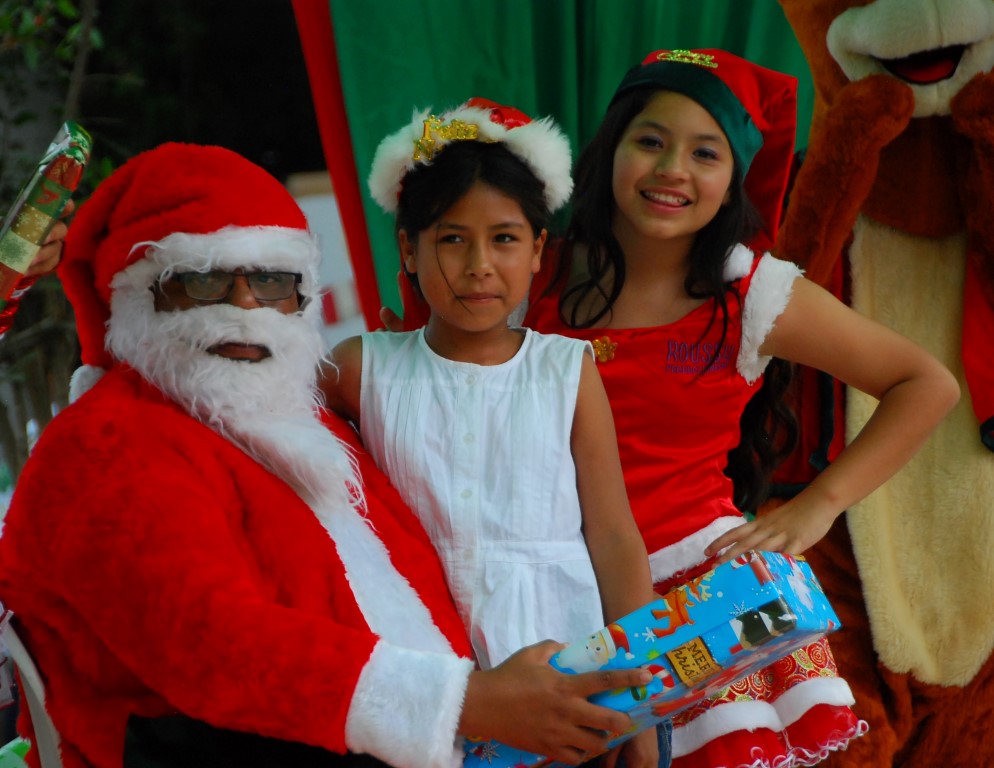
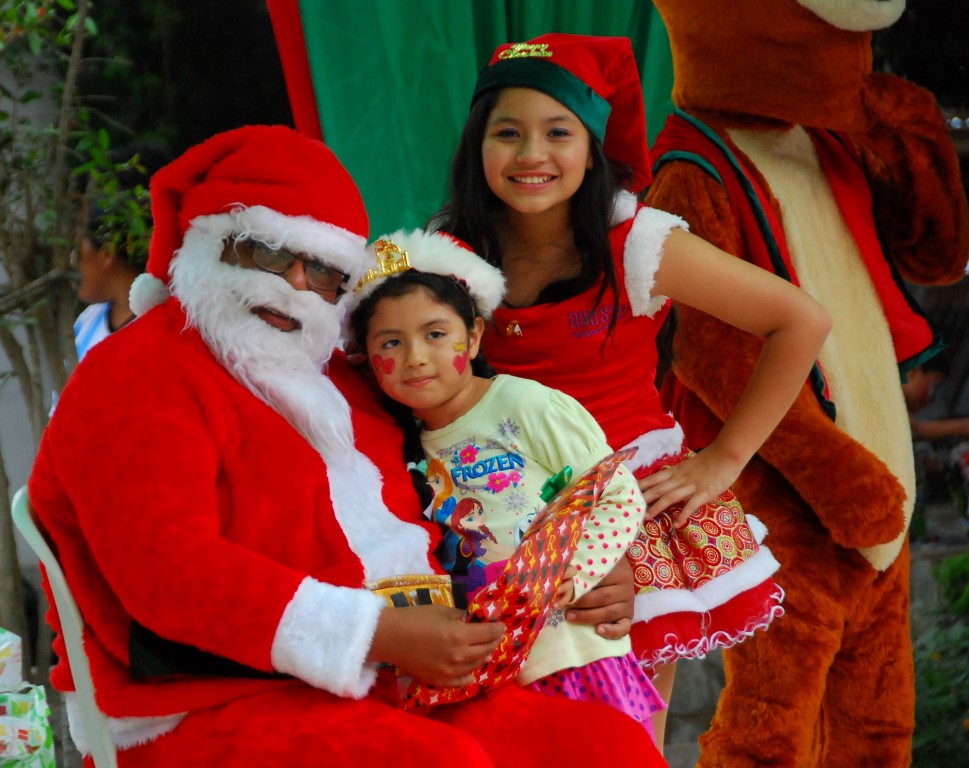

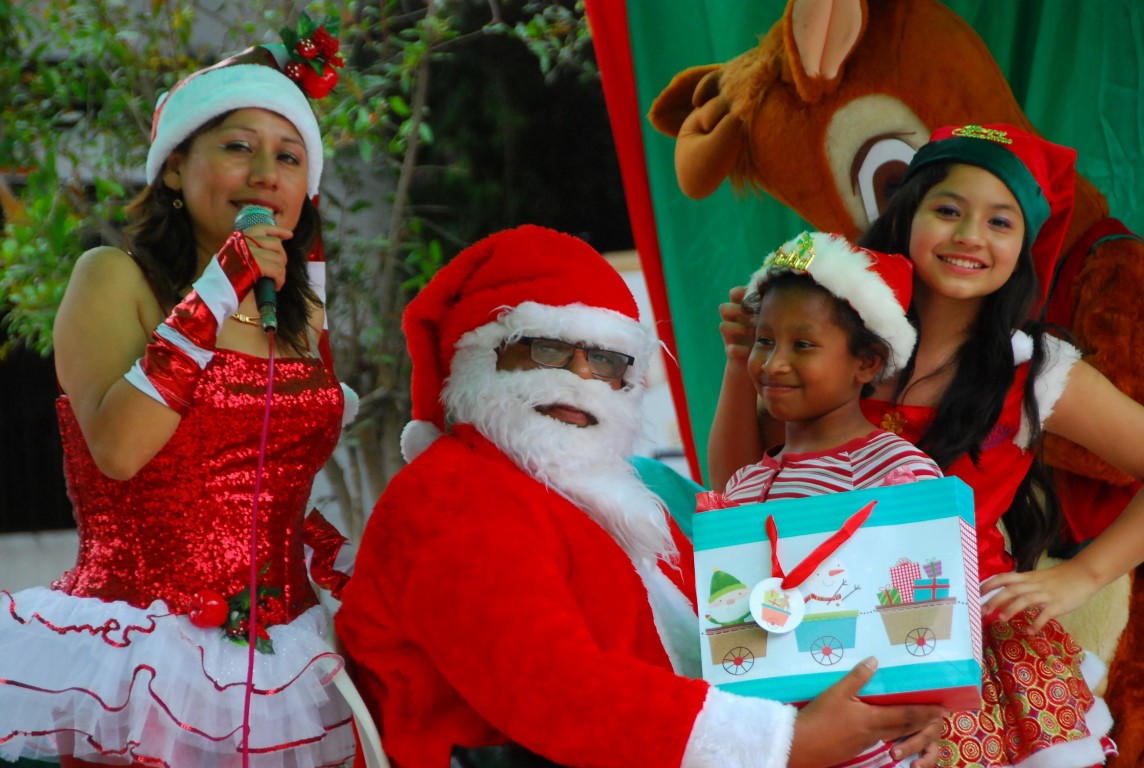
As well as those who got involved in the gift process I’d like to thank those that came out and spent time with the children. It meant a lot to them to spend such a great day with good people. A big shout out to Mahlon B for generously coming up to take some wonderful photos again this year (4th year now!).
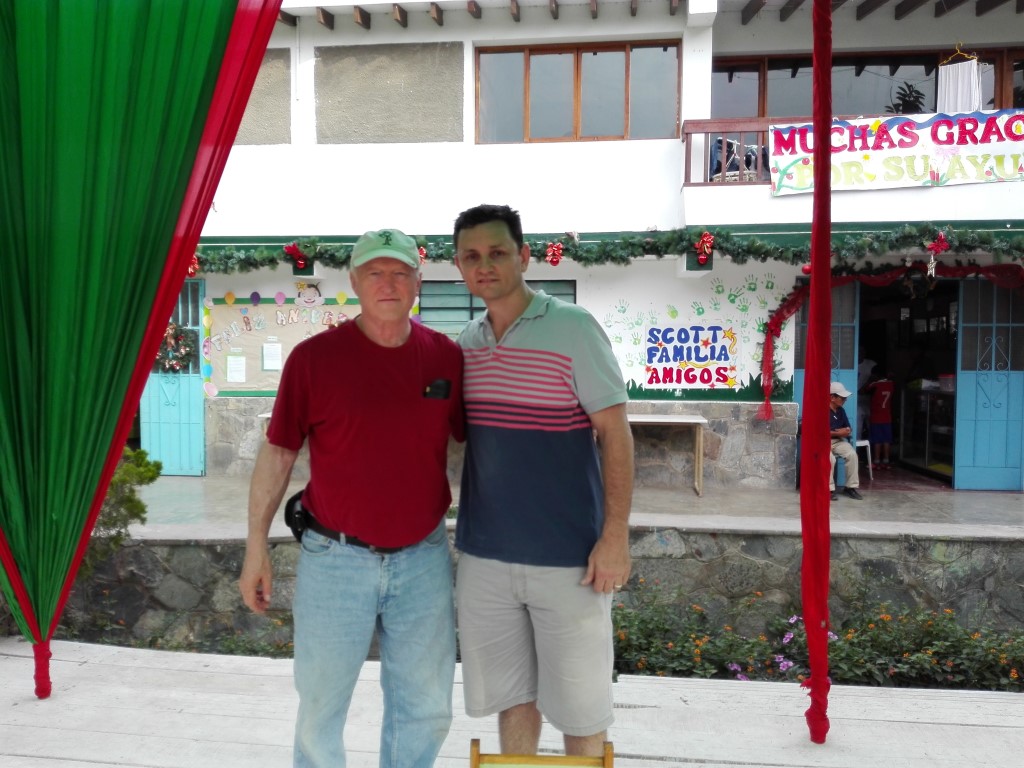
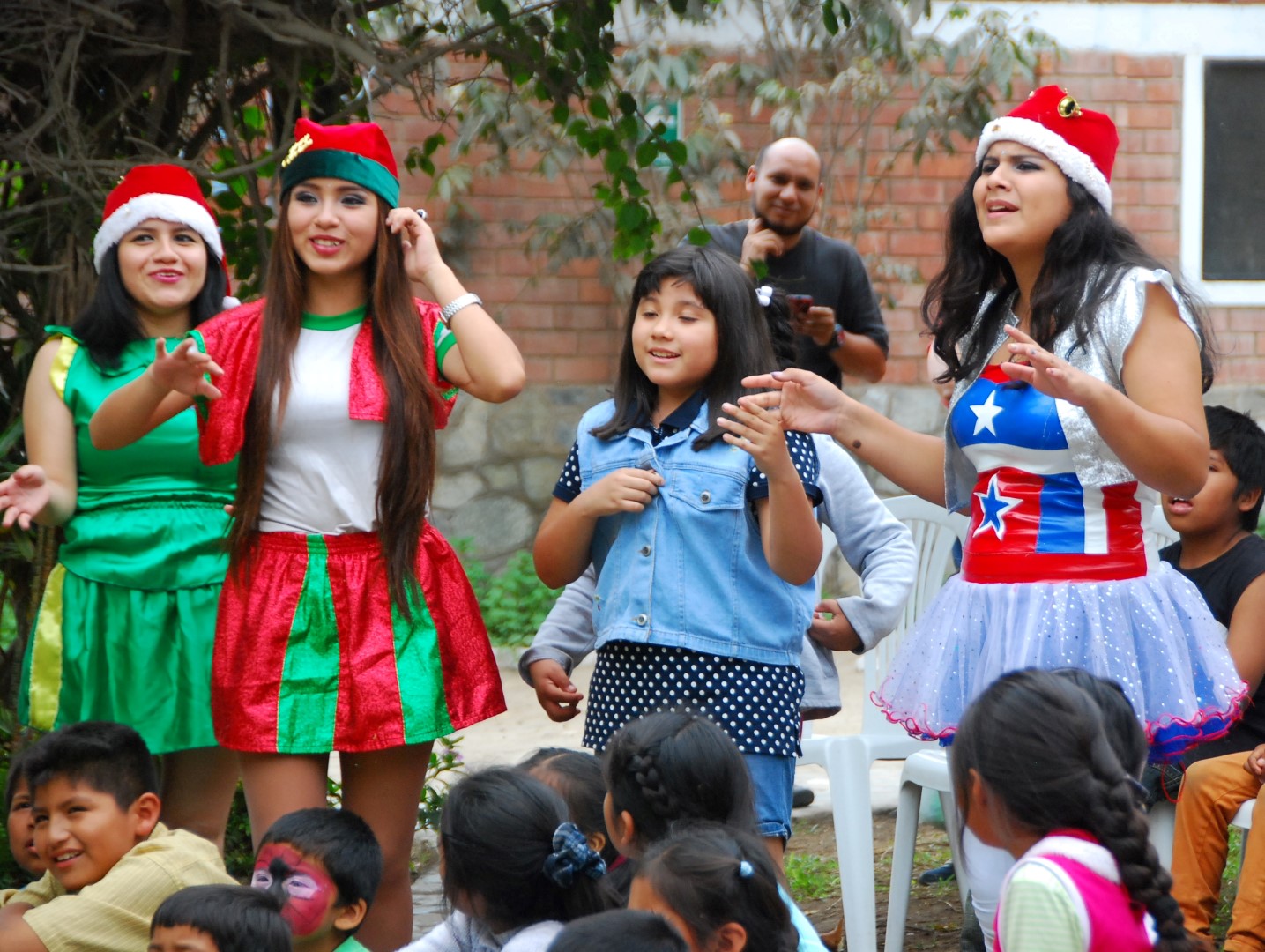
A big thank you to those who have helped us make this event so special, especially Carlo, Silvia and the team at TCI Peru. And thank you to all those who have donated funds, food, clothes, and their time over the year to these amazing children. For over 7 years now I have personally seen amazing changes in these children. They all come from terrible situations whether it be abuse, abandonment, from the streets, or simply that their families cannot afford to care for them. They come from all parts of Peru to join this big family. And they continually grow in character from shy and reserved children into loving, confident, caring, empathetic teenagers and adults. And this doesn’t occur simply from dropping off food or clothes but from constant contact and letting them know that people do care about them, and that they are worthwhile. And the children are well aware of the global help they receive and constantly ask about the people and countries that contribute. So thank you for making a difference in the lives of others, so far away.
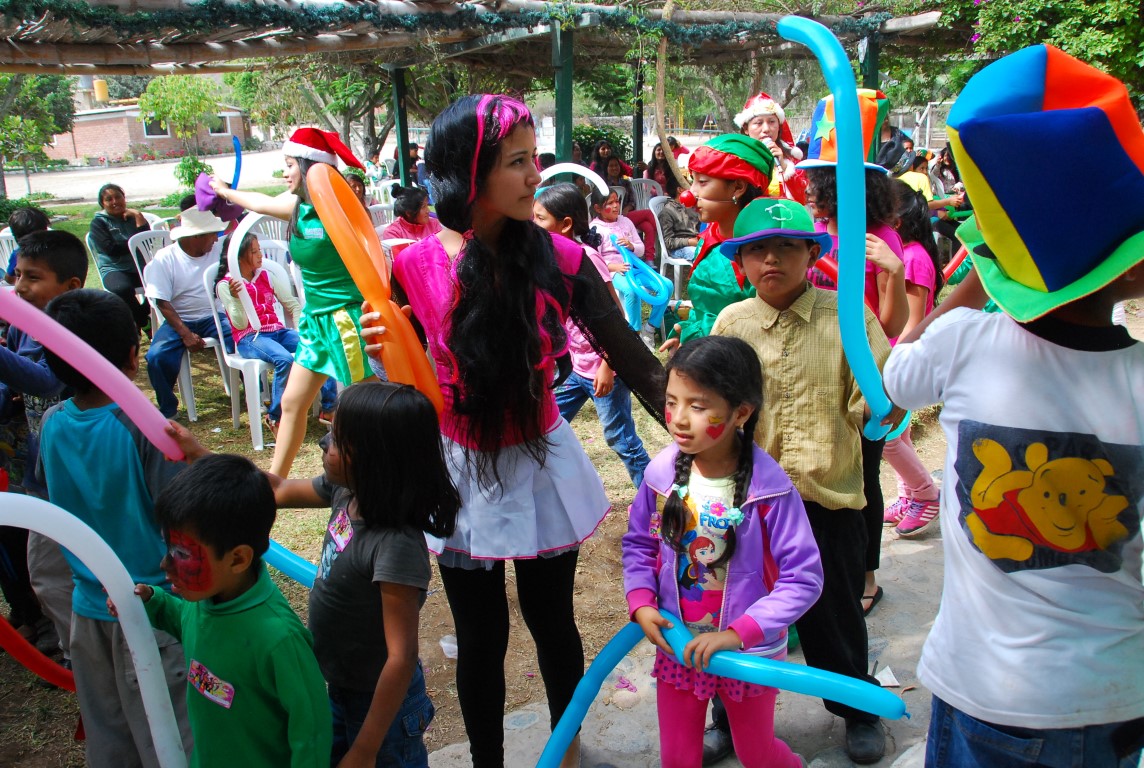
Sonrisasenperu has some very important projects coming up for 2016 including helping on a huge water project which includes building a high capacity water filter and several large water towers to run clean water to every house and building at the orphanage (currently there is only one clean water point in the kitchen). This would put a stop to the use of contaminated river water. The project includes the planting of 100 fruit trees and drip irrigation to provide a self-sustaining food source for the orphanage. We will also be assisting in the upgrade of the children’s rundown, 25 year old accommodation. And of course we will continue to provide food and clothing for the 120+ orphans at Westfalia as well as other rural children in need.
If you want to help out you can send a donation or simply spread the word by copying this post onto your facebook or twitter.
Thanks for helping to make a difference!
Please enjoy some of the photos from the Christmas party below.